2026 Top Castment Window Aluminum Profile Trends and Benefits?
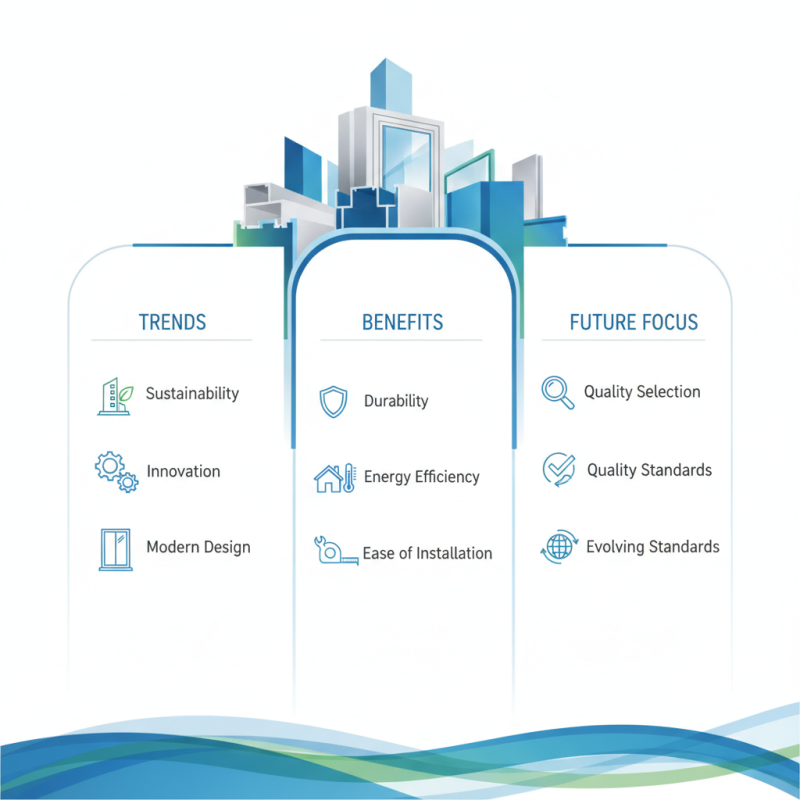
The trends in Castment Window Aluminum Profile for 2026 are noteworthy. This material is gaining attention in the construction industry for its durability and aesthetic appeal. Architects and builders are increasingly recognizing how aluminum profiles enhance energy efficiency and sustainability.
Castment Window Aluminum Profile offers a modern solution to traditional window designs. Their sleek lines complement various architectural styles. The lightweight nature of aluminum makes it easier to handle and install. However, not all manufacturers ensure quality, which can lead to performance issues. It’s crucial to choose reputable brands to avoid pitfalls in your projects.
While the advantages are clear, there also exist challenges. Market competition sometimes leads to compromises in material quality. Builders must carefully evaluate options to ensure long-lasting results. As we approach 2026, the evolution of Castment Window Aluminum Profile could redefine design standards. The focus will remain on innovation and sustainability, shaping the future of construction.
2026 Trends in Aluminum Profiles for Top Casement Windows
The year 2026 brings exciting trends for aluminum profiles in top casement windows. Manufacturers are focusing on energy efficiency, durability, and aesthetic appeal. Advanced technologies are enabling the production of slimmer frames, maximizing natural light while maintaining structural integrity. Enhanced thermal breaks in profiles significantly improve insulation, keeping homes comfortable across seasons.
Tips: Consider the energy rating of aluminum profiles. Higher ratings mean better insulation. Investigate the color options and finishes available. They can dramatically influence your home’s aesthetic. Don’t overlook the importance of installation. A well-fitted window enhances performance.
Sustainability is also becoming a key consideration. Eco-friendly materials are gaining traction in profile design. Innovations in recycling aluminum are making the manufacturing process greener. However, it's crucial to balance eco-standards with performance requirements. Some recycled options may not meet demanding specifications. Therefore, careful selection is necessary to ensure durability and efficiency.
Key Benefits of Using Aluminum Profiles in Window Design
Aluminum profiles have gained popularity in window design due to their unique advantages. These materials are lightweight yet strong, allowing for larger window designs. Their durability often results in a longer lifespan compared to traditional materials. This makes them an attractive option for homeowners and builders alike.
Additionally, aluminum profiles offer excellent thermal efficiency. They can be designed with thermal breaks, reducing energy loss. This energy efficiency translates into lower utility bills over time. The variety of colors and finishes available makes it easy to integrate aluminum windows into different architectural styles.
However, it’s essential to consider the potential downsides. Aluminum can conduct heat, which may lead to condensation issues in some climates. Proper installation and insulation are crucial to mitigate these concerns. Designers should carefully evaluate the environmental impact and recycling options of aluminum to ensure sustainability.
Sustainability Practices in Aluminum Profile Manufacturing
Sustainability is becoming crucial in aluminum profile manufacturing. The industry faces pressures to minimize its environmental footprint. Using recycled materials is one effective strategy. This reduces energy consumption and resource depletion.
Tips: Seek suppliers who prioritize recycled aluminum. This choice supports eco-friendly practices and promotes a circular economy.
Adopting energy-efficient processes is another significant trend. Manufacturers are investing in technology that lowers emissions and energy use. Some facilities have implemented solar energy systems. These innovations can be costly but yield long-term benefits.
Tips: Evaluate energy sources for your projects. Opting for suppliers using renewable energy can support sustainability goals.
Water usage is also a concern. Efficient water management techniques can minimize waste. Some companies are now reusing water in their production cycles. This reduces overall consumption and lowers operational costs.
Tips: Inquire about water conservation practices with your suppliers. Understanding their approach can enhance your project's sustainability profile.
Innovative Designs and Features for Top Casement Windows
Innovative designs for top casement windows are shaping the industry in 2026. These windows now feature sleek lines and modern profiles that enhance both aesthetics and functionality. The trend is shifting towards slender frames, maximizing natural light while providing excellent thermal insulation. This balance of beauty and performance is crucial for modern architecture.
Additionally, contemporary casement windows often incorporate advanced operating mechanisms for ease of use. New hinges allow for smooth opening and closing, ensuring effortless ventilation. Some designs even offer enhanced security features, providing peace of mind to homeowners. However, not every innovation is perfect.
While these enhancements cater to consumer demands, some may find them complicated to operate. There can also be issues with durability under extreme weather conditions. Thus, while embracing innovation, it's vital for manufacturers to consider these potential drawbacks. Attention to quality control will be essential to address these concerns effectively.
2026 Top Casement Window Aluminum Profile Trends
Comparative Analysis: Aluminum Profiles vs. Other Materials
When comparing aluminum profiles to other materials, several factors come into play. Aluminum profiles stand out due to their light weight and strength. This combination allows for easier handling and installation. Unlike wood, aluminum does not warp or require frequent maintenance. This durability can save homeowners time and money in the long run.
On the other hand, other materials may offer aesthetic advantages. For instance, wood provides a classic look that many find appealing. However, wood is susceptible to pests and decay. Vinyl, while affordable, does not have the same energy efficiency as aluminum. Each material brings its own challenges and benefits.
Notably, aluminum’s recyclability adds another layer of value. This makes it a more sustainable choice compared to plastic-based materials. However, some may perceive aluminum as cold or less inviting. It's essential to weigh these factors when choosing the right material for window profiles. A balance between functionality and design is key.