2026 Best Ball End Mill Options for Precision Machining?
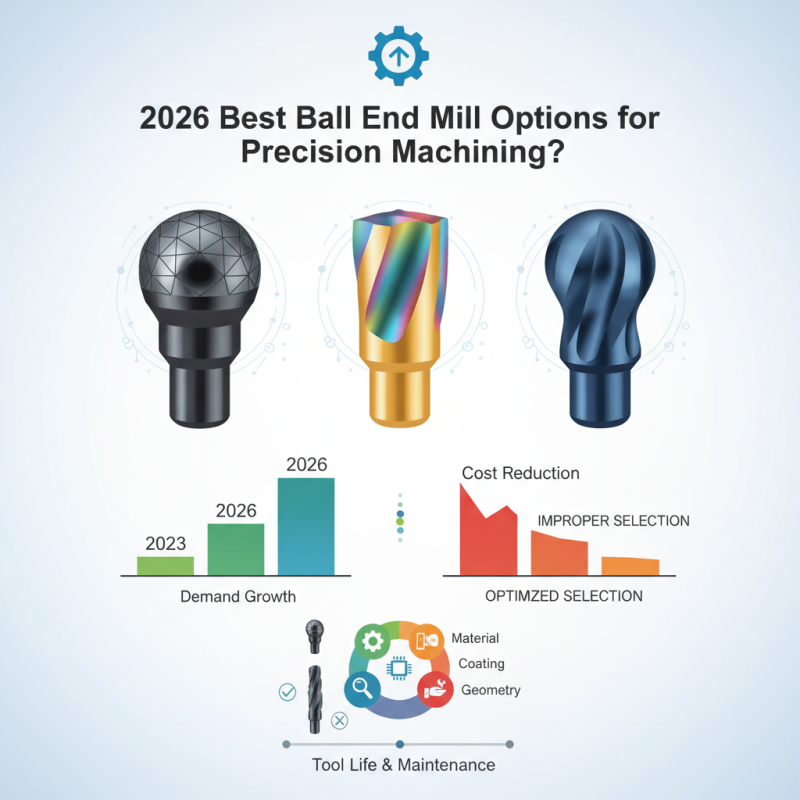
In the realm of precision machining, choosing the right tools is critical. The Ball End Mill stands out as a versatile option for manufacturers. According to a recent report by the Freedonia Group, the demand for end mills, including Ball End Mills, is expected to grow by 4.5% annually through 2026. This trend showcases their importance in producing intricate designs and maintaining high tolerances.
However, not all Ball End Mills are created equal. Factors such as material, coating, and geometry play significant roles in their performance. It’s essential to consider these aspects seriously. A study indicates that improper tool selection can lead to a 30% increase in production costs. Manufacturers often overlook this, resulting in inefficiencies.
Despite the advancements in end mill technology, challenges persist. For instance, wear and tear can impact tool life and precision. Regular maintenance and periodic assessments are vital. The best options for Ball End Mills can significantly improve machining processes and overall productivity. Choosing wisely can lead to enhanced outcomes, yet the industry still has room for growth and improvement.
Overview of Best Ball End Mills for Precision Machining
When selecting the best ball end mills for precision machining, various factors come into play. Material choice remains crucial. High-speed steel and carbide are popular options. They offer different levels of hardness and durability. The correct choice depends on the application and the materials being machined. Additionally, coating options can enhance performance. Coated mills resist wear better, but they can also be more expensive.
Understanding geometry is essential. The flute design affects chip removal and surface finish. A good end mill should efficiently remove chips while also providing a smooth finish. However, not all designs work equally well for every project. Standard options may not meet specific needs, leading to trial and error. Some manufacturers offer custom solutions, but these may involve longer lead times and higher costs.
It's also vital to consider the machining environment. Coolant usage can impact tool life and surface finish. Some operators overlook this aspect, leading to suboptimal results. The balance between speed and feed rates is delicate. Too fast can cause vibration, while too slow might produce poor quality. Striking the right balance requires experience and adaptation. Even seasoned machinists can find it challenging to consistently achieve the desired results.
Key Features to Consider When Choosing Ball End Mills
When selecting ball end mills for precision machining, several key features come into play. The diameter of the ball end mill significantly influences the cut quality. A smaller diameter can create finer details, while larger diameters are better for broader cuts. Similarly, the flute design impacts chip removal and overall efficiency. More flutes can enhance smoothness but may reduce chip clearance.
Tips: Always consider the material you are machining. Softer materials may not require as robust a tool as harder metals. Research the specifics for better performance.
Coating is another important aspect to keep in mind. Coated tools usually offer increased longevity and better friction management. Look for various coatings that suit your application. It’s not uncommon to deal with wear, especially in high-speed applications.
Tips: Inspect your tools regularly for wear patterns. Not all wear is easy to see, but it can affect precision. Adjust your feed rate based on the material type to maintain quality.
Top Brands and Models of Ball End Mills in 2026
In 2026, the market for ball end mills continues to thrive, offering numerous options for precision machining. Machine operators face the challenge of selecting the best tools. Several key models stand out this year. The intricacy of designs and materials can dramatically impact performance and longevity.
When choosing a ball end mill, consider the coating. Different coatings can enhance durability. A tool without proper coating may wear out quickly. Pay attention to the size and geometry as well. Selecting the right diameter is crucial for achieving desired finishes. A too-small cutter might not reach all areas, leading to uneven results.
**Tip:** Ensure to balance cost and quality. Sometimes, a higher-priced tool delivers better value over time.
The manufacturer's reputation is important but not everything. Even well-known brands can have inconsistencies. Always read reviews and user experiences. They provide insight that specifications might not cover. Don’t hesitate to experiment with new models. Sometimes, a lesser-known option can surprise you with exceptional performance.
**Tip:** Keep an eye on new developments. Technology in tooling evolves quickly. Innovations can enhance your machining process dramatically.
Comparative Analysis of Ball End Mills for Different Materials
When selecting ball end mills for precision machining, material compatibility is crucial. Different materials pose unique challenges and requirements. For instance, milling aluminum requires tools with sharp edges and a specific coating to prevent galling. Stainless steel, on the other hand, demands more robust tools to withstand heat and wear. Each material influences the choice of end mill geometry and coating.
Moreover, the operating conditions play a significant role. Dry machining of harder materials may produce excessive heat. This could lead to tool failure if not managed properly. Using coolant may help, but it complicates the setup. The balance between performance and longevity remains a constant consideration. Choosing the right end mill for a particular task isn't always straightforward. A trial-and-error approach may sometimes yield better insights than theoretical planning.
Tool maintenance and proper setup are often overlooked factors. Even the finest end mills can underperform if not maintained. Inspecting tools regularly for wear can save time and costs. Understanding the specific demands of each machining job is essential for optimal results and efficiency. Challenges exist, but careful analysis can lead to better choices and improved outcomes in precision machining.
Tips for Maintaining and Maximizing the Life of Ball End Mills
Maintaining ball end mills is crucial for achieving precision in machining. Proper care can significantly extend their lifespan. Ensure the tools are clean after each use. Debris and residue can lead to premature wear. Regularly check for any signs of damage or dulling. This can help prevent larger issues later.
Coolant management is essential during machining. Using the right coolant prevents overheating. High temperatures can alter the tool's properties. Always use the appropriate feed rate and cutting speed. This reduces the risk of tool breakage. Listen to the machine's sounds; unusual noises can indicate trouble.
Furthermore, storage matters. Keep ball end mills in a dry, organized area. Using protective cases can prevent accidental damage. After some time, re-evaluate the tools. If they're frequently underperforming, it might be time to adjust your approach. Reflect on your machining practices regularly. Not every tool will fit every job.
2026 Best Ball End Mill Options for Precision Machining - Tips for Maintaining and Maximizing the Life of Ball End Mills
| End Mill Type | Diameter (mm) | Material | Coating | Usage Tips | Estimated Lifespan (hours) |
| Ball End Mill | 6 | High-Speed Steel | TiN | Coolant recommended, adjust feed rate | 40 |
| Ball End Mill | 10 | Carbide | TiAlN | Maintain RPM, use quality lubricants | 60 |
| Ball End Mill | 12 | Cobalt | ZrN | Optimize tool path, avoid excessive pressure | 50 |
| Ball End Mill | 16 | Carbide | TiN | Regular inspection, keep clean | 70 |
| Ball End Mill | 20 | High-Speed Steel | TiAlN | Avoid thermal shock, use water-based coolant | 80 |