What is an Audio Intercom System and How Does It Work?
An Audio Intercom System serves as an essential communication tool in various settings, such as residential buildings, offices, and schools. According to industry reports, the global intercom system market was valued at approximately $1.3 billion in 2021 and is projected to grow significantly in the coming years. This growth highlights the increasing demand for reliable communication systems in both security and convenience.
These systems allow users to communicate directly without the need for mobile phones. The simplicity of using an Audio Intercom System is one reason for its popularity. Users can easily connect and respond in real time, enhancing security and ensuring seamless interactions. Yet, some may overlook the potential for technical issues, such as clarity of sound or connectivity. Reflection on user experience reveals that effective maintenance is critical for optimal performance.
Moreover, while Audio Intercom Systems can increase safety, their installation may pose challenges. Factors such as compatibility with existing infrastructure and user training must be carefully considered. This nuanced understanding of the technology is critical for leveraging its advantages while anticipating potential drawbacks.
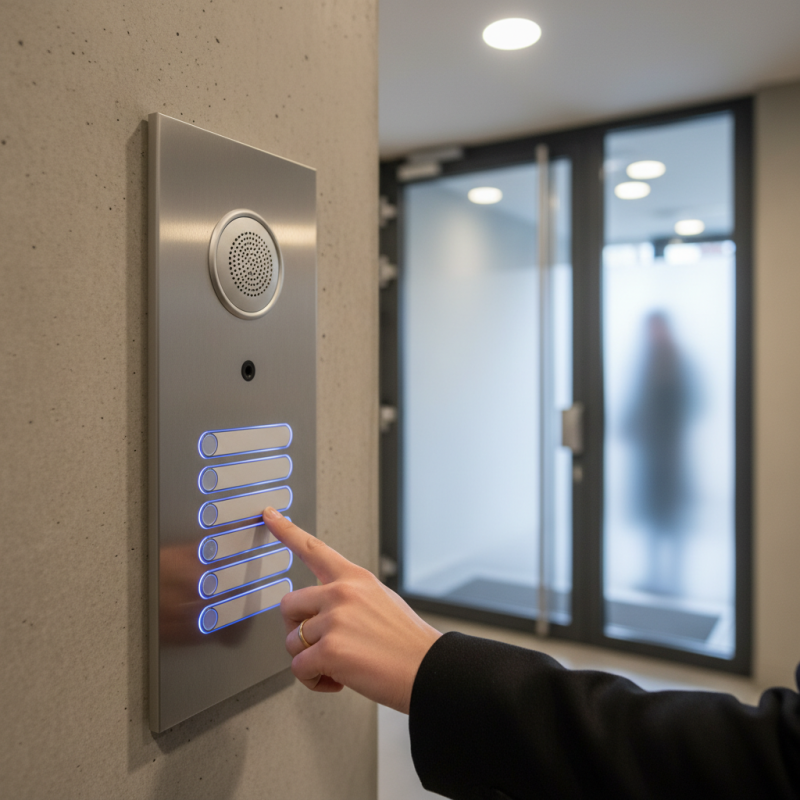
What is an Audio Intercom System?
An audio intercom system is a communication device that enables voice interaction between two or more locations. Often found in homes, businesses, and apartment complexes, these systems help facilitate simple conversations without the need for a telephone. The primary function is to allow occupants to communicate efficiently with one another, especially in large buildings.
The system typically consists of a main station and multiple sub-stations. The main unit connects to the power source and has a speaker and microphone. Sub-stations, placed in various rooms or areas, also have similar components. When a user speaks into one unit, their voice travels over wired or wireless connections to the other units. This seamless interaction can be convenient, but it lacks the clarity of modern digital devices.
While audio intercoms serve their purpose well, they may feel outdated compared to advanced technology. Limited features, such as the absence of video capabilities, can be a drawback. Additionally, installation often requires rewiring in buildings, which can be time-consuming. Understanding these weaknesses is vital when considering a communication system for your space.
Key Components of an Audio Intercom System
An audio intercom system is a vital communication tool, enhancing connectivity in various settings. The key components include stations, wiring, and power supply. Typically, each intercom station features a microphone and speaker for two-way communication. The simplicity of design aids in seamless communication between rooms or locations.
Wiring is crucial. It forms the backbone of an audio intercom system. Data from a recent industry report indicates that systems using low-voltage wiring significantly reduce installation costs while enhancing sound clarity. Different configurations exist, such as wired and wireless options. Wired systems often offer reliability in sound transmission, while wireless systems provide flexibility. Think about your specific needs before deciding.
Remember, proper installation makes a difference. Ensure the stations are within a reasonable distance to the main power supply. Regular maintenance helps sustain audio quality. If the intercom begins to crackle, it might signal wear in the wiring or components. Document any issues for later reference. Identifying these problems early can prevent more significant failures later.
Audio Intercom System Usage Statistics
This chart illustrates the estimated number of audio intercom systems in various sectors, highlighting their prevalence in residential and commercial applications compared to others like education and healthcare.
How Audio Intercom Systems Function
Audio intercom systems are vital for communication in homes and workplaces. They allow people to talk and listen easily across different rooms or even buildings. These systems typically consist of two main units: a microphone and a speaker. When one user speaks into the microphone, the sound is transmitted to the other unit, enabling clear audio communication. The technology behind this process relies on wired or wireless connections that convert sound waves into electrical signals.
Tips for effective use: Make sure to position the microphones properly. Placing them away from noisy appliances can enhance audio clarity. Regular maintenance is essential. Check connections and conduct tests to ensure functionality. If audio quality is lacking, consider adjusting the volume levels or upgrading components.
Audio intercoms can simplify communication, but they have limitations. Interference can occur, especially in wireless systems. Users may also experience delays, making conversations feel unnatural. It's important to address these issues proactively and seek advice from professionals when needed. Regularly updating the system can keep it in top working condition.
Benefits of Using Audio Intercom Systems
Audio intercom systems offer various benefits, enhancing communication in homes and businesses. One primary advantage is improved security. According to industry reports, 70% of businesses that implement intercom systems notice a significant drop in unauthorized entries. This reduction highlights the system’s effectiveness in facilitating secure access control.
Another benefit lies in convenience. Audio intercoms allow users to communicate without being physically present. This feature is especially useful in large buildings where reaching someone can be time-consuming. Reports suggest that organizations experience a 30% increase in response efficiency with these systems in place. Furthermore, audio intercoms can seamlessly integrate with smart home systems, enhancing user experience and functionality.
**Tips**: Ensure the intercom system suits your specific needs. Consider sound clarity and range. Regularly test the system to identify any issues. Plan for future upgrades. Remember, technology evolves rapidly.
While audio intercom systems provide numerous advantages, they may not suit every situation. Some users may find them complex initially. Staff training could be a potential hurdle. Moreover, maintenance is crucial for optimal performance. Neglecting regular upkeep can lead to performance degradation over time. Balancing efficiency and usability remains essential.
Common Applications of Audio Intercom Systems
Audio intercom systems have become essential tools in various settings. They provide seamless communication while enhancing security. A report by MarketsandMarkets projected that the global intercom systems market will reach $3.7 billion by 2026, highlighting their growing importance and popularity.
In residential spaces, audio intercoms offer added convenience. Homeowners can verify visitors without physical interaction. This is particularly valuable for elderly individuals or those with mobility issues. In commercial settings, businesses use intercoms for efficient internal communication. Quick exchanges can increase productivity, especially in bustling environments like warehouses or offices.
Educational institutions also leverage these systems for safety and communication. Intercoms facilitate announcements and enable swift communication during emergencies. However, one challenge remains: ensuring user familiarity with the technology is crucial. Sometimes users struggle with navigation, leading to a slower response during critical moments. Addressing this gap requires ongoing training and system updates, minimizing potential risks.
What is an Audio Intercom System and How Does It Work? - Common Applications of Audio Intercom Systems
| Application | Description | Advantages | Typical Users |
| Residential Buildings | Used for communication between residents and visitors at the entrance. | Enhanced security, ease of use, and convenience. | Homeowners, property managers. |
| Offices | Facilitates communication between employees and reception or within departments. | Improves internal communication and efficiency. | Businesses, corporate offices. |
| Warehouses | Allows voice communication across large areas for coordination. | Increases operational efficiency and reduces misunderstandings. | Logistics companies, warehouse managers. |
| Schools | Used for communication between classes and administration. | Enhances safety, quick communication in emergencies. | Educational institutions, school staff. |
| Healthcare Facilities | Facilitates communication among staff and between departments in hospitals. | Supports faster decision-making and patient care. | Healthcare providers, hospital staff. |