Top 10 Benefits of Using a Puffed Rice Machine for Export?
The demand for puffed rice, a popular snack in numerous markets, is growing rapidly. According to industry reports, the global puffed rice market is projected to reach USD 3 billion by 2025, driven by its appeal as a nutritious snack and ingredient in various cuisines. The efficiency of the Puff Rice Machine plays a crucial role in meeting this demand.
Utilizing advanced technology, the Puff Rice Machine streamlines production. It can create consistent quality products at a faster rate, enhancing profitability. With automation, manufacturers can reduce labor costs and improve safety standards in food production. Moreover, an efficient machine reduces waste, aligning with sustainability goals that today’s consumers prioritize.
However, potential challenges exist. Investing in high-quality equipment requires significant initial capital. Additionally, manufacturers must stay updated with technology trends to maintain a competitive edge. Despite these hurdles, the benefits of adopting a Puff Rice Machine for export clearly outweigh the drawbacks, highlighting its importance in the modern food industry.
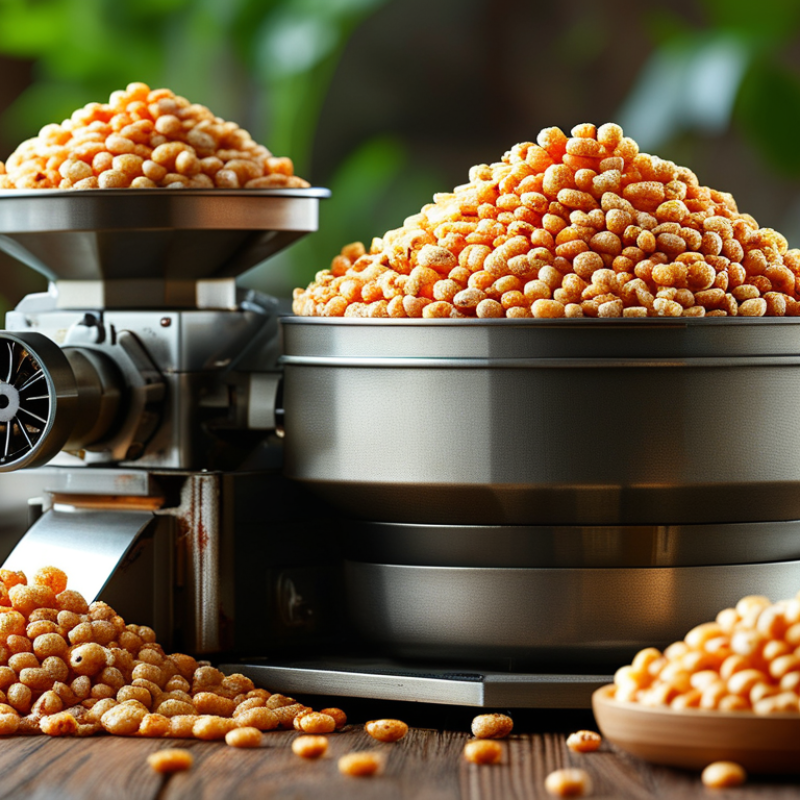
Advantages of Increased Production Efficiency with Puffed Rice Machines
Puffed Rice Machines can transform your production process. They boost efficiency and reduce labor costs. With these machines, manufacturers can produce large quantities quickly. This increased output helps meet export demands effectively. More production means more profit.
Incorporating a puffed rice machine can streamline operations. This leads to fewer bottlenecks in the production line. Additionally, the consistent quality of puffed rice improves customer satisfaction. As a result, loyal customers become more likely to return for more products. It's essential to monitor the machine regularly to avoid unnecessary downtime.
**Tip:** Ensure the machine is set up correctly before running large batches. This can prevent waste and maintain quality. Also, training staff on proper operation can lead to smoother workflows. Investing in ongoing maintenance is crucial for longevity. A well-maintained machine reflects your commitment to quality and professionalism.
Top 10 Benefits of Using a Puffed Rice Machine for Export
Impact on Product Quality and Consistency in Puffed Rice Production
Puffed rice production relies heavily on machinery that enhances product quality and consistency. The use of a puffed rice machine ensures uniform puffing. This leads to consistent size and texture, which is crucial for consumer acceptance. According to industry reports, uniformity can boost customer satisfaction by up to 30%. When customers know what to expect, they are more likely to make repeat purchases.
The quality of puffed rice directly influences its marketability. Advanced puffing machines maintain optimal temperatures and pressures, preventing contamination. Research shows that consistent manufacturing processes can increase shelf-life by approximately 20%. This reduction in spoilage increases profitability for exporters. However, not all manufacturers prioritize these factors. Some still rely on outdated methods, risking quality and inventory issues.
Investing in modern puffed rice machines is not just about increasing production capacity. It's also about enhancing the product’s integrity. A lack of process consistency can lead to variations in taste and texture. Such inconsistencies may result in negative reviews, affecting long-term business relationships. For manufacturers aiming for international markets, maintaining high standards is non-negotiable.
Top 10 Benefits of Using a Puffed Rice Machine for Export
| Benefit | Description | Impact on Quality | Consistency Level |
| Improved Texture | Provides a light and crispy texture that enhances consumer experience. | High | Consistent |
| Enhanced Flavor | Allows for incorporation of various flavors, improving product diversity. | Medium | Consistent |
| Higher Production Speed | Increases output, allowing businesses to meet export demand efficiently. | High | Consistent |
| Cost-Effective Operation | Reduces operational costs through efficient energy use and minimal waste. | Medium | High |
| Versatile Product Options | Enables production of various puffed rice products suitable for different markets. | High | Medium |
| Quality Control Automation | Mechanized quality checks ensure uniform quality across batches. | High | Very Consistent |
| Easy Maintenance | Designed for easy cleaning and maintenance, ensuring reduced downtime. | Medium | High |
| Increased Shelf Life | Packaging technology helps prolong freshness, aiding in export readiness. | High | Consistent |
| Export Compliance | Helps meet international quality standards required for export. | High | Consistent |
| Market Competitiveness | Enhanced quality and diversity lead to increased market share in export. | High | Very Consistent |
Cost-Effectiveness of Using Puffed Rice Machines for Export Scalability
Investing in puffed rice machines offers remarkable cost-effectiveness for businesses focused on export. By producing puffed rice in large quantities, companies can lower production costs significantly. This is crucial when scaling operations. With effective machinery, the cost per unit decreases, allowing for competitive pricing in international markets. The ability to meet high demand without compromising quality is a distinct advantage.
Moreover, using these machines can also reduce labor costs. Automation leads to less workforce required for production. This creates a more streamlined operation. However, initial investment can be high. Companies must consider operational costs versus immediate returns. Regular maintenance is necessary, which adds to overall expenses. Balancing these factors is essential for optimizing the profit margin.
The ability to produce a consistent product also enhances reliability. Quality control becomes easier when manufacturing processes are automated. Yet, over-reliance on machinery may lead to issues if the machine malfunctions. Training personnel is crucial to mitigate risks. There’s a fine line between efficiency and delegation, requiring constant evaluation for sustained growth.
Market Demand and Sales Growth Driven by Puffed Rice Machines
The market demand for puffed rice is experiencing notable growth. According to industry reports, the global market for puffed rice is projected to expand at a CAGR of 5.2% from 2021 to 2026. This surge is largely driven by increasing consumer preferences for healthy snacks and the versatility of puffed rice in various culinary applications.
Puffed rice machines play a crucial role in meeting this demand. These machines ensure consistent quality and production efficiency. An average production unit reports an increase in yield of up to 30% when using advanced puffed rice technology. This efficiency allows for better inventory management and reduced operational costs.
Tip: Regular maintenance of the puffed rice machine is essential. Neglecting simple upkeep can lead to unexpected downtimes and reduced production quality.
The popularity of puffed rice isn’t just about taste. It offers nutritional benefits as a low-calorie snack. However, not all consumer preferences align with what’s available. There could be a gap in flavors or innovative combinations that are yet to be explored.
Tip: Engage with your consumers. Gathering feedback can unveil what flavors or textures they might want. It’s a valuable insight for future production runs.
Enhancing Export Competitiveness through Innovative Puffed Rice Technology
The puffed rice market is gaining traction due to its nutritious benefits and versatility. According to a recent industry report, the global puffed rice market is projected to reach $8.2 billion by 2025, growing at a CAGR of 4.5%. This growth highlights the increased demand for healthy snack options worldwide. Utilizing a puffed rice machine can significantly enhance the production process, making it more efficient.
Innovative technology in puffed rice production allows for better quality control. This is crucial for meeting export standards. Studies reveal that consumers are increasingly interested in products with clear health benefits and minimal additives. Manufactured correctly, puffed rice offers a wholesome alternative rich in nutrients. Additionally, machines can streamline production, reducing labor costs while maximizing output.
However, there are challenges. Not all produced puffed rice can meet the stringent quality requirements of international markets. Training operators to utilize advanced machines effectively is essential. Regular maintenance of equipment also plays a vital role in ensuring consistency in quality. As the market grows, addressing these challenges will be key to maintaining competitiveness.