Best 52mm Tinplate Tops and Bottoms for Aerosol Cans?
In the aerosol can industry, the components used are critical. Among these, the "52mm Tinplate Top and Bottom for Aerosol Cans" stands out for its significance. A report by the Aerosol Industry Association indicates that proper can closures enhance product integrity and longevity. The right tinplate materials can withstand various environmental conditions, ensuring product safety.
Data suggests that tinplate accounts for 70% of the market share in aerosol can manufacturing. The durability of 52mm tinplate tops and bottoms is a key factor in this trend. However, while tinplate is robust, its production can be less environmentally friendly if not managed properly. This raises questions about sustainability in manufacturing processes.
Using high-quality 52mm tinplate components not only meets industry standards but also supports a reputation for excellence. Brands that fail to prioritize these components may risk product failures and customer dissatisfaction. Selecting the best materials requires a reflection on both performance and ethical practices in sourcing.
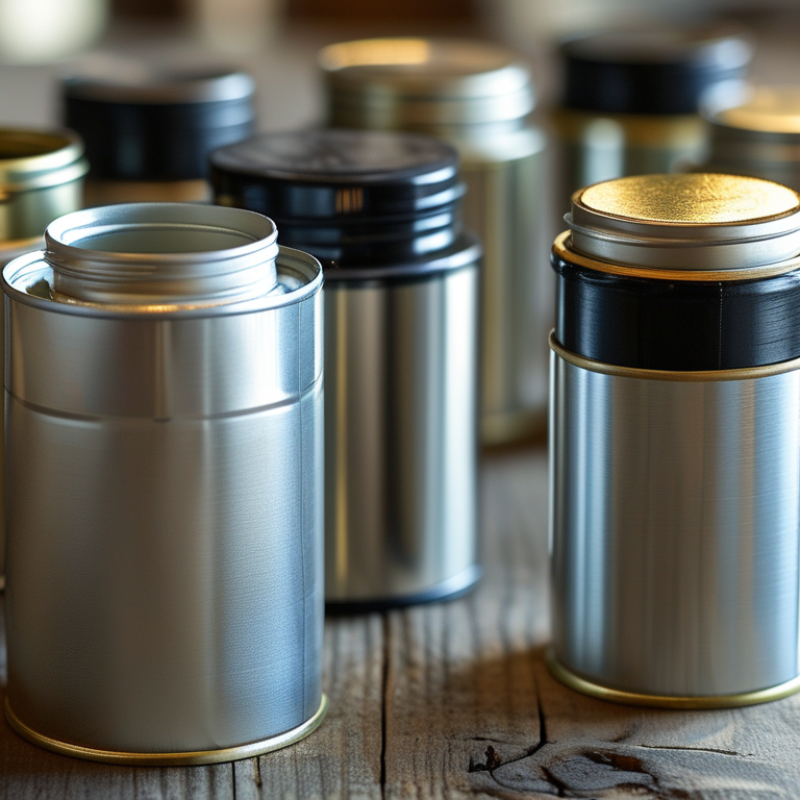
Best Materials for 52mm Tinplate Tops and Bottoms in Aerosol Cans
When considering the best materials for 52mm tinplate tops and bottoms in aerosol cans, several factors come into play. Tinplate, a combination of steel and a thin layer of tin, offers excellent corrosion resistance. This is crucial for preserving the integrity of the product inside. Many manufacturers prefer tinplate for its durability and ability to maintain an airtight seal. This quality reduces the risk of leakage, which is essential for aerosol products.
However, not all tinplate is created equal. Variations in thickness and coating can impact the performance of these cans. Some may find that cheaper options result in compromised quality. It's essential to source materials that meet industry standards to ensure reliability. Relying on trusted suppliers can help mitigate risks. Attention to detail in the selection process can prevent costly errors down the line.
In addition to material type, sustainability is becoming increasingly important. Tinplate is recyclable, which adds environmental value. However, poor recycling practices can negate these benefits. Manufacturers must remain vigilant about their sourcing and disposal methods. Noticing these details is vital in a world focused on sustainability. Balancing quality and eco-friendliness can be challenging, but it is necessary for future growth.
Key Features to Consider When Selecting Tinplate Tops and Bottoms
When selecting 52mm tinplate tops and bottoms for aerosol cans, several key features are essential. The quality of tinplate is crucial; it must be corrosion-resistant to ensure the contents remain uncontaminated. Compliance with safety standards, like those set by ASTM, enhances reliability. Research shows that cans with higher quality tops minimize leaks by up to 70%.
Consider the thickness of the tinplate. A thickness of 0.25mm is often ideal for durability without sacrificing functionality. Lightweight materials help in reducing overall shipping costs, yet they must be sturdy enough to withstand pressure. Testing your design prototypes can reveal unforeseen weaknesses.
Tip: Always run simulated pressure tests to gauge how the can holds up under various conditions. Also, check for compatibility with your filling processes. Many manufacturers find discrepancies after production begins. Pay attention to the sealing integrity, as this can save you from costly product recalls. Getting things right from the start is vital.
Comparative Analysis of Different Manufacturers of 52mm Tinplate Parts
When analyzing 52mm tinplate tops and bottoms for aerosol cans, it’s crucial to examine different manufacturers’ offerings. The materials used in production can greatly affect the overall quality and performance of the cans. A recent industry report from Smithers Pira noted that tinplate is preferred for its durability and resistance to corrosion.
Various manufacturers utilize different coating systems for their tinplate parts. Some employ epoxy-based coatings, while others opt for environmentally friendly alternatives. According to a survey by the Metal Packaging Europe association, 72% of respondents preferred manufacturers using sustainable practices. Such choices highlight a growing trend towards environmental responsibility.
However, not all products meet stringent quality standards. Some manufacturers may compromise on thickness or coating quality to reduce costs. This inconsistency can lead to issues in sealing and shelf life. A lack of proper certifications is also a concern. Approximately 30% of manufacturers do not provide clear information on their compliance with international standards. As the market evolves, ensuring the reliability of tinplate parts remains a challenge for buyers.
Common Applications of 52mm Tinplate Tops and Bottoms in Aerosol Cans
In the world of aerosol cans, 52mm tinplate tops and bottoms are essential components. Their durability ensures that the contents are securely sealed. These components are often used in products like spray paints, personal care items, and household cleaners. Their ability to protect the product from external elements is crucial. This protection also helps in maintaining the integrity and quality of the contents.
The versatility of 52mm tinplate tops and bottoms allows for various applications. In automotive products, for example, they help contain lubricants and refinishing sprays safely. In personal care, they are used in deodorants and hair sprays. These applications demand high reliability and performance. However, the challenge lies in balancing cost with quality. Manufacturers often face pressure to reduce expenses while ensuring that safety standards are met.
There's an ongoing debate about the sustainability of tinplate materials. While they are recyclable, the manufacturing process can be resource-intensive. This poses questions about environmental impact. The industry must reflect on how to enhance production methods. Innovations in this area can lead to more eco-friendly alternatives. It is a complex issue that requires thoughtful consideration from all stakeholders.
Sustainability and Recycling Considerations for Tinplate Aerosol Components
Sustainability is crucial in the aerosol can industry. Tinplate aerosol components are often favored for their recyclability. According to the Metal Packaging Europe report, around 80% of tinplate products are recycled in Europe. This high recycling rate highlights the potential for minimizing waste in production cycles. However, challenges remain in ensuring that recycling processes are efficient and widely accessible.
The production of tinplate aerosols focuses on reducing environmental impact. While tinplate itself is recyclable, the coatings and inks used can complicate the recycling process. A report by the EPA indicates that improper disposal can lead to significant environmental harm. Public awareness about recycling practices must increase to combat this issue. Encouraging consumers to separate recyclable materials correctly can enhance recovery rates.
Lifecycle assessments show that adopting tinplate materials in aerosols can significantly reduce carbon footprints. Yet, continuous improvements are necessary in technology and infrastructure to support recycling programs. Transitioning to sustainable practices is not just a goal; it is an ongoing journey for the industry. Reinforcing the circular economy in aerosol packaging is essential for future sustainability efforts.