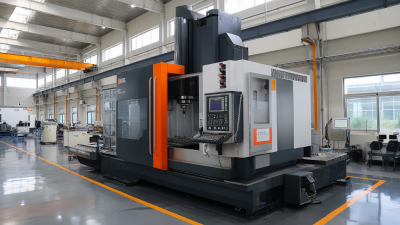

A metal cutting CNC machine is essential for modern workshops. It enhances precision and efficiency in manufacturing. Choosing the right one can be challenging. There are many options available, each with unique features.
When selecting a metal cutting CNC machine, consider your specific needs. Think about the materials you'll work with and the types of projects you'll undertake. It's easy to feel overwhelmed by the choices. Reflect on what you truly require to avoid unnecessary purchases.
Customization is often key to maximizing your machine’s potential. Some machines excel in certain applications but may lack versatility. It’s crucial to assess your workload and decide accordingly. Balancing between budget and functionality can lead to tough decisions. A well-chosen metal cutting CNC machine can transform your workshop, but care must be taken to select wisely.
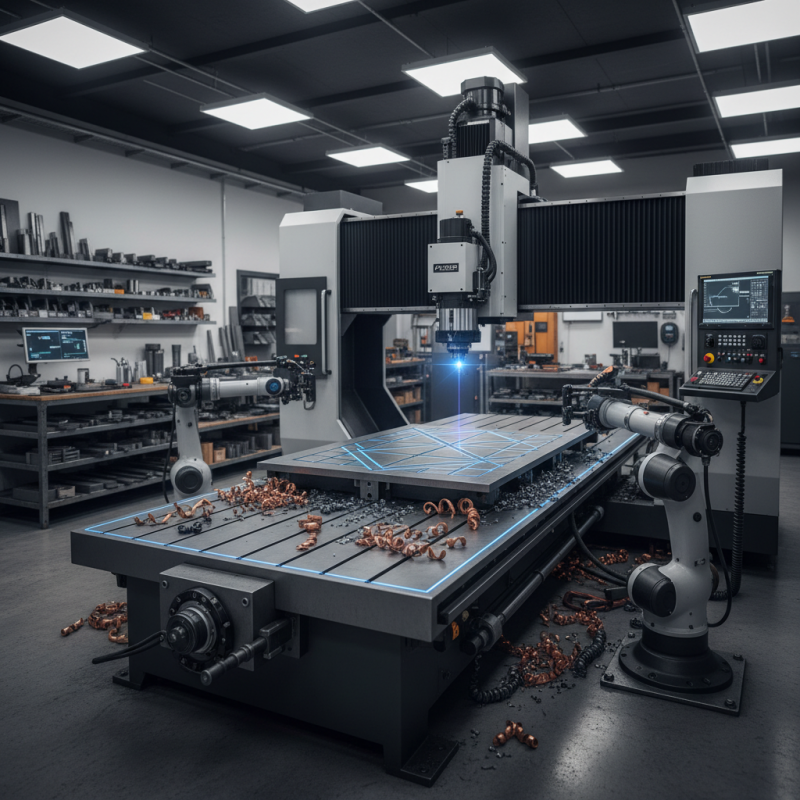
When choosing metal cutting CNC machines for workshops, it's essential to understand the different types available. There are milling machines, lathes, and plasma cutters. Each machine serves unique applications. For instance, milling machines are optimal for precision jobs. They work best with various materials, from aluminum to stainless steel.
According to industry data, CNC milling machines account for about 40% of the market share in metal cutting. This highlights their popularity and versatility. However, the learning curve can be steep. Operators might face challenges in mastering the software. Training programs are crucial to mitigate this issue. Without proper training, productivity can suffer.
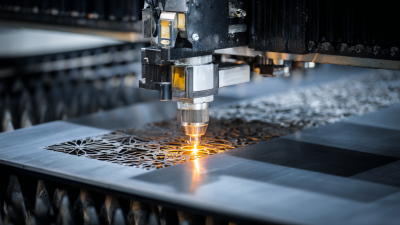
Lathes, another category, excel at producing cylindrical components. They are widely used in automotive and aerospace industries. A study observed that lathes make up roughly 30% of metalworking machines. Yet, users often overlook maintenance needs, leading to unexpected downtime. Regular checks can prevent these issues. Plasma cutters are fast but require safety precautions. High temperatures and sparks pose risks. Such nuances are critical to consider for workflow efficiency in workshops.
| Machine Type | Cutting Method | Material Compatibility | Max Cutting Thickness | Control System |
|---|---|---|---|---|
| Plasma CNC Machine | Plasma Cutting | Steel, Aluminum, Copper | 1.5 inches | G-code |
| Laser CNC Machine | Laser Cutting | Stainless Steel, Brass, Wood | 0.5 inches | Computer Interface |
| Water Jet CNC Machine | Water Jet Cutting | Metal, Glass, Stone | 8 inches | Programmable Controller |
| Mill CNC Machine | Milling | Aluminium, Steel, Plastic | 2 inches | Computer Numerical Control |
| EDM CNC Machine | Electrical Discharge Machining | Hard Metals | Varies by setup | Digital Control |
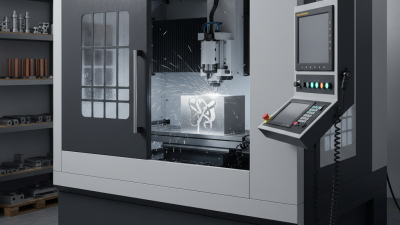
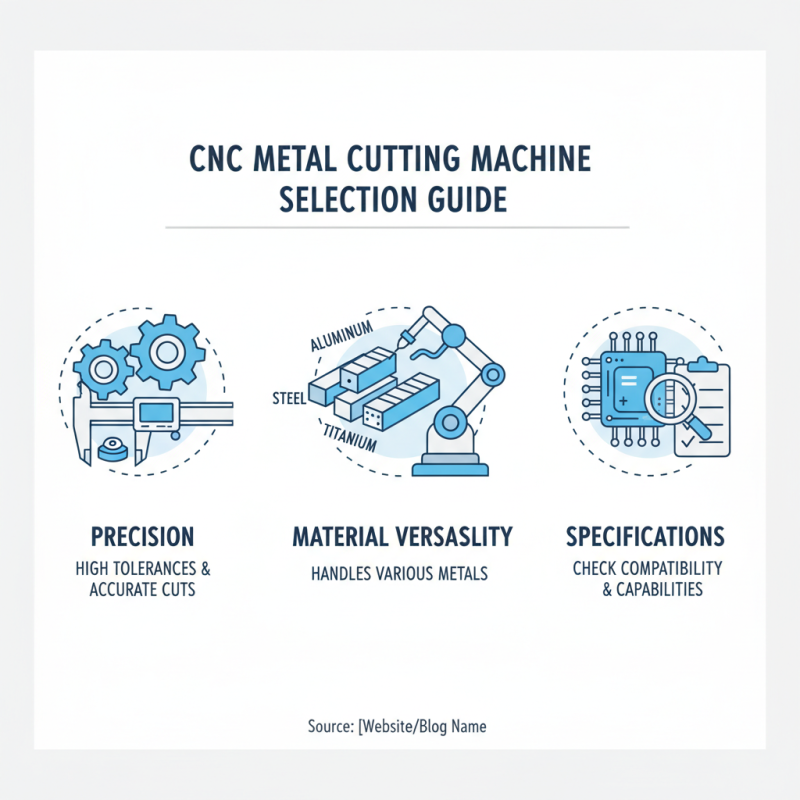
When selecting a CNC machine for metal cutting, several key features come into play. Precision is paramount. Look for machines with high tolerance levels for accurate cuts. The ability to handle various materials is also crucial. Some machines excel in aluminum while struggling with steel. Always check the specifications to ensure versatility.
Another important aspect is the software compatibility. A user-friendly interface makes programming easier. Complex setups or difficult navigation could lead to frustration. Additionally, consider the machine’s size and layout. Space constraints in your workshop can limit options. Try to visualize how the machine will fit into your existing setup.
Maintenance is often an overlooked factor. A machine requiring frequent repairs can disrupt workflow. Research into the typical lifespan and durability can offer insights. Limited support from manufacturers may also present challenges. Reflect on these elements before making a choice. Balancing features with practical needs requires careful consideration.
Choosing the right CNC machine is crucial for metalworking. Different metals require different cutting techniques. For aluminum, a machine with high-speed capabilities is essential. Aluminum is soft and easy to cut, allowing for intricate designs. The spindle speed should be adjustable to optimize cutting efficiency.
When it comes to steel, the approach changes. Steel is tougher and demands more power. A machine with robust torque is necessary for effective cutting. Cooling systems may be needed to prevent overheating during prolonged use. Users often overlook this crucial aspect, leading to machine wear and tear.
For harder metals like titanium, precision is key. A CNC machine that offers fine adjustments can make all the difference. It allows for cleaning cuts and reduces material waste. However, the initial setup can be tedious and may require multiple trials to get it right. This can be frustrating but is necessary for achieving the best results.
When considering a CNC machine for metal cutting, costs play a crucial role. Pricing varies widely based on features, capabilities, and size. A report from the International Association for Automation states that CNC machines can range from $5,000 to $300,000. However, quality machines suitable for workshops generally fall between $20,000 to $100,000. It’s essential to evaluate your needs before making a decision.
Budgeting for a CNC machine involves more than just the purchase price. Operational costs also add up. Maintenance, tooling, and software can increase your expenses significantly. A study by the Manufacturing Institute suggests that operational costs can exceed initial purchase prices by up to 40% over five years. This discrepancy highlights the importance of thorough planning. Reflecting on your long-term needs can prevent future budget overruns.
Market trends indicate that automation is becoming more affordable. However, it’s easy to overlook hidden costs, such as installation and training. Some workshops may underestimate these expenses, which can lead to financial strain later. From purchasing to operation, every phase requires careful consideration. Failing to account for these factors can lead to regrets down the line.
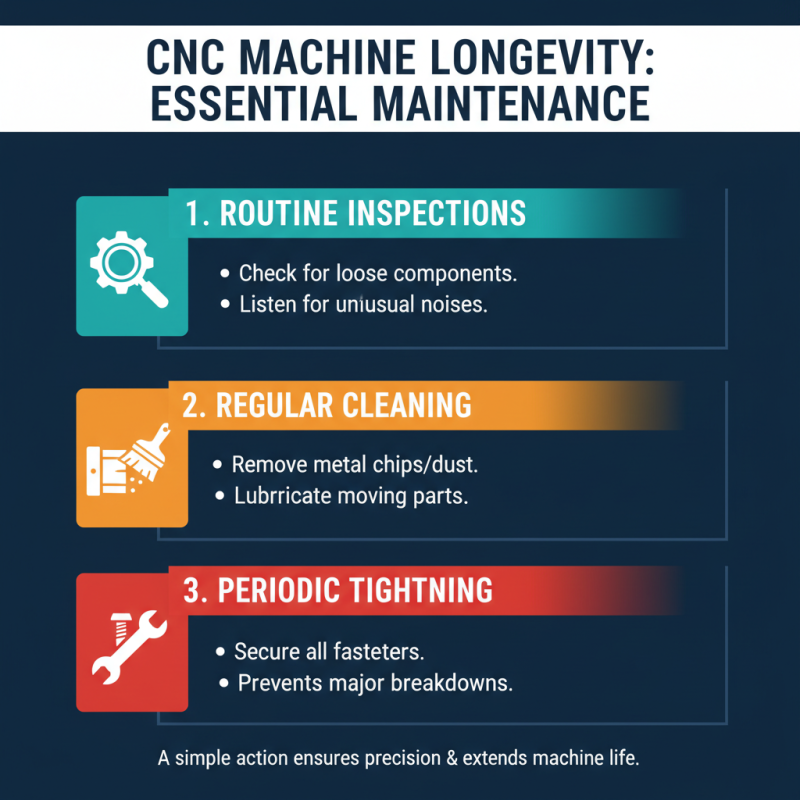
To enhance the longevity of your metal cutting CNC machine, regular maintenance is essential. This involves routine inspections and cleaning. Periodically check for loose components. A simple tightening can prevent larger issues down the road.
Tip: Keep the machine's surface clean. Dust and metal shavings can affect performance. Use a brush and cloth for effective cleaning. It’s a small task, but it makes a difference.
Lubrication can’t be overlooked. Ensure that moving parts are adequately oiled. This reduces friction and wear. Delaying this step can lead to costly repairs.
Tip: Create a maintenance schedule. Consistency is key. Set reminders for when to check parts. This habit cultivates a proactive approach to machine care.
Remember, neglecting small issues may lead to bigger problems. Stay vigilant. A well-maintained machine is a productive one.