


Request a free quote Phone Icon
die cutting materials

Blog

Best Paper Bag Supplies for Businesses in 2026

Choosing the right Paper Bag Supplies in 2026 means balancing appearance, strength, cost, and daily practicality. A bag may look polished on a product page, yet fail when it carries a glass jar or a takeaway meal. Businesses should compare paper weight, bag dimensions, handle construction, and available printing options before placing a large order. Small details matter.

This guide explores the supplies that suit different business needs, from simple kraft bags for retail counters to printed bags for branded customer orders. It also considers how to assess suppliers, request samples, and check whether packaging fits your products and storage space. A quick sample test can reveal weak seams, awkward handles, or colors that look different under shop lighting. Test before scaling.

There is no single best choice for every business. A bakery may value easy packing and clean presentation, while a boutique may need a sturdier finish and more room for tissue paper. Even a lower unit price can disappoint if bags arrive inconsistently or do not suit the products. That trade-off is easy to overlook. By comparing practical features with real operating needs, businesses can make more informed purchasing decisions and choose paper bag supplies that work beyond the first impression.
Best Paper Bag Supplies for Businesses in 2026

Types of Paper Bags Used by Businesses in 2026

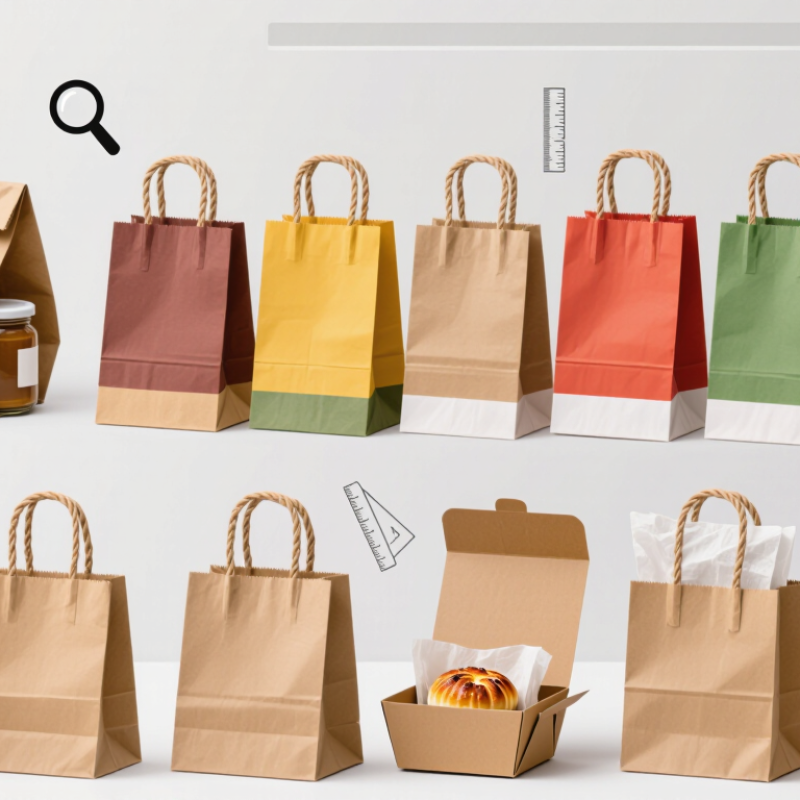
In 2026, businesses use several paper bag styles, each suited to different products and customer routines. SOS kraft bags have a flat base and square sides, so they stand upright for groceries, takeaway boxes, and small retail goods. Twisted-handle bags suit clothing, books, and heavier purchases when the handle is properly reinforced. Check the bag’s dimensions and stated capacity; a roomy shape does not always mean a stronger bag.

Flat-handle paper bags are common for quick-service food orders and lightweight items. Their handles lie close to the bag, making them easy to store in a busy counter area. Bakeries may choose grease-resistant paper for pastries, while produce shops often prefer breathable kraft bags. These options can help with handling, but they do not keep food fresh indefinitely. Small details matter.

For premium retail, laminated or heavier-weight paper carriers create a firmer feel and support neat presentation. They may also take up more storage space and require closer attention to material choices. Recycled-content bags can fit a business’s purchasing goals, but quality varies by paper weight, construction, and supplier. Test before ordering. Fill sample bags with actual products, lift them by the handles, and check how seams behave after a short walk. Even a sensible choice can prove awkward at checkout.

Materials and Features That Define Paper Bag Quality

Best Paper Bag Supplies for Businesses in 2026
Materials and Features That Define Paper Bag Quality

A dependable paper bag starts with the right paper grade, not a glossy finish. Kraft paper is valued for its long fibers and tear resistance; recycled content can reduce demand for virgin fiber, but quality varies by furnish and manufacturing. Check the bag’s stated weight capacity, handle attachment, and bottom-fold construction. A full bag of groceries puts real stress on those points. Small details matter.

The U.S. Environmental Protection Agency reported that 68.2% of paper and paperboard was recycled in 2018. This broad category includes more than shopping bags, so the figure is useful context, not a bag-specific recycling rate. Ask suppliers for clear fiber-content specifications and test samples with your actual products. Grease, moisture, and sharp corners can weaken paper quickly. A heavier bag is not automatically a better one; it may use more material without fixing a weak seam.

Tips: Load a sample bag with your heaviest typical order. Lift it by the handles, then inspect the base and side folds. Check whether the paper feels sturdy when damp. It is easy to overlook this.

How to Choose Paper Bags for Different Business Needs

Choosing paper bags starts with the product, not the color. A bakery selling warm pastries needs a bag that resists grease and holds its shape. A grocery shop may need a wider base for jars and produce. For takeaway orders, check whether the bag can carry a flat food container without tipping. Handles matter, too: twisted-paper handles suit heavier purchases, while flat handles can work well for lighter items. Small details count.

For sizing, test real orders before buying in bulk. Place the largest typical items inside, then check whether staff can pack them quickly. The American Forest & Paper Association reported that about 65% of U.S. paper and paperboard was recycled in 2023. That figure describes the material overall, not every bag or local collection program. Grease, coatings, and mixed materials can affect acceptance, so confirm local recycling guidance before choosing a finish. A stronger bag may reduce tearing, but excess material can raise cost and waste. The balance is not always obvious. Track damaged bags and customer complaints for a few weeks, then adjust size, paper weight, or handle style.

Best Paper Bag Supplies for Businesses in 2026: How to Choose Paper Bags for Different Business Needs

Representative bag dimensions for common business uses. Sizes are examples, not industry standards; confirm supplier specifications and load capacity before ordering.

How to use this chart: Match bag dimensions to the products you sell. Wider gussets can help accommodate bulky or boxed items; taller bags may suit apparel and grocery purchases. Choose paper weight and handle style based on the products’ weight and how customers will carry them.

Printing, Customization, and Branding Options

Paper bags can carry more than a logo; they can make a purchase feel considered. McKinsey’s 2021 Next in Personalization report found that 71% of consumers expect personalized interactions. For retailers, that can mean printing a neighborhood illustration, a seasonal message, or a clear website address on the bag. Keep the design readable at arm’s length. A crowded layout can bury the brand.

Choose print methods around order size, paper finish, and artwork. Flexographic printing can suit larger runs, while digital printing offers flexibility for short runs or changing designs. Ask suppliers for a press proof on the actual paper stock: colors may look different on kraft paper than on a screen. The U.S. Food and Drug Administration’s packaging guidance also makes material suitability important when bags may contact food; confirm the intended use with your supplier. One detail is easy to miss: handles can cover artwork when folded.

Tips: Put key text above the handle line, use high-contrast ink, and test one printed sample under store lighting. McKinsey’s figures concern personalization broadly, not paper bags specifically. That distinction matters; a custom print is not automatically a meaningful one. A plain bag with a useful message may work better than an elaborate design.

Sourcing, Sustainability, and Storage Considerations

Reliable paper-bag sourcing begins with the job each bag must do. Specify dimensions, paper weight, handle type, recycled content, and expected order volume before requesting quotes. Ask suppliers for fiber-origin documentation and realistic lead times, then test samples with the products your customers will carry. Small details matter: a damp grocery item or a sharp box corner can expose a weak base quickly.

Environmental claims need context. The US Environmental Protection Agency reported that 68.2% of paper and paperboard was recycled in 2018; that figure covers the material category, not paper bags alone. FAO’s Global Forest Resources Assessment 2020 estimated annual deforestation of 10 million hectares from 2015 to 2020. These figures make traceable fiber sourcing worth asking about, but recycled content alone does not prove a bag has a lower overall impact. Check the evidence. Avoid oversized bags and unnecessary layers where practical.

Storage can undo careful purchasing. Keep cartons off concrete floors, away from exterior walls, and in a dry, stable room. Use the oldest stock first, and avoid stacking bundles so high that lower bags crease or handles deform. A simple humidity log may help in damp seasons. One planning gap is easy to miss: buying a large quantity may lower unit cost but increase damage and storage pressure. Review actual weekly use before committing to a full pallet.