Top Cable Sleeve Trends for 2026 Canton Fair Insights?
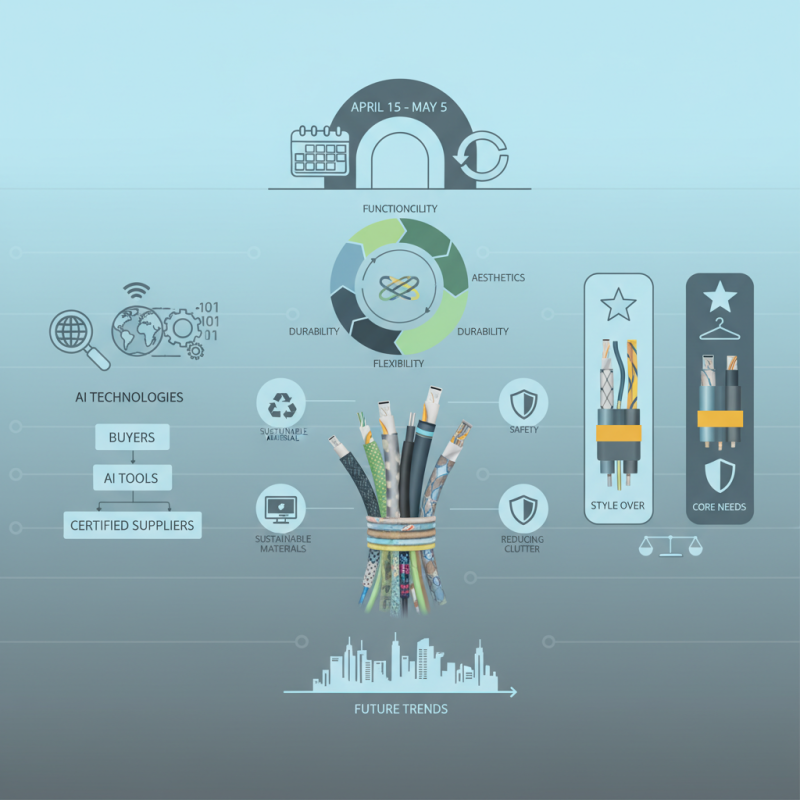
As we approach the 2026 Canton Fair, trends in the Cable Sleeve industry are becoming increasingly significant. The event spans from April 15 to May 5, showcasing advanced manufacturing and electronics. Cable sleeves, essential for organizing and protecting cables, are drawing attention. Their designs are evolving, focusing on both functionality and aesthetics. Buyers will explore innovative materials that enhance durability and flexibility.
The introduction of AI technologies at the fair can improve how businesses connect. AI tools can help buyers find certified suppliers more efficiently. This dynamic opportunity allows for precise navigation through the extensive exhibition space. Many exhibitors aim to showcase the latest in cable sleeve designs that cater to market demands.
Attendees will notice a diverse range of options. Cable sleeves are critical in reducing clutter and ensuring safety in various environments. Some designs might prioritize style over practicality, prompting a reconsideration of core needs. Engaging with industry leaders will bring forth discussions on sustainable materials and their role in future trends.
Top Cable Sleeve Trends Emerging from the 2026 Canton Fair
The 2026 Canton Fair showcased several enlightening trends in cable sleeves. As the demand for enhanced cable management grows, consumers are seeking innovative solutions that improve organization and longevity. Recent industry reports indicate a surge in the market for cable protection. It's projected to grow by over 15% annually, driven by advances in materials and design.
One prominent trend is the rise of eco-friendly materials. Many exhibitors emphasized biodegradable and recyclable cable sleeves. Statistics reveal that 65% of buyers prefer sustainable products. This shift reflects a broader consumer consciousness about environmental impact. Colorful and customizable sleeves gained traction, appealing to both aesthetic preferences and uniqueness. Buyers are increasingly looking for cable management that complements their spaces.
However, challenges remain. Some manufacturers struggle with sourcing high-quality sustainable materials. The balance between eco-friendliness and durability is delicate. As the market evolves, continuous evaluation of materials and processes will be essential. The insights from the Canton Fair underscore an exciting yet complex landscape for cable sleeves in the near future.
Top Cable Sleeve Trends Emerging from the 2026 Canton Fair
| Trend | Description | Material | Application | Sustainability |
| Eco-Friendly Options | Sustainable cable sleeves made from recycled materials. | Recycled PET | Consumer electronics | High |
| Heat Resistant | Sleeves designed to withstand high temperatures. | Silicone | Automotive and industrial | Medium |
| Flexible Designs | Highly flexible cable sleeves for easy installation. | Nylon | Home appliances | Low |
| Customizable Colors | Offering customizable color options for aesthetic appeal. | Polyester | Commercial electronics | Variable |
| Latex-Free Options | Alternative materials for those allergic to latex. | TPE (Thermoplastic Elastomer) | Medical devices | High |
Innovative Materials Transforming Cable Sleeve Design
The cable sleeve industry is witnessing exciting changes in materials. Innovative fabrics are redefining how we protect and manage cables. These new materials promise durability and flexibility, catering to various needs.
Biodegradable options are gaining traction. Consumers seek sustainable solutions. The challenge remains: ensuring quality while being eco-friendly. Many products still require chemical treatments. This raises questions about safety and environmental impact.
Additionally, the use of smart materials is coming into play. These materials can change based on temperature and pressure. However, their long-term reliability in cable management is still under scrutiny. As the industry heads towards the 2026 Canton Fair, balancing innovation with practicality will be crucial.
Sustainability and Eco-Friendly Practices in Cable Sleeve Production
The cable sleeve industry is evolving. Sustainability and eco-friendly practices are becoming essential. Recent reports indicate that 70% of consumers prefer eco-friendly products. This demand is pushing manufacturers to rethink materials and production methods.
Biodegradable and recycled materials are gaining traction. For instance, sleeves made from recycled plastics reduce waste significantly. Studies show that using recycled materials can cut down carbon emissions by 25%. This is a step forward, but many companies still rely on traditional materials. There’s a gap in the market for greener options.
Innovation is key to meeting sustainability goals. Some companies are experimenting with natural fibers, like hemp and jute. These materials not only perform well but also promise a reduced environmental footprint. However, the production processes often lack transparency. It raises concerns about true sustainability. Can manufacturers ensure these eco-friendly alternatives are truly sustainable? The industry must address these challenges to gain consumer trust.
Top Cable Sleeve Trends for 2026
Smart Technology Integration in Cable Sleeve Solutions
In 2026, smart technology integration will redefine cable sleeve solutions. The industry is witnessing a shift toward smarter designs. According to a recent report from MarketsandMarkets, the smart cable management market is expected to grow by over 15% annually. This trend highlights the demand for innovation in cable management.
Cable sleeves are now not just protective coverings. Advanced materials are being used. Sensors can detect temperature changes or wear and tear. The capability to monitor cable conditions in real-time is revolutionary. Such features could prevent costly downtimes. However, implementing this technology could be challenging for some manufacturers.
Despite the advantages, there are concerns about cost and complexity. Many businesses may hesitate to fully adopt these smart solutions. Integration with existing systems is not straightforward. Training staff to use advanced technology adds another layer of difficulty. The future looks promising, yet reflects an ongoing struggle with adaptation.
Consumer Preferences Shaping Future Cable Sleeve Trends
The cable sleeve market is changing. Consumer preferences significantly influence trends. Research shows that 47% of consumers now prioritize eco-friendly materials. This shift impacts manufacturers and designers. They must adapt to these sustainability-focused demands.
A recent report indicates that color and design are essential to buyers. Approximately 65% of consumers prefer customized designs. This preference highlights a desire for personalization in cable management products. Buyers seek functional and stylish solutions. However, some designs lack practicality. Consumers report frustration with aesthetics over utility.
Innovation is necessary to meet these demands. Research shows that 52% of consumers are willing to pay more for quality. This creates opportunities for designers to create better products. However, some manufacturers may overlook functionality in favor of trends. This could lead to dissatisfaction and lost sales. Balancing style and practicality is essential for future growth in the cable sleeve market.