How to Choose the Best Metal Cutting CNC Machine for Your Needs?
Choosing the right metal cutting CNC machine can significantly impact your manufacturing process. These machines offer precision and efficiency in various metalworking tasks. However, selecting one that fits your specific needs requires careful consideration.
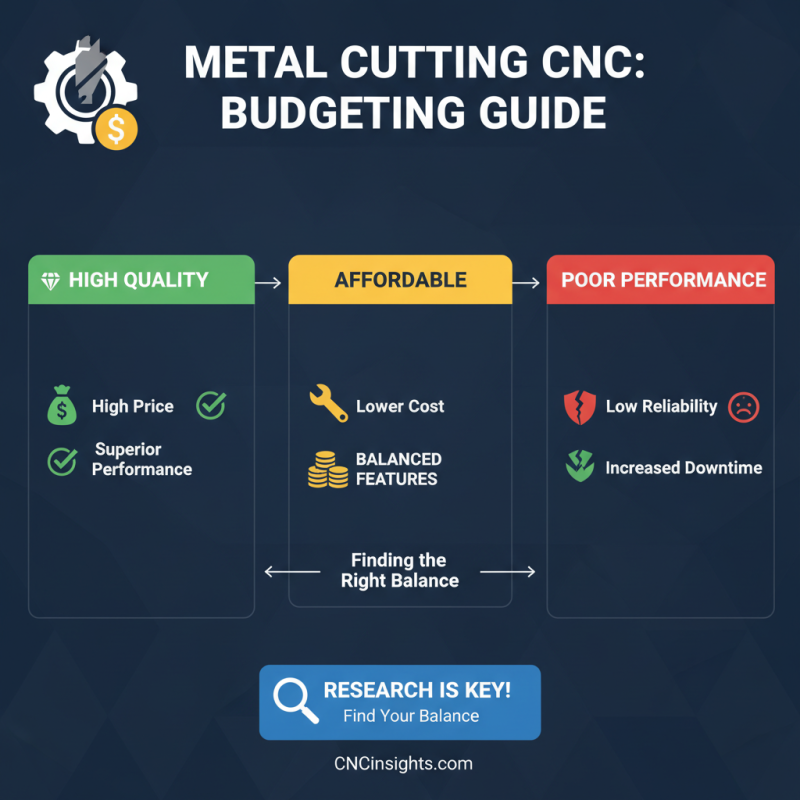
When evaluating your options, think about your project requirements. Consider the types of metals you work with and the complexity of your designs. Look for features that enhance versatility and ease of use. You may also encounter challenges, such as budget constraints and technical capabilities. Each machine has unique specifications, and flaws could arise in even the most established brands.
It's essential to weigh both the advantages and the potential downsides of your choices. What works for one application may not be suitable for another. Take your time to research. Seek feedback from experienced users. Ultimately, finding the ideal metal cutting CNC machine will enhance your productivity and quality.
Understanding Different Types of Metal Cutting CNC Machines: Key Features
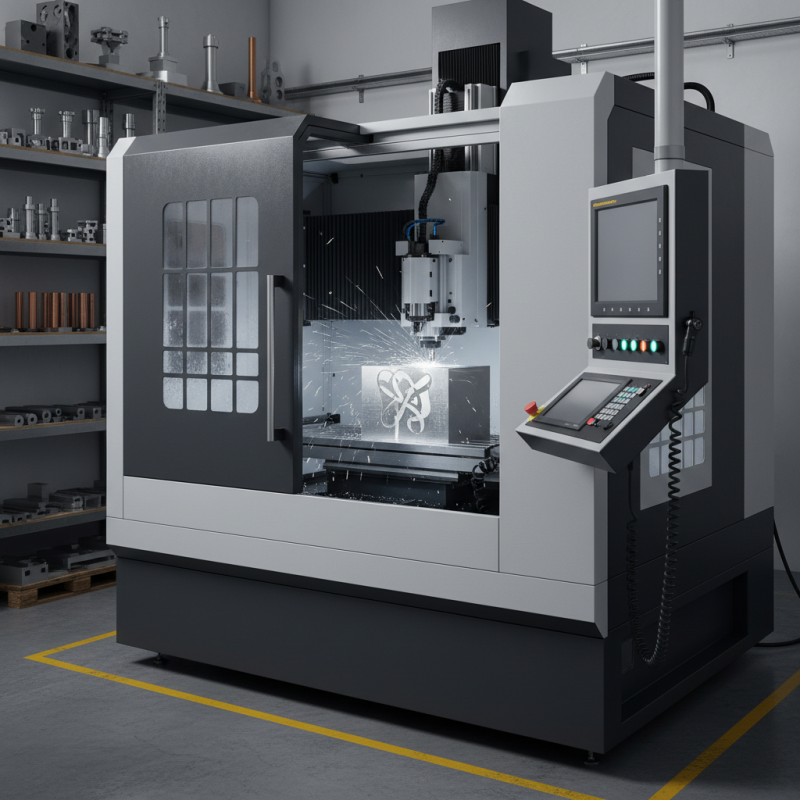
When selecting a metal cutting CNC machine, understanding the various types and their features is crucial. CNC plasma cutters are popular for their ability to slice through metal quickly. They use a high-velocity jet of ionized gas, resulting in clean edges and precision. However, they can struggle with thicker materials, which may require more powerful solutions.
Another option is the CNC laser cutter. This machine excels in cutting thin sheets and provides exceptional detail. It operates with a focused beam of light and can handle complex designs. Yet, the cost of maintenance can be higher. Waterjet cutters are versatile but can leave a rough edge, necessitating additional finishing work. These machines use high-pressure water mixed with abrasives for cutting, which can be appealing for various materials but slow down production.
Each machine comes with unique capabilities and trade-offs. The decision often hinges on the specific tasks at hand. Assessing the materials used and the intricacies of designs helps narrow down choices. Reflecting on your own production needs and the parts required can ease the selection process. But the reality is, no single machine fits all applications perfectly.
Comparison of Different Types of Metal Cutting CNC Machines
Assessing Material Compatibility for Optimal Metal Cutting Performance
When selecting a metal cutting CNC machine, material compatibility is crucial. Different metals behave uniquely under cutting conditions. For example, aluminum is softer and requires a different cutting speed than steel. A report from the American Society of Manufacturing Engineers indicates that using the wrong settings can reduce tool lifespan by over 30%. This discrepancy highlights the importance of knowing your materials.
Different metals also require specific tools. Steel cutting often calls for high-speed steel tools, while copper might perform better with carbide. A study by the International Journal of Advanced Manufacturing Technology found that using appropriate CNC settings increased cutting efficiency by 40%. However, many users overlook this critical factor. They often assume one machine fits all tasks. This leads to suboptimal results and increased costs.
Moreover, not all CNC machines handle the same weight and density of materials. A machine designed for lightweight tasks may struggle with heavy metals. It's vital to calculate the maximum load a CNC machine can handle before purchasing. If not, users can face unexpected machining challenges that could disrupt production timelines.
How to Choose the Best Metal Cutting CNC Machine for Your Needs?
| Material Type |
CNC Machine Compatibility |
Recommended Cutting Speed (mm/min) |
Ideal Tool Type |
| Aluminum |
Router, Plasma Cutting |
1000 - 3000 |
End Mill |
| Steel |
Laser Cutting, Water Jet |
500 - 1500 |
High-Speed Steel Tool |
| Stainless Steel |
Laser Cutting, CNC Milling |
300 - 1000 |
Carbide Tool |
| Copper |
Plasma Cutting, CNC Router |
800 - 2000 |
Copper Tool |
| Titanium |
CNC Milling, Wire EDM |
100 - 500 |
Solid Carbide Tool |
Evaluating Precision and Tolerance Levels in CNC Machining Processes
When selecting a metal cutting CNC machine, precision and tolerance levels are pivotal factors. According to a recent industry report, machines with a precision level of ±0.01 mm are considered ideal for most manufacturing processes. However, some high-end machines can achieve tolerances as tight as ±0.001 mm. While these high-precision machines may seem alluring, their cost and maintenance demands can deter many buyers.
The choice of CNC machine also depends on the materials being cut. For softer metals like aluminum, a tolerance of ±0.05 mm may suffice, while harder materials like stainless steel require tighter tolerances. A common oversight is underestimating the impact of wear and tear on precision. Over time, even the best machines may drift from their original specifications. Regular maintenance does help, but even that can’t always guarantee consistent performance.
Evaluating precision is not just about numbers. It's about real-world application and performance. A machine that boasts impressive specs may fall short in actual use. Operators should understand their specific requirements. Conducting tests on prototype cuts can reveal vital information about the machine's true capabilities and limitations. Each project can vary, and flexibility in tolerance can often be more beneficial than sticking rigidly to specifications.
Key Industry Standards and Certifications to Consider in CNC Selection
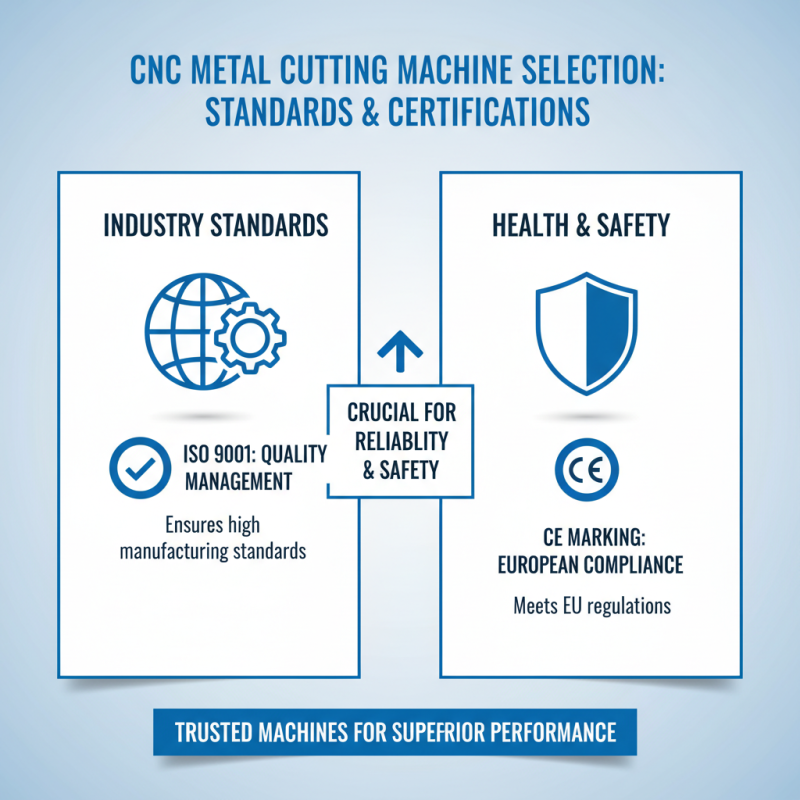
When selecting a metal cutting CNC machine, industry standards and certifications play a crucial role. Look for machines that meet specific requirements, such as ISO 9001 for quality management. This certification ensures that the manufacturer maintains high standards in their production process. Machines with CE marking indicate compliance with European health and safety regulations, providing peace of mind.
Another aspect to consider is the machine's safety certifications. UL and CSA certifications show that the equipment has passed rigorous safety tests. These can reduce the risk of accidents in your workshop. However, not every machine will have these certifications. In such cases, carefully assess the potential risks involved.
Operational efficiency is often tied to compliance as well. Machines adhering to industry standards can minimize downtime and maintenance costs. On the other hand, non-compliant machines may require frequent repairs. It's important to weigh these factors against your budget. Sometimes, the cheapest option ends up costing more in the long run due to lower reliability.