Why Choose Drum Filter for Aquaculture Efficiency?
In recent years, aquaculture has witnessed significant advancements, particularly in filtration technologies. The adoption of the Drum Filter Aquaculture system is on the rise, driven by its efficiency in maintaining water quality. According to a report by the Food and Agriculture Organization (FAO), aquaculture production grew to over 114 million tonnes in 2020, underscoring the industry's expanding scale and increasing environmental pressures.
Drum filters have become essential for many aquaculture operations, significantly reducing particulates and maintaining optimal conditions. Research indicates that effective filtration can enhance fish survival rates by up to 20%. However, outdated systems often contribute to inefficiencies, including higher operational costs and poor water quality, leading to fish stress. This reality necessitates a reevaluation of filtration methods.
Choosing the right equipment is crucial. Drum Filter Aquaculture systems not only improve water clarity but also reduce labor and energy costs. While initial investments may seem high, the long-term benefits often outweigh the drawbacks. Proper evaluation of these systems can substantially impact productivity and sustainability in an increasingly competitive industry.
Overview of Drum Filters in Aquaculture Systems
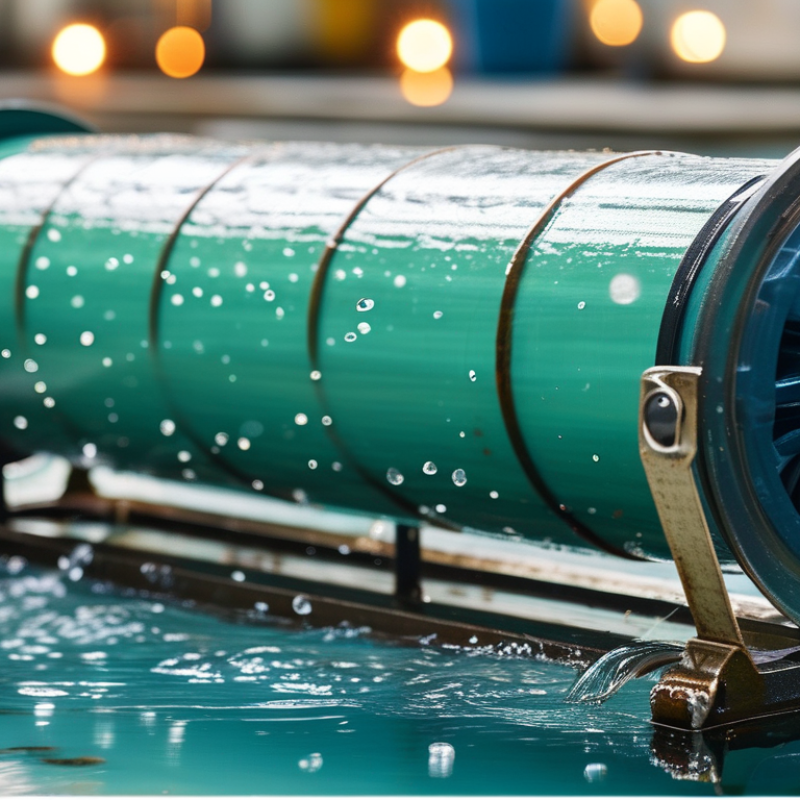
Drum filters have gained popularity in aquaculture systems due to their efficiency in water filtration. These devices can remove a wide variety of particulate matter, including solids as small as 50 microns. According to industry reports, using drum filters can reduce suspended solids by over 90%. This high efficiency helps in maintaining water quality, crucial for the health of aquatic species.
In aquaculture, the cost of water quality management can be significant. Studies show that poor water conditions can lead to reduced growth rates in fish. Drum filters can lower this risk, contributing to better overall yield. They also provide a reliable solution with low maintenance needs. However, despite their advantages, some facilities struggle with proper installation. Misalignment can lead to inefficiencies, reminding us that attention to detail is vital.
While drum filters improve many aspects of aquaculture, they are not a one-size-fits-all solution. Each aquaculture operation has unique demands. A 2022 review highlighted the importance of evaluating individual needs before implementation. This reflects the nuance required in aquaculture management. Understanding both the benefits and limitations of drum filters can lead to more informed decisions in system design.
Key Advantages of Using Drum Filters for Water Quality Management
Drum filters have gained popularity in aquaculture due to their ability to enhance water quality management. These systems utilize a rotating drum fitted with fine mesh. This design effectively captures solids, contributing to cleaner water. In fact, studies indicate that up to 95% of suspended solids can be removed from aquaculture systems using drum filters. The importance of maintaining optimal water quality cannot be overstated; poor water conditions can lead to disease outbreaks and reduced growth rates in aquatic species.
Another notable advantage of drum filters is their capacity to operate continuously with minimal maintenance. This is critical for aquaculture operations that rely on stable water conditions to support aquatic life. For instance, a report by the Food and Agriculture Organization indicates that maintaining consistent water quality can improve fish growth rates by as much as 30%. This efficiency not only increases yield but also reduces operational costs. However, aquaculture managers must remain vigilant about the need for regular monitoring; even the best systems can falter without proper oversight.
In addition, drum filters contribute to a more sustainable aquaculture practice. By efficiently removing waste, they help to lower the environmental impact of farming activities. However, selecting the right size and mesh for specific applications is crucial. Misjudgment can lead to suboptimal filtration and increased operational challenges. These complex dynamics highlight the need for careful planning and expertise when integrating drum filters into aquaculture systems.
Comparison of Drum Filters with Other Filtration Systems
When evaluating filtration systems for aquaculture, drum filters often emerge as a practical choice. Their design allows for efficient solids removal, which is crucial in maintaining water quality in fish farming. Drum filters use a rotating screen to separate solids from water. This method minimizes clogging, leading to lower maintenance needs compared to static filters.
In contrast, traditional filtration systems may struggle with efficiency. Systems such as sand filters can accumulate debris, requiring more frequent cleaning. This can disrupt operations and increase labor costs. Additionally, biofilters can take time to establish, during which water quality may suffer. Drum filters provide a more immediate solution, improving water quality right away.
However, drum filters do have their limitations. They require a power source, which could be an issue in remote locations. Their initial setup cost might deter some aquaculture ventures. It's essential to weigh these factors against the benefits they provide. Careful consideration of the specific needs of an aquaculture operation is vital for optimal performance.
Why Choose Drum Filter for Aquaculture Efficiency?
Impact of Drum Filters on Aquaculture Efficiency and Sustainability
Drum filters have significantly altered the landscape of aquaculture efficiency and sustainability. These systems excel in removing solid waste from water, which is crucial for maintaining a healthy aquatic environment. According to a report by the Aquaculture Association, proper filtration can improve water quality by up to 80%. This efficiency directly impacts fish growth rates and overall productivity, making drum filters invaluable in aquaculture operations.
The sustainability aspect is equally compelling. With better waste management, drum filters reduce the need for chemical treatments. Research from the Journal of Aquatic Systems highlights that facilities using drum filters show a marked decrease in harmful substances. Maintaining cleaner water not only supports fish health but also lowers mortality rates, which can be as high as 30% in poorly filtered systems. However, the initial investment in drum filters can be a barrier for some farmers, leading to a reflection on cost versus long-term benefits.
Moreover, drum filters require ongoing maintenance to ensure optimal performance. Neglect can lead to decreased filtration efficiency and increased costs. It's essential for operators to have a proactive approach. Keeping track of the filter's condition can enhance performance and sustainability in aquaculture. As the industry continues to evolve, the role of drum filters remains critical.
Best Practices for Implementing Drum Filters in Aquaculture Operations
Implementing drum filters in aquaculture operations can greatly enhance efficiency. These filters remove solid waste and organic matter effectively. In turn, this helps maintain water quality. For optimal performance, regular maintenance is crucial. Inspect and clean the filters routinely to prevent clogging. This ensures they operate at peak efficiency.
Training staff on proper usage is equally important. They should understand the filter's functions. Familiarity with the system minimizes operational errors. Appropriate settings for flow rates and backwashing cycles must be established. Additionally, monitor the water parameters closely. Consistent assessment helps identify issues early.
However, not all aquaculture systems may suit drum filters. Assess compatibility with the existing infrastructure. Some setups may need adjustments or enhancements. Take time to evaluate these factors. This reflective approach can lead to better decision-making. Ultimately, the right implementation of drum filters can transform aquaculture practices.
Why Choose Drum Filter for Aquaculture Efficiency? - Best Practices for Implementing Drum Filters in Aquaculture Operations
| Aspect | Description | Benefits |
| Filtration Efficiency | Removes particles as small as 50 microns. | Improves water quality and fish health. |
| Operational Cost | Lower energy and maintenance costs compared to traditional filters. | Reduces overall operational expenses. |
| Automation | Can be integrated with automated systems. | Enhances labor efficiency and consistency in operations. |
| Space Efficiency | Compact design suitable for various setups. | Maximizes available space in aquaculture systems. |
| Ease of Maintenance | Easy to clean and maintain with minimal downtime. | Maintains consistent filtration performance. |