How to Choose the Best Plastic Cutting CNC Machine for Your Needs?
Choosing the right plastic cutting CNC machine can be crucial for your production needs. The market has seen significant growth, with a projected CAGR of 7.3% from 2021 to 2028, according to a recent report by Industry Research Group. This growth reflects the increasing demand for precision and efficiency in manufacturing processes. Experts emphasize that investing in the right machinery is vital for maintaining competitive advantage.
Dr. Evan Johnson, a leading expert in CNC technology, once stated, "Selecting the appropriate plastic cutting CNC machine directly impacts the quality and precision of the final product." His insight underscores the importance of careful evaluation. However, with numerous options available, choosing the best can be overwhelming.
When assessing your needs, consider factors such as accuracy, speed, and materials. Each CNC machine has unique features tailored for specific applications. Make sure to weigh these attributes against your project requirements. Not every machine will be ideal for your purpose. Reflect on your ongoing projects, as they can guide your choice. Ultimately, a well-informed decision will lead to better production outcomes.
Understanding the Different Types of CNC Machines for Plastic Cutting
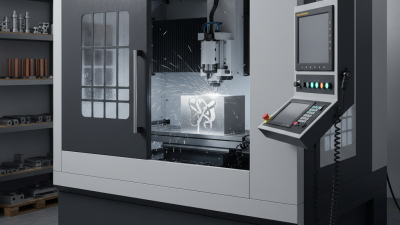
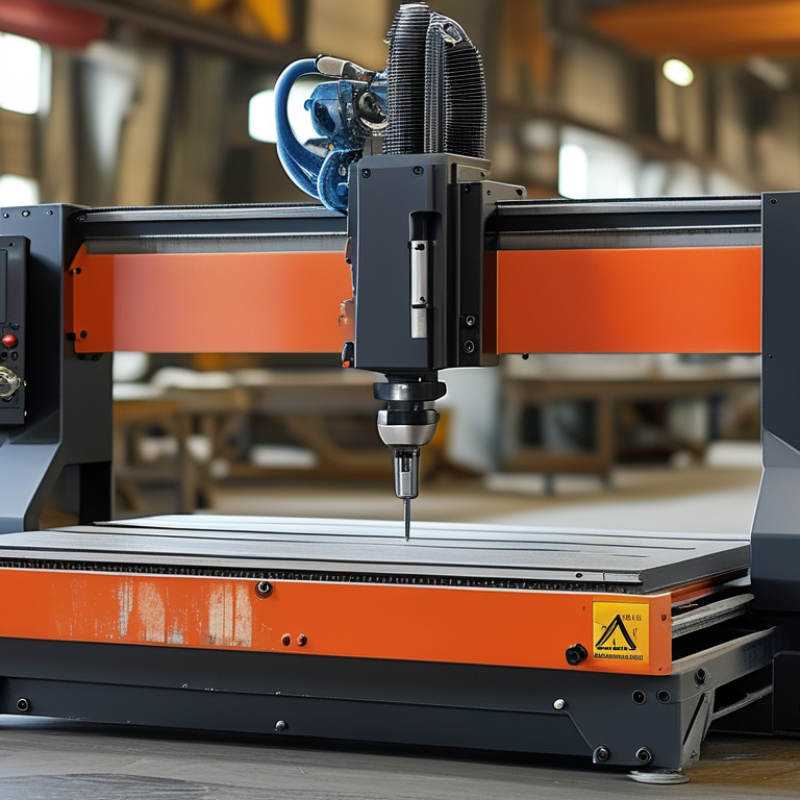
When selecting a CNC machine for plastic cutting, understanding the different types available is crucial. Key options include router-style machines, laser-cutting systems, and waterjet cutters. Router-style machines are versatile and work well with various plastics. They can produce intricate designs but may require frequent bit changes for different materials. Laser cutters provide precision and smooth edges. However, they can be limited by the thickness of the material. Waterjet cutters, on the other hand, excel with thick plastics but typically involve more maintenance.
Each machine type has its strengths and weaknesses. For instance, while laser cutters deliver tidy cuts, they might not be ideal for larger projects requiring extensive surface area coverage. Router machines can handle diverse shapes but may struggle with thicker densities. It’s imperative to consider your specific projects and material type carefully. Reflecting on your expected production volume is also necessary. These machines can have varying speeds and efficiencies based on task complexity and operator skill. The right choice will depend on balancing these factors with your budget and production goals.
Key Specifications to Consider in a Plastic Cutting CNC Machine
When selecting a plastic cutting CNC machine, key specifications play a vital role in performance. One crucial aspect is the cutting speed. Industry reports indicate that optimal speeds can reach up to 12,000 RPM for plastics. However, achieving high speeds requires a machine with a robust spindle. Low-quality machines may struggle, leading to uneven cuts and waste.
Another essential specification is the machine's work area. A larger work area increases versatility. Many companies favor machines with a minimum of 1,200 mm by 1,200 mm dimensions for flexibility. This allows for larger sheets and complex designs. Yet, larger machines typically come at a higher cost. It's essential to balance size with budget constraints.
Additionally, consider the control system. Advanced control systems enhance precision and ease of use. Studies show that machines with intuitive software reduce operator errors by over 30%. However, overly complex systems can confuse new users. It's crucial to find a solution that offers both advanced features and user-friendliness. Selecting the right specifications ensures efficiency, but it can also lead to challenges if not well thought out.
Evaluating Accuracy and Precision: Industry Standards and Metrics
When selecting a plastic cutting CNC machine, understanding accuracy and precision is crucial. Industry standards play a significant role in determining how well a machine performs. For instance, the tolerance level dictates how closely the machine can cut to the specified dimensions. A tolerance of ±0.1 mm is common in many applications. Knowing this helps in assessing whether a particular CNC machine meets your needs.
Evaluating metrics is equally important. Look for machines that provide consistent repeatability. A repeatability of ±0.05 mm indicates reliability in production runs. However, achieving high precision requires the right setup. Factors like tool wear and material properties can affect outcomes. Regular maintenance becomes essential. Be prepared for some trial and error. It’s a part of the learning curve when working with new technology.
Beyond specifications, shop for machines that offer user-friendly setups. Complex machinery can lead to errors, especially for less experienced operators. Simple control interfaces and good customer support are key. Each choice impacts overall efficiency. Reflect on these aspects carefully to enhance your cutting process.
Analyzing Cost vs. Performance: ROI in CNC Machinery Investments
When choosing a plastic cutting CNC machine, evaluating cost versus performance is crucial. The initial investment may seem high, yet the long-term benefits can be significant. A machine that processes quickly and accurately can lead to fewer material waste and better overall production efficiency. Analyzing return on investment (ROI) in your machinery is essential.
Consider the total cost of ownership. It includes maintenance, operational costs, and downtime. A cheaper machine may save you money upfront, but reliability and speed are vital. If it frequently breaks down, the savings can vanish quickly. Weighing these factors will help you make an informed decision.
Performance metrics should also be evaluated. Look for machines with advanced features such as software integration. Having access to real-time data can improve productivity. However, not all high-end features are necessary for every business. Determine what aligns best with your needs and budget. Balancing performance with financial constraints requires careful thought. Reflecting on these aspects can guide you toward a suitable investment.
User Reviews and Case Studies: Real-World Insights on CNC Performance
Choosing the right CNC machine for plastic cutting requires careful consideration of user experiences. Many operators report satisfaction with their machines when they meet specific performance benchmarks. For instance, a study by the CNC Manufacturers Association showed that a significant 78% of users prioritize speed and precision in their cutting tasks. They found that machines offering a cutting speed of at least 500 inches per minute significantly improved productivity.
Real-world case studies provide further insights. In one instance, a small fabrication shop switched to a new CNC model and noted a 30% reduction in waste material. Users highlighted the importance of customer support, with 85% stating that reliable service extended their machine's lifespan. However, some reviewers mentioned challenges with calibration and setup times, suggesting that not all machines are user-friendly out of the box. Such reflections are critical; they encourage potential buyers to assess usability alongside technical specifications.
User feedback also emphasizes the significance of adaptability in CNC machines. Shops involved in various projects often faced difficulties when machines lacked versatility. A reported 65% of operators stated that multi-material capability was essential for their work. This adaptability allows for better resource management and increased competitiveness in the market. Balancing performance with user experience remains a fundamental consideration for any business looking to invest in CNC technology.
How to Choose the Best Plastic Cutting CNC Machine for Your Needs?
| Machine Type |
Max Cutting Area (mm) |
Spindle Power (kW) |
Speed (mm/min) |
User Rating (out of 5) |
Case Study |
| Router CNC |
1300 x 2500 |
3.5 |
12000 |
4.5 |
Used for creating intricate designs on acrylic. |
| Laser CNC |
1000 x 600 |
2.0 |
3000 |
4.8 |
Perfect for detailed etching and cutting of thin plastic sheets. |
| Plasma CNC |
2000 x 4000 |
4.0 |
15000 |
4.2 |
Used for robust applications requiring high precision cuts. |
| Multi-Tool CNC |
1500 x 3000 |
5.5 |
18000 |
4.6 |
Versatile for cutting and engraving different materials. |