How to Choose the Right Transmission Oil Cooler Die for Your Needs?
Choosing the right Transmission Oil Cooler Die is crucial for automotive performance and longevity. The die significantly affects how the cooler functions, impacting engine efficiency. An appropriate die ensures proper oil flow, which is vital for cooling. In contrast, selecting the wrong one can lead to overheating and reduced performance.
When deciding on a Transmission Oil Cooler Die, experience matters. Understanding your vehicle’s needs is essential. Each vehicle type has unique specifications. A lack of knowledge can result in poor choices. Testing the cooler with varied dies can provide insight into its impact. Don't shy away from seeking expert advice; it can save time and money.
Consider the material and design of the die. High-quality materials resilient to stress make a difference. However, sometimes, the most expensive option isn't the best. Balancing cost with quality is key. Take time to analyze options to find what truly fits your needs. Your choice will influence performance and reliability for years to come.
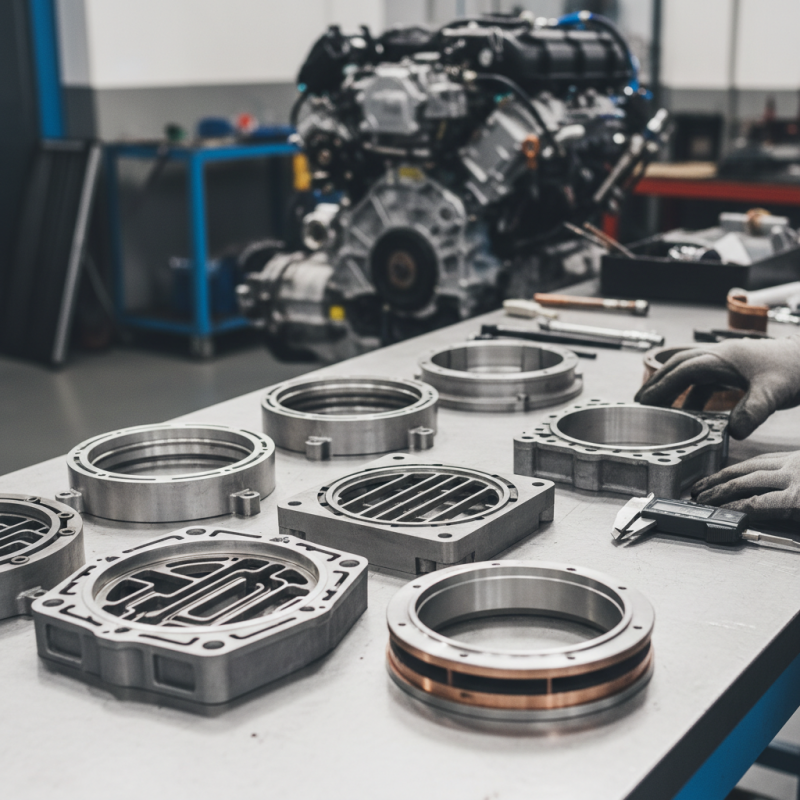
Understanding the Importance of Transmission Oil Coolers
Transmission oil coolers play a critical role in maintaining optimal performance in vehicles. They help regulate the temperature of the transmission fluid, preventing overheating. According to industry reports, nearly 70% of automatic transmission failures are linked to overheating. Proper heat management is essential for prolonging the lifespan of the transmission system.
Understanding the specifics of your vehicle's needs is crucial. Different applications require different cooling capacities. For example, heavy-duty trucks or performance cars often need robust cooling solutions. A poorly matched cooler can lead to inefficient operation. Research indicates that a well-chosen transmission cooler can reduce transmission fluid temperatures by up to 30%. This translates into enhanced performance and improved durability.
When selecting a transmission oil cooler die, factors such as size and airflow must be considered. Failing to address these can result in inadequate cooling. Some die-cast coolers may not fit all models perfectly. This mismatch can cause leaks or reduced efficiency. It’s vital to assess your requirements carefully and seek expert guidance to make an informed decision.
Identifying Your Vehicle's Specific Cooling Requirements
Identifying your vehicle's specific cooling requirements is crucial when selecting a transmission oil cooler die. Each vehicle has unique needs based on its engine size, towing capacity, and driving conditions. Heavy-duty applications, like towing or off-roading, require a cooler that can handle higher temperatures. A lighter vehicle, however, may not need as robust a system. You must consider these factors carefully.
To determine your vehicle's requirements, start with the manufacturer's specifications. Look for information on the recommended oil temperature ranges and cooling system capabilities. Measure the transmission fluid temperature under different driving conditions. This can help identify if your current system is adequate. If temperatures exceed recommended levels, it’s time for a more effective cooler die.
Not all coolers are created equal. Some may not fit the mounting points in your vehicle. You might find that off-the-shelf solutions are too bulky or inefficient for your needs. Be open to exploring custom options. Evaluating your specific circumstances leads to better choices. Sometimes, what works for one vehicle might not suit another, even within the same model line.
Transmission Oil Cooler Types and Their Cooling Capacities
Types of Transmission Oil Cooler Dies Available on the Market
When selecting a transmission oil cooler die, understanding the different types on the market is crucial. There are various designs, each catering to specific needs. Plate and fin coolers are popular due to their compact design. They fit well in tight spaces and offer excellent thermal efficiency. Tube and shell coolers are larger and handle higher capacities. They're ideal for heavy-duty applications, but installation can be more complex.
Another option is the stacked plate cooler. This design combines the benefits of plate and fin with a more robust construction. It provides good cooling performance while being lightweight. Enthusiasts often prefer this type for racing applications due to its reliability. However, not every vehicle may have enough clearance for installation.
Using the right cooler die can prevent overheating and extend transmission life. Improper selection can lead to inefficient cooling or even system damage. It's essential to evaluate your vehicle's specifications and your unique driving conditions. This process may require some trial and error to find the best fit for your needs.
Key Features to Consider When Choosing a Cooler Die
Choosing the right transmission oil cooler die is crucial for optimal performance. Key features determine how well a die will suit your needs. Material quality is a primary consideration. High-grade materials resist corrosion and heat effectively. This can enhance the longevity of your equipment.
Size is another critical factor. A cooler die that is too large or small can compromise efficiency. Ensure the dimensions align with your vehicle's specifications. Also, look for compatibility with various models. A versatile die can be more reliable for different applications.
Don't overlook the design features. A well-designed cooler die promotes efficient oil flow. This can lead to better cooling performance. However, designs may vary, and some may be more complex. It’s important to assess whether the complexity adds value for your specific needs. This ensures you make an informed decision tailored to your situation.
Installation and Maintenance Tips for Optimal Performance
Installation and maintenance are crucial for the longevity of your transmission oil cooler die. Poor installation can lead to overheating, which can damage your transmission. It's reported that up to 30% of transmission failures may stem from inadequate cooling. Properly secure the unit and check all connections for leaks. Use OEM-compatible fittings for a snug fit.
Routine maintenance is equally important. Regularly inspect the cooler for debris and blockage. A clean cooler can improve efficiency by up to 15%, according to industry data. Always replace worn-out seals and hoses to prevent fluid leaks. It’s not unusual for a cooler to be overlooked until a problem arises, leading to costly repairs.
Tips: Always consult your vehicle's manual. This ensures you're following the manufacturer's specifications. Consider using a temperature gauge to monitor the fluid’s heat levels. If temperatures exceed recommended ranges, this indicates potential issues. Pay attention to these signs to maintain optimal performance of your transmission system.
How to Choose the Right Transmission Oil Cooler Die for Your Needs? - Installation and Maintenance Tips for Optimal Performance
| Feature | Description | Recommended Use |
| Cooling Capacity | Measures the ability to dissipate heat from the transmission fluid. | High-performance vehicles or towing applications. |
| Material | Common materials include aluminum and steel, affecting durability and weight. | Racing or off-road use may require stronger materials. |
| Size | Refers to the dimensions of the cooler which influences installation compatibility. | Ensure fitment with vehicle model when selecting size. |
| Mounting Style | Varies between universal and vehicle-specific mounts affecting installation ease. | Choose based on aisle space and existing setup. |
| Flow Rate | The rate at which transmission fluid passes through the cooler. | Higher flow rates are needed for heavy-duty applications to avoid overheating. |
| Price Range | Varies widely based on specifications and brand, affecting budget considerations. | Evaluate based on performance needs and budget constraints. |