Why Choose the Right Flotation Equipment for Your Project?
Choosing the right Flotation Equipment impacts project success significantly. Experts agree on its importance. Dr. John Smith, a leading authority in the flotation industry, states, "The right equipment can make or break your project." This emphasizes the critical role flotation equipment plays in resource extraction.
Flotation equipment varies widely in design and function. Selecting the appropriate type can enhance recovery rates. It ensures efficient separation of materials, which is crucial for operational effectiveness. Without proper flotation equipment, projects may face delays and increased costs.
Many project managers overlook the specific requirements for their flotation needs. They might choose equipment based on cost alone. This decision can have long-term implications. Proper analysis of flotation systems is essential. Reflecting on past projects can guide future decisions toward achieving optimal results.
Understanding the Importance of Flotation Equipment in Mining Projects
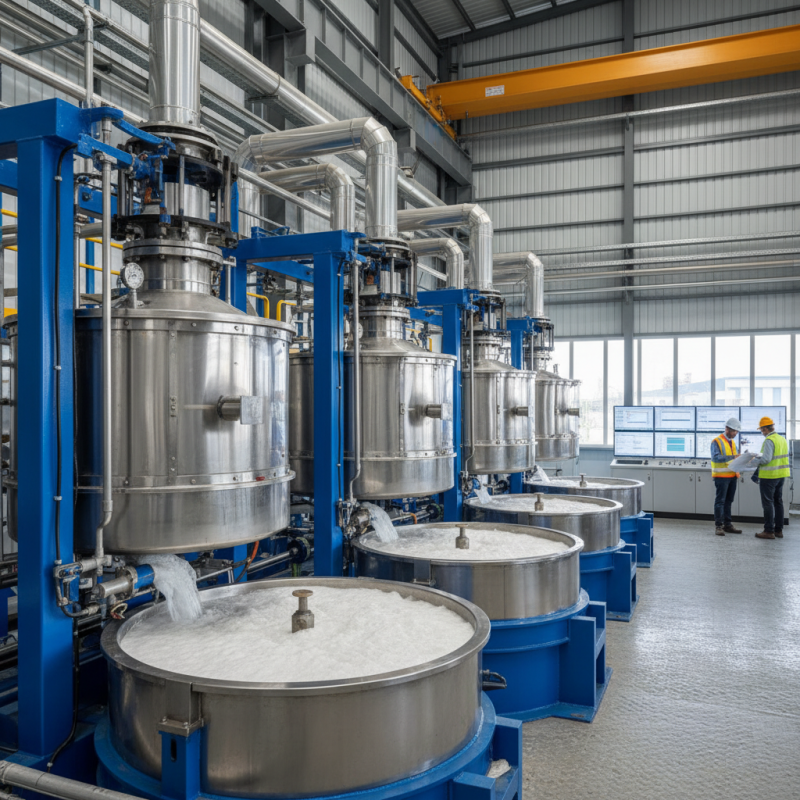
Flotation equipment plays a critical role in mining projects. It separates valuable minerals from waste materials. The effectiveness of this equipment directly impacts overall project success. Choosing the right flotation system can enhance recovery rates and reduce operational costs.
When selecting flotation equipment, consider factors like mineral type and particle size. A system's design and configuration must align with project goals. Effective flotation maximizes recovery efficiency. Poor choices can lead to suboptimal results. The wrong equipment may complicate operations and increase maintenance costs.
Tips: Always evaluate multiple options. Consult with experts to understand the nuances of flotation technology. It's important to analyze past project outcomes for better decision-making. Seek feedback on equipment performance from industry peers. A thoughtful approach can prevent costly mistakes. Choose wisely to ensure a sustainable project trajectory.
Key Factors Influencing the Selection of Flotation Equipment
The selection of flotation equipment is crucial for any successful project. Several key factors should be considered. First, the type of material you are processing significantly influences the equipment choice. For example, mineral density and size dictate the aeration and mixing requirements. Each unique material may require tailored flotation solutions for effective extraction.
Furthermore, the operational scale of your project cannot be overlooked. Larger facilities may need more robust and efficient systems for higher throughput. On the other hand, smaller operations might benefit from compact, easily adjustable units. Cost-effectiveness also plays a pivotal role in the decision-making process. Balancing initial investment with long-term operational costs is vital for sustaining project profitability.
Finally, ensure you consider environmental impacts. Sustainable practices are becoming increasingly important. Equipment that maximizes recovery while minimizing waste will enhance project credibility. However, not all options are perfect. Sometimes, compromises are necessary, leading to potential inefficiencies. Regular assessment and adaptation of your flotation strategy are essential for ongoing success.
Comparative Analysis of Different Flotation Techniques and Their Applications
Choosing the right flotation equipment is crucial for project success. Different flotation techniques, such as mechanical flotation, column flotation, and dissolved air flotation, serve various purposes. Recent studies indicate that mechanical flotation remains the most common method, accounting for over 60% of the market share in the mineral processing sector.
Column flotation offers benefits in specific applications, particularly in achieving cleaner concentrates. According to research, this method can enhance recovery rates by 5-15% compared to traditional mechanical methods. The performance of flotation equipment is heavily influenced by particle size and hydrophobicity. Adjusting these parameters can lead to improved efficiency, but it requires expertise and careful consideration.
Tips: Always consider the characteristics of your feed material before selecting flotation equipment. A mismatch can lead to suboptimal results. Regular maintenance of flotation cells ensures consistent performance and extends machinery lifespan. Finally, keep abreast of new technologies and methodologies. They can potentially provide better efficiency and lower operational costs. The right choice is critical. Reflecting on past projects can provide insights into what works best.
Industry Standards and Best Practices for Flotation Equipment Maintenance
Flotation equipment is crucial for many industries, especially in mineral processing. Proper maintenance is vital to ensure optimal performance. Industry standards suggest that regular inspections and maintenance should occur at least every six months. This minimizes unexpected downtime and enhances productivity.
According to a report by the International Journal of Mineral Processing, poorly maintained flotation cells can lose up to 15% of recovery efficiency. Regularly monitoring wear and tear will help catch issues early. Often, equipment issues could have been avoided with routine checks. Using predictive maintenance techniques can extend lifespan and improve reliability.
Tips: Schedule regular downtime for thorough inspections. Document maintenance activities to recognize trends. Educate your team on basic troubleshooting.
Neglecting flotation equipment can lead to costly repairs. Understanding these systems involves both experience and technical knowledge. An assessment from a reputable body can enhance operational standards. Continuous training on the latest practices keeps your project aligned with industry benchmarks.
Flotation Equipment Maintenance Best Practices
Impact of Flotation Equipment Efficiency on Project ROI and Sustainability
Choosing the right flotation equipment significantly impacts your project's return on investment (ROI) and sustainability efforts. Efficient flotation systems enhance mineral recovery while reducing waste. This dual benefit creates a favorable balance between profit and environmental responsibility.
Investing in high-efficiency flotation equipment often seems costly upfront. However, overlooking these options can lead to higher operational costs and lower recovery rates. Inefficient equipment may also result in higher energy consumption. This can hinder your project's sustainability goals. A thoughtful selection process is crucial.
Tips for selecting flotation equipment:
- Evaluate the specific needs of your project.
- Consult with industry experts early.
- Assess the total cost of ownership, not just the initial purchase price.
- Don't ignore maintenance requirements; simpler systems may reduce long-term costs.