



Hydropower is a major part of the global electricity system, but reliable output depends on more than the turbine itself. IRENA’s Renewable Capacity Statistics 2024 reports approximately 1,412 GW of installed hydropower capacity worldwide at the end of 2023. That scale makes control decisions consequential. A Hydro Turbine Controller must respond to real operating conditions, not just brochure specifications. Small details matter.
The right choice depends on turbine type, site layout, operating range, and the generator’s electrical characteristics. It also depends on how quickly the system must respond to load changes and how operators monitor it. IEC 61362:2012 provides guidance for specifying hydraulic turbine governing systems, offering a useful technical reference during evaluation. Still, a standard cannot replace site-specific engineering. A neat specification sheet can miss the practical constraints of an older plant or a remote installation.
This guide examines the factors that deserve close attention: control functions, compatibility, protection, monitoring, maintenance, and supplier support. It also considers whether a digital governor, retrofit, or simpler configuration best fits the project. The cheapest option may not be the least costly to operate. Nor is the most advanced controller automatically the best one. That judgment takes careful review. Engineers should compare verified performance data with actual operating needs, and document assumptions before purchase. A little uncertainty is normal; ignoring it is not.
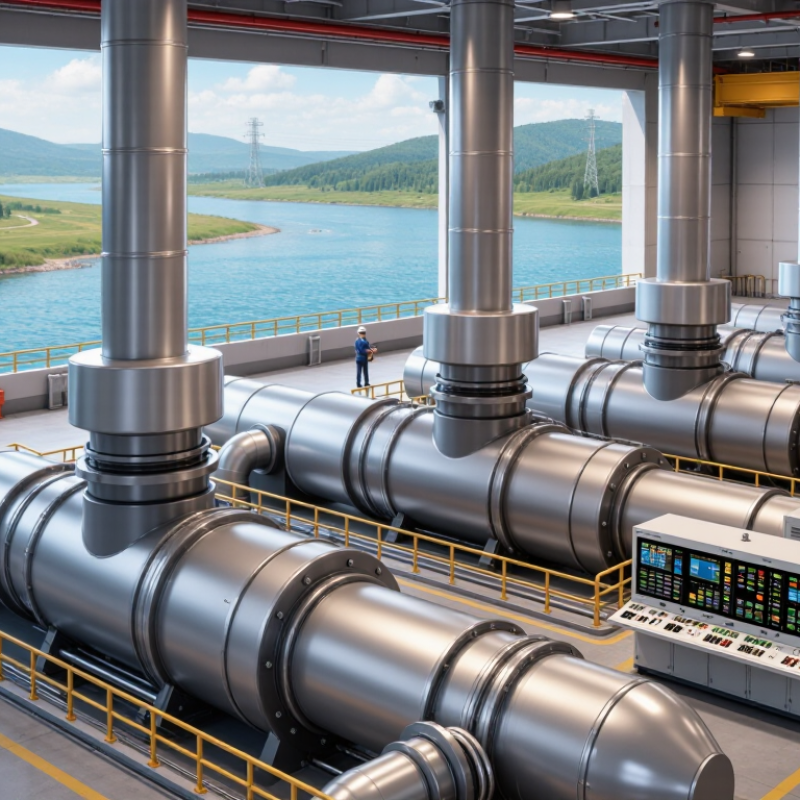
A hydro turbine controller is the plant’s real-time decision system. It reads speed, water level, pressure, and electrical signals, then adjusts guide vanes or nozzles to match turbine output with demand. In a grid-connected plant, the governor helps maintain rotational speed and supports frequency response; in an isolated system, a sudden load change can make that job especially visible. The controller also coordinates alarms and protective actions, but it does not replace sound mechanical design or operator judgment. Small details matter: a sluggish actuator may leave a unit hunting after a load step. Not just software.
The scale is substantial. IRENA’s Renewable Capacity Statistics 2024 reports about 1,412 GW of installed hydropower capacity worldwide at the end of 2023. That figure describes generating capacity, not controller performance, but it shows why dependable coordination matters across varied sites and operating conditions. When choosing a controller, match it to the turbine type, operating head and flow range, generator, and whether the plant operates alone or alongside a grid. Check sensor compatibility, actuator response, alarm history, and how the system behaves when a signal fails.
A useful specification also distinguishes turbine governing from generator excitation. Governing regulates water input and mechanical speed; excitation manages generator voltage and reactive power. These functions may communicate, but they are not interchangeable. Ask for documented response tests under realistic load changes, plus clear manual fallback procedures. IEA’s Hydropower Special Market Report (2021) describes hydropower as a major source of flexible electricity, yet flexibility depends on the whole plant—not a controller alone. I would still question any selection based only on a feature list. A site’s actual water conditions can be less tidy than the design sheet.
| Selection Factor | What to Check | Controller Role or Requirement | Practical Selection Guidance |
|---|---|---|---|
| Turbine and generator type | Identify the turbine (such as Pelton, Turgo, crossflow, or Francis) and whether the generator is synchronous or induction. | The controller must use a control method compatible with the turbine’s water-control equipment and the generator’s electrical characteristics. | Confirm compatibility with the turbine and generator suppliers before choosing a controller. A system designed for one generator arrangement may not suit another. |
| Electrical operating mode | Determine whether the installation operates as an isolated system or connects to a utility grid. | Isolated systems need to maintain local voltage and frequency as loads change. Grid-connected systems must coordinate with grid protection and interconnection requirements. | Choose controls specifically designed for the intended operating mode. Grid connection requires appropriate protection and compliance with local electrical rules. |
| Load variation | Estimate how quickly and widely consumer demand can change, including sudden load rejection. | An electronic load controller can help regulate frequency in suitable isolated systems by diverting surplus electrical power to a ballast or dump load. | Check that the controller and dump load are rated for the generator output and expected operating conditions. A dump load needs suitable ventilation and thermal protection. |
| Water-flow control | Check whether the turbine has controllable guide vanes, a spear or needle, wicket gates, or another actuator. | A governor can regulate turbine input by adjusting the water-control mechanism, helping match mechanical power to electrical demand. | For turbines with actuated water controls, verify actuator force, travel, response time, and fail-safe behavior with the turbine designer. |
| Control approach | Compare electrical load control with mechanical or electro-hydraulic governing. | Load control manages surplus power electrically; governing changes turbine input. Some installations use coordinated control functions. | Base the choice on plant design, load profile, water-conveyance limits, maintenance skills, and the required response to faults—not on controller type alone. |
| Protection and safety | Review overspeed, overcurrent, overvoltage, under/over-frequency, short-circuit, and emergency-shutdown provisions. | Protection functions help disconnect or reduce output during abnormal conditions. Control equipment does not replace correctly rated electrical protection. | Confirm protective-device coordination, grounding, enclosure rating, and shutdown logic with a qualified electrical engineer. |
| Site conditions | Assess temperature, humidity, dust, vibration, flooding risk, cable runs, and available installation space. | The controller enclosure, sensors, wiring, and actuators must be suitable for the actual installation environment. | Check environmental ratings and mounting requirements. Place control equipment where it can be inspected and serviced while protected from water ingress. |
| Monitoring and maintenance | Decide which readings and alarms operators need, such as voltage, frequency, power, temperature, and fault status. | Useful monitoring supports troubleshooting and helps operators identify changing operating conditions. | Choose a control system with clear indicators, accessible settings, documented wiring, and locally serviceable components. |
| System sizing and verification | Use the generator rating, turbine operating range, expected load, actuator specifications, and site-specific electrical design. | Controller ratings and settings must match the complete hydroelectric system, including sensors, switching devices, and any dump load. | Have final sizing, settings, and commissioning checks completed by qualified professionals. Avoid selecting equipment from generator rating alone. |
Note: The appropriate controller depends on the complete turbine-generator system, operating mode, site conditions, and applicable electrical codes.