How to Choose the Right Mud Pump Valve?
Choosing the right Mud Pump Valve begins with the conditions inside the pump, not just the catalog description. Mud weight, flow rate, operating pressure, and solids content all affect valve life. A valve working with abrasive mud may wear faster than one handling cleaner fluid. Even small differences in seat fit can cause leakage, pressure loss, and unplanned downtime. Check the pump model and manufacturer’s specifications before comparing materials or designs.
A useful selection also considers temperature, liner size, maintenance access, and replacement-part availability. Inspect used valves for chipped edges, uneven wear, and damaged elastomer inserts; these details can reveal operating problems. As a clearly illustrative, fictional drilling-equipment specialist, Alex Morgan, puts the practical principle this way: “Choose for the fluid, pressure, and pump—not for price alone.” This is an original editorial line, not a sourced quotation. That distinction matters. A low-cost valve may look suitable on paper, yet fail early under abrasive service. Conversely, a premium option may add little value in a mild-duty application. Compare verified specifications, consult the pump maker, and review maintenance records before deciding. No single valve fits every rig. The sections ahead explain how to assess valve types, materials, compatibility, service conditions, and replacement timing, so your choice rests on evidence rather than guesswork.
Understand the Role of Valves in a Mud Pump
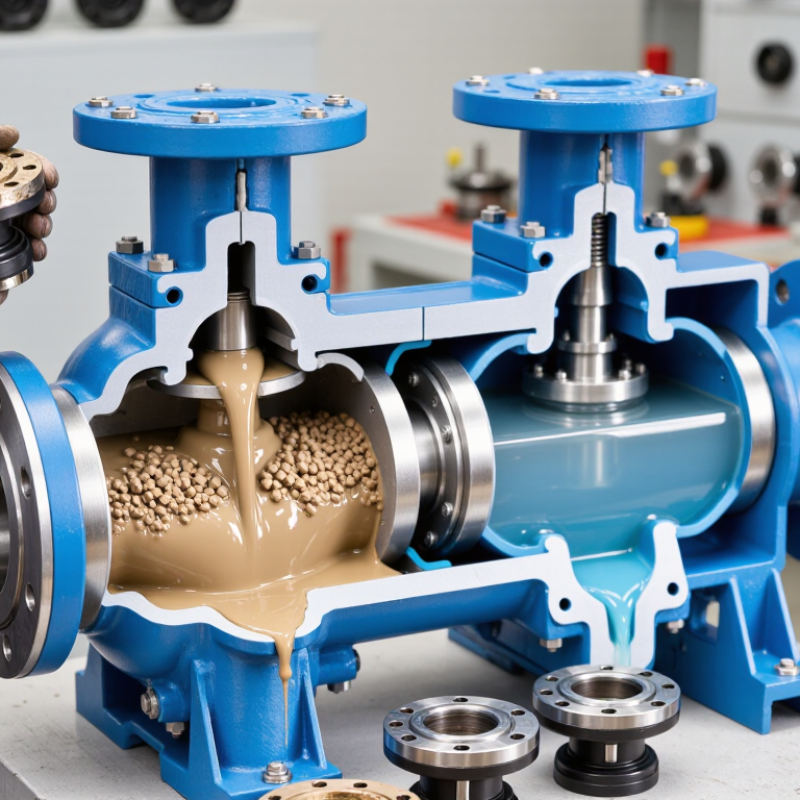
Mud pump valves control the one-way movement of drilling fluid through each pump cylinder. In a typical triplex pump, three plungers create suction and discharge strokes. Each cylinder uses one suction valve and one discharge valve, giving six valve assemblies in total. Small parts. Big consequences. A leaking valve reduces delivered flow and can cause pressure fluctuations, heat, and faster wear across the fluid end. The IADC Drilling Manual describes this reciprocating-pump arrangement; API Specification 7K covers drilling and well-servicing equipment, including mud pumps.
Valve choice should match the fluid, pressure, stroke rate, and maintenance conditions—not just the pump model. Abrasive solids can score a seat, while poor elastomer compatibility may cause swelling or cracking. Check the manufacturer-neutral operating data: rated pressure, valve dimensions, seat material, and recommended service limits. A pressure rating alone is not enough. In field inspection, uneven seat contact or chipped inserts can signal a problem before a valve visibly fails. Yet inspection records are sometimes incomplete; that makes wear trends harder to trust. Compare returned parts with pump pressure and flow logs, then confirm the selection against API 7K requirements and the IADC guidance.
How to Choose the Right Mud Pump Valve?
Understand the Role of Valves in a Mud Pump
This schematic shows the idealized valve sequence in one reciprocating pump cycle: the suction valve opens as the piston draws fluid in, while the discharge valve opens as the piston pushes fluid out. Actual valve timing varies with operating conditions. When selecting valves, check compatibility with the pump fluid end and operating pressure, and consider the mud’s solids content, abrasion, and chemical compatibility.
Identify Pump Specifications and Operating Conditions
How to Choose the Right Mud Pump Valve?
Identify Pump Specifications and Operating Conditions
Choosing a mud pump valve starts with the pump’s documented specifications, not its appearance. Confirm the valve type and dimensions, including outside diameter, guide profile, and seat angle. Check the manual for rated pressure, maximum stroke rate, and compatible valve assemblies. A part that looks close may still sit unevenly. That small mismatch can cause leakage, heat, and faster wear. Record measurements before ordering; an eroded valve may no longer match its original dimensions.
Next, consider the fluid and working conditions. Note mud density, solids size, additives, and temperature. Abrasive sand can wear sealing faces, while thick, high-solids mud may slow valve movement. Check actual discharge pressure and cycle rate, including startup peaks—not only average readings. Inspect used valves for uneven polishing, chipped edges, or embedded grit. These marks can suggest a problem, but they rarely prove one cause. If conditions vary by shift, compare the valve with the toughest normal operating range. Field notes can be incomplete, so verify them against operating logs.
Tips: Keep a record of valve dimensions, fluid conditions, and failure signs. Small details matter. When the cause remains unclear, review the pump manual and consult a qualified technician before changing valve materials or design.
Compare Valve Types, Sizes, and Material Options
Mud-pump valves must match the fluid end, not just the pump’s stated capacity. Compare flat, wing-guided, and spherical designs against the pump manual: each guides flow and supports sealing differently. Check the valve, seat, spring, and guide as a set. A close-looking valve can still seat poorly. API Specification 7K provides requirements for drilling and well-servicing equipment, but pump-specific dimensions remain essential.
Size the valve to the manufacturer’s specified seat and fluid-end configuration. Do not estimate from liner size alone. The wrong fit can cause uneven contact, leakage, and faster wear. For abrasive mud, inspect how solids may collect around the guide and seat. Small details matter. Record measured wear during maintenance; that record is more useful than a guess based on appearance.
Material choice depends on mud chemistry, temperature, pressure cycling, and solids. Alloy-steel components can handle demanding service, while elastomer inserts need compatibility checks against the fluid and operating temperature. API Spec 7K is a useful compliance reference, not a substitute for application data or inspection. A practical selection compares valve geometry, exact dimensions, and material compatibility together. It is easy to overfocus on hardness; that may be the wrong call when sealing materials face chemical attack.
Assess Pressure Capacity, Wear Resistance, and Service Life
A mud pump valve must tolerate the pump’s rated working pressure, not just a brief pressure spike. Check the pump data sheet and API Specification 7K documentation before selecting a valve; the standard covers drilling and well-servicing equipment, but it does not promise a universal valve life. Keep a pressure margin appropriate to the pump and operating conditions. A valve that repeatedly operates near its limit may deform or leak sooner. Small details matter. Watch for pressure fluctuations, slow pressure recovery, and fluid bypass during routine checks.
Wear resistance needs evidence, not a hard-sounding material name. ASTM G65 measures abrasive wear using a dry-sand and rubber-wheel test, with five procedures for different wear conditions. It can help compare material samples, but it does not fully reproduce abrasive drilling mud, heat, or impact inside a pump. One caveat: lab abrasion is not a mud pit. Compare test results with field records, including hours or pump strokes between replacements, leakage observations, and inspection photos. Track the same operating conditions when possible. If valve life varies widely between wells, the data may be telling you more about solids, pressure spikes, or maintenance than the valve itself. That distinction is easy to miss.
Verify Fit, Maintenance Needs, and Supplier Standards
A mud pump valve must match the fluid end, not just the pump model. Check valve dimensions, seat profile, spring arrangement, and material against the equipment drawing. Then compare them with the actual mud: solids content, temperature, and operating pressure all affect wear. A valve that fits on the bench may still leak under load. Fit matters.
Maintenance needs should be practical. Ask how often the valve and seat require inspection, whether parts are interchangeable, and what wear limits the supplier recommends. Record run hours, leakage, and change-out reasons; IADC daily drilling reports provide a way to track operational time and nonproductive time by activity. That makes comparisons more useful than memory alone. It is easy to overlook.
Supplier standards deserve the same scrutiny as dimensions. Request material traceability, pressure-test records, and documented quality controls, then check that ratings align with API Spec 7K requirements for drilling equipment. The IEA’s World Energy Investment 2024 estimated upstream oil and gas investment at about $570 billion for 2024, underscoring the value of controlling equipment lifecycle costs. Still, a certificate cannot predict every failure. Ask for clear warranty terms and field-support response times, and review past inspection data where available. A neat catalog match is not enough.