

Request a free quote Phone Icon
die cutting materials

Blog

How to Choose the Right Multi Adapter Wiper Blades?

Choosing the right multi adapter wiper blades starts with your vehicle, not the product photo. A blade may include several connectors, but that does not mean every connector suits every wiper arm. Check your owner’s manual or a reliable vehicle fitment guide for the required blade lengths and arm style. Then compare the listed adapter with the connector on your car. Fit matters.

A secure connection should sit flush and lock without force. If it feels loose, or the latch will not close, stop and recheck the fitment information. A poor match can cause uneven wiping, noise, or a blade that shifts across the windshield. Small detail, real consequence. The term Multi Adapterwiper may describe a blade supplied with several fittings, but compatibility still depends on your vehicle and the specific adapter included.

This guide explains how to check blade size, identify common arm connectors, and assess practical features such as frame design and replacement instructions. It also covers signs of a bad fit, including streaks that remain after the glass is clean and wet. Do not assume that a higher price guarantees better performance; clear compatibility details and a dependable locking connection matter more. Even careful shoppers can overlook a small connector difference. Rechecking the vehicle’s specifications before buying is worthwhile, especially when replacing blades for the first time.
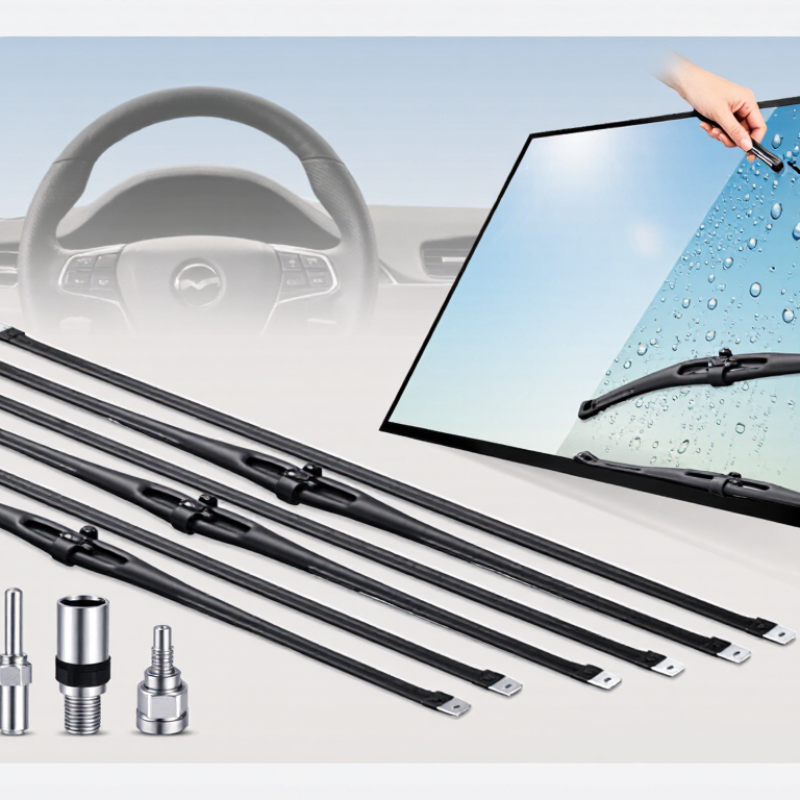
How to Choose the Right Multi Adapter Wiper Blades?

Identify Your Vehicle’s Wiper Arm Type and Connector

Before buying a multi-adapter wiper blade, identify the vehicle’s wiper arm and connector. Common types include J-hook, side-pin, bayonet, and top-lock. Check the owner’s manual, then compare its connector diagram with the exposed arm. Lift the arm carefully and inspect the joint; dirt or a plastic cover can hide the release tab. Fit matters. A similar-looking adapter may still sit loosely or fail to lock.

The Federal Highway Administration’s weather-crash analysis for 2007–2016 reports that about 21% of crashes involved weather, with 70% on wet pavement and 46% during rainfall. These figures do not measure wiper failures, but they show why clear visibility matters in rain. Match the adapter to the arm, not just the blade length. A quick visual match can mislead.

After attaching the blade, tug it gently and check that the locking tab is fully seated. Then lower the arm onto the glass and test the wipers with washer fluid. Listen for clicking or watch for uneven movement. If the connector rocks, disengages, or needs force, stop and recheck the arm type and adapter instructions. Fitment charts can be imperfect, so confirm against the vehicle manual when details conflict.

Measure the Required Wiper Blade Lengths

Measure each wiper separately. Many vehicles use different lengths on the driver and passenger sides, and rear blades may differ again. Check the owner’s manual or vehicle fitment guide before measuring. If measuring an old blade, remove it and measure the rubber wiping element from tip to tip—not the adapter or metal frame. A worn blade can be distorted. Measure twice.

When the original blade is missing, measure the usable sweep area carefully and confirm the result against a reliable fitment chart. Do not choose a longer blade simply to cover more glass. It may hit the windshield trim, overlap the other blade, or lift at the edge. Multi-adapter designs add another check: confirm the connector fits your wiper arm, because the correct length alone does not guarantee a secure fit.

Accurate sizing matters for visibility. The Federal Highway Administration reports that about 21% of vehicle crashes are weather-related; roughly 70% occur on wet pavement, and 46% during rainfall. These figures do not isolate wiper-related crashes, but they show why clear vision deserves attention. After fitting, test the blades with washer fluid and watch for missed arcs, chatter, or contact between blades. Even careful measurements can be off by a little. Recheck before driving in rain.

Compare Multi-Adapter Compatibility and Blade Designs

Choosing a multi-adapter wiper blade means checking the connector and the blade design separately. A blade may include several clips, yet still lack the exact fitting your vehicle needs. Start with the vehicle’s year, make, model, and wiper-arm type. Compare the supplied adapter shapes with the arm, not just the package label. A hook arm, for example, needs a secure latch with no side-to-side play. Fit matters.

Then compare conventional frame-style blades with beam-style designs. Frame blades have linked supports that press the rubber edge against the glass. Beam blades use a curved structure and can suit windshields with pronounced curvature. Neither design is universally better. Check that the blade length matches the vehicle specification, and inspect whether the adapter locks firmly after installation. A compatibility chart can miss older trims or replacement arms. That detail is easy to overlook.

The Federal Highway Administration’s road-weather data attributes about 46% of weather-related crashes to rainfall and about 70% to wet pavement. These figures describe crash conditions, not wiper performance, but they show why clear vision in rain matters. Before driving, test the installed blade with washer fluid and watch for skipped patches, chatter, or loose movement. Test it dry only briefly; prolonged dry wiping may wear the rubber. If the fit seems uncertain, recheck the arm type rather than forcing the adapter.

Choose Materials for Your Driving Climate

Climate should guide your wiper blade material more than appearance. In hot, sunny regions, ultraviolet exposure and high windshield temperatures can harden conventional rubber sooner. Silicone compounds often resist heat and ozone well, but they may cost more and are not automatically quieter. In freezing areas, flexible rubber can help the wiping edge follow the glass. Ice can still damage or lift a blade. No material prevents that.

Tips: Check the stated operating-temperature range before buying. Clear heavy ice before using the wipers, and rinse road salt from the blades when practical. A quick inspection can reveal cracks, stiffness, or a torn edge.

For frequent rain, choose a blade material designed to maintain steady glass contact and resist wear from repeated use. A multi-adapter design helps connect the blade to different arm types, but the adapter does not improve the wiping material itself. Confirm the connector matches your vehicle and follow the fitting instructions. Climate is only part of the decision: parking outdoors, washing habits, and local road conditions also affect blade life. Material choice is not magic, and replacing blades by appearance alone can be misleading. A streak after a few passes may signal dirt, poor fit, or wear—not necessarily the wrong material.

How to Choose the Right Multi Adapter Wiper Blades? — Choose Materials for Your Driving Climate

Compare the material characteristics that matter most in different climates. Scores are relative selection priorities from 1 (lower) to 5 (higher), not laboratory test results or ratings of specific products.

In cold, snowy conditions, prioritize low-temperature flexibility and resistance to ice-related wear. In hot, sunny regions, look for compounds designed to withstand heat and UV exposure. For frequent rain, prioritize a durable wiping edge and smooth, consistent contact. Check the product’s stated temperature range and your vehicle’s adapter fit before buying.

Verify Fitment and Test the Installed Blades

Confirm the vehicle’s year, make, model, and wiper-arm type before choosing a multi adapter blade. Fitment charts help, but arm designs can vary within the same model year. Compare the supplied adapters with the original connector, then press the selected adapter into place until it locks. Do not force it. I would not trust a click alone; gently tug the blade to check that it stays secure.

With the vehicle parked, lift each arm carefully and check that the blade sits straight against the glass. Lower the arms without letting them snap back. FHWA estimates that about 1.2 million crashes occur annually in weather-related conditions. That figure does not mean worn wipers cause those crashes, but it shows why clear visibility matters. Test the blades with washer fluid, then run low and high speeds. Watch the full sweep. Look for missed arcs, streaks, chatter, or an edge lifting from the windshield.

Small defects matter. A blade may appear fitted yet leave a thin, cloudy strip near the driver’s line of sight. If it chatters, check for trapped dirt, uneven pressure, or a loose adapter before replacing parts. Recheck after the first few wet drives; installation can seem fine while parked, then behave differently under real rain.