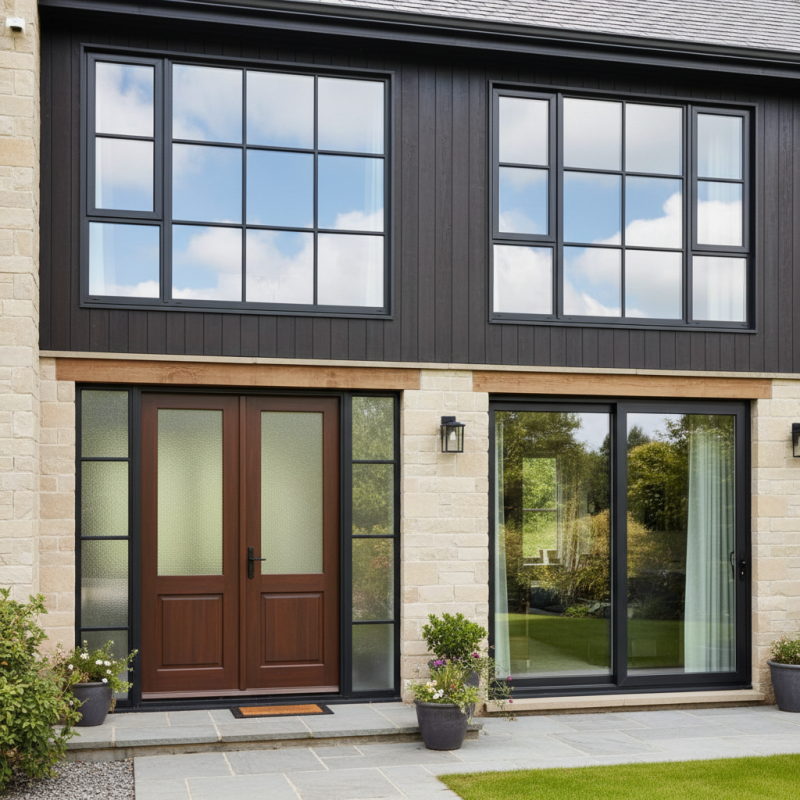
How to Choose the Right Window and Door for Your Home?
Choosing the right Window & Door for your home is crucial. It impacts both aesthetics and functionality. The right selection enhances energy efficiency and improves security. With numerous styles and materials available, homeowners face tough choices.
Consider your home's architectural style. A mismatched Window & Door could disrupt the visual harmony. Are you drawn to traditional wooden frames or sleek modern designs? Each option carries different maintenance needs and durability factors. Discussing options with professionals can help clarify your preferences.
Reflect on practicality too. Windows can influence natural light levels and ventilation. Doors, on the other hand, provide entry points and safety. Think about your location and climate. Are your choices suitable for potential weather impacts? Understanding these aspects leads to better decisions for lasting satisfaction.
Understanding Different Types of Windows and Doors Available
When choosing windows and doors, it’s crucial to understand the options available. There are various types of windows, such as double-hung, casement, and sliding. According to the American Architectural Manufacturers Association, over 60% of homeowners prefer double-hung windows due to their classic design and ease of cleaning. Each window style has distinct features, addressing functionality and aesthetic needs.
Doors also come in different varieties. Entry doors, patio doors, and French doors can enhance your home’s exterior. A recent survey by the National Association of Home Builders highlighted that 55% of respondents prioritize energy efficiency when selecting doors. This can impact heating and cooling costs significantly.
However, picking the right window and door isn’t just about features. It requires careful consideration of your home’s architecture and climate. Not every style fits every setting. For instance, a specific model may look appealing but might not offer the required insulation for colder regions. Balancing style, efficiency, and practicality is key to making the right choice.
Evaluating Energy Efficiency Ratings for Windows and Doors
When choosing windows and doors, energy efficiency is key. The U.S. Department of Energy reports that windows account for 25-30% of residential energy use. Improved energy efficiency can reduce your utility bills significantly. Look for windows with a low U-factor, which indicates better insulation. A U-factor below 0.30 is generally preferable.
Additionally, consider the Solar Heat Gain Coefficient (SHGC). This rating measures how much solar radiation passes through a window. An SHGC of 0.25 or lower can help keep your home cool. Energy Star certified products often meet these standards and are worth exploring.
Tips: Always check for local climate ratings. Choose windows that suit your area’s weather and energy needs. It’s also wise to assess the materials. While vinyl is popular, wood may offer better insulation. Reflect on the style as well. Sometimes, aesthetic choices can compromise efficiency. Balancing these elements is essential for optimal performance.
Assessing Aesthetic Styles to Match Your Home's Design
Choosing the right windows and doors for your home involves more than functionality. Aesthetic styles significantly impact your home's overall design. Each style communicates a feeling and enhances the character of your living space. From modern to traditional, ensure your choices align with your home's architecture.
When assessing styles, consider your home's existing color palette and materials. For instance, wooden doors can add warmth to a rustic home, while sleek glass doors look stunning on modern designs. Pay attention to details, like the window trim and handle designs, as these elements complete the picture.
**Tips:** Compare options in natural light. This allows you to see true colors and textures. Don't hesitate to mix styles—it can create visual interest. Observe your neighbors’ homes for inspiration, but ensure your choices reflect your taste and lifestyle.
Considering Security Features in Window and Door Selection
When choosing windows and doors, security should be a top priority. Many homeowners overlook this aspect. A sturdy door can deter intruders, while weak options may invite trouble. Look for materials like steel or solid wood. These materials provide increased strength and resistance to forced entry. Double-check the locking mechanisms; some are simply not reliable.
Windows play a critical role too. Shatter-resistant glass can be a game changer. It delays entry, giving you or the police more time to respond. Consider window screens as well. They can keep out unwanted visitors, both human and critters. Also, tinted or frosted glass can provide an extra layer of privacy.
Think about where your windows and doors are located. Entry points hidden by landscaping might not be the best choice. Security lighting can enhance visibility at night, acting as a deterrent. Be honest with yourself about your current security measures. Are they adequate? Taking the time to evaluate and improve can make a significant difference in your home’s safety.
Budgeting for Window and Door Installation and Maintenance Costs
When budgeting for window and door installation, consider the overall costs. According to industry data, homeowners spend an average of $300 to $1,000 per window. This range includes materials and labor. It's important to account for both installation and maintenance costs over time.
Maintenance can add up. Many homeowners overlook these expenses. Regular maintenance might cost between $100 to $400 annually. This includes cleaning, sealing, and repairs. Ignoring these tasks can lead to higher costs later.
It's wise to plan for unexpected expenses. Issues like frame damage or poor insulation can arise. A report by the National Association of Home Builders states that about 30% of homeowners face unplanned costs during installation. Preparation for these scenarios can save headaches and money in the long run.