The Future of CNC Cutting in 2025 Trends Techniques and Innovations
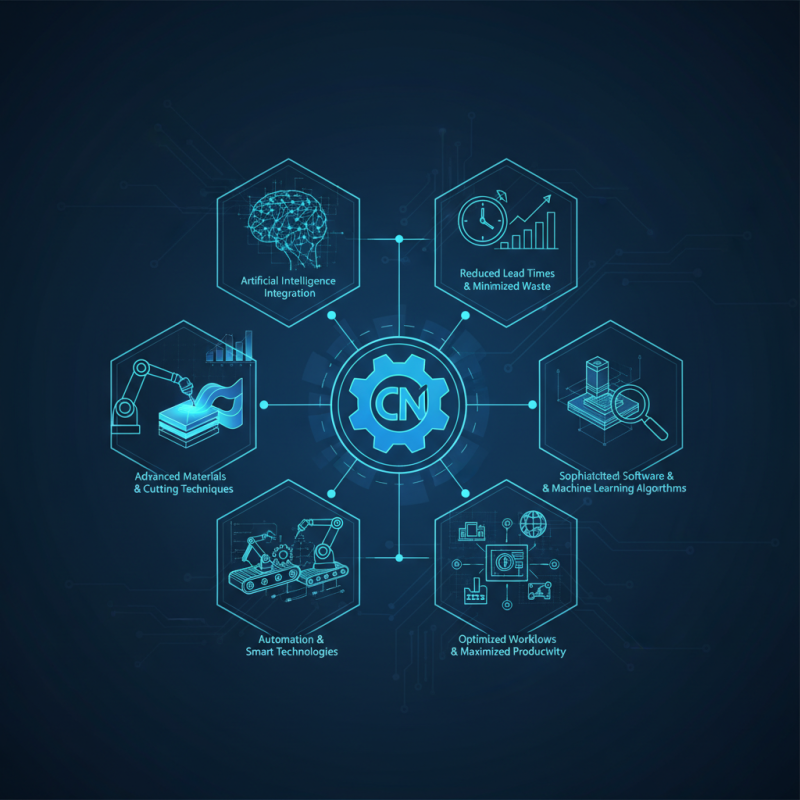
As we look towards 2025, the landscape of CNC cutting is poised for remarkable advancements that will redefine manufacturing processes across various industries. The increasing demand for precision, efficiency, and customization in production methods is driving the need for constant innovation in CNC cutting technologies. From the integration of artificial intelligence to enhance operational efficiency, to the adoption of advanced materials that push the boundaries of traditional cutting techniques, the future promises to be an exciting frontier for manufacturers and designers alike.
Moreover, emerging trends such as automation and the use of smart technologies will play a pivotal role in shaping the capabilities of CNC cutting. With the potential for reduced lead times and minimized waste through sophisticated software and machine learning algorithms, businesses will be able to optimize their workflows and maximize productivity. As we delve deeper into the specifics of these trends, techniques, and innovations, it is evident that CNC cutting will not only adapt but thrive in an increasingly complex manufacturing ecosystem, ensuring that it remains at the forefront of industrial evolution.
Emerging Trends in CNC Cutting Technologies for 2025
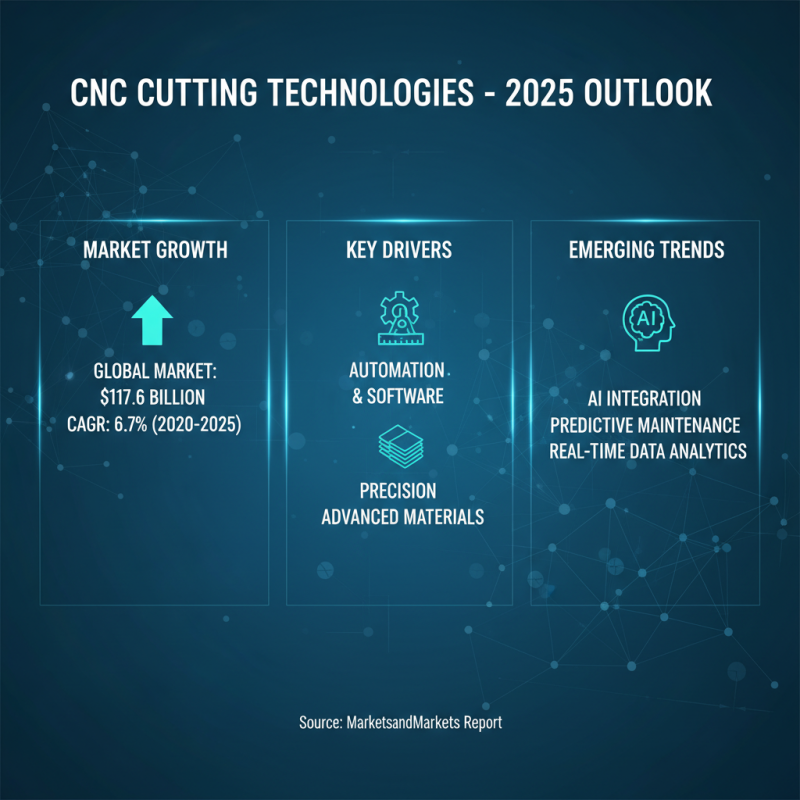
The landscape of CNC cutting technologies is poised for significant transformation by 2025, driven by advancements in automation, software integration, and material usage. According to a report by MarketsandMarkets, the global CNC machine market is projected to reach USD 117.6 billion by 2025, reflecting a CAGR of 6.7%. This growth is largely fueled by the increasing demand for precision in manufacturing processes across various industries, including aerospace, automotive, and electronics. One of the prominent emerging trends is the integration of Artificial Intelligence (AI) into CNC systems, which can enhance process optimization through predictive maintenance and real-time data analytics.
Another critical trend is the rise of additive manufacturing techniques complementing CNC cutting methods. The confluence of these technologies is enabling manufacturers to create complex geometries and lighter components, which are increasingly sought after in industries aiming to improve efficiency and sustainability. A study from PwC indicates that nearly 70% of manufacturers are planning to adopt hybrid manufacturing models by 2025, in which CNC cutting processes will be integrated with 3D printing to achieve greater versatility and reduced waste. Moreover, advancements in materials science are leading to the adoption of new composite materials that offer improved strength-to-weight ratios, further enhancing the capabilities of CNC cutting technologies.
Innovative Techniques Enhancing CNC Cutting Precision and Efficiency
Innovative techniques in CNC cutting are poised to redefine the landscape of manufacturing by 2025, emphasizing increased precision and efficiency. As technology continues to evolve, one notable advancement is the integration of adaptive algorithms that analyze real-time data during the cutting process. These algorithms enable machines to adjust their operational parameters on-the-fly, ensuring optimal cutting performance irrespective of variations in material properties. This adaptability not only enhances precision but also minimizes waste, making the entire manufacturing process more sustainable.
Additionally, the incorporation of advanced materials such as composite tools and high-performance, wear-resistant coatings promises to extend the life of cutting tools significantly. These innovations contribute to consistent cutting quality and reduced downtime for tool changes. Furthermore, with the rise of IoT (Internet of Things) connectivity, CNC machines can now communicate their status and performance metrics to centralized systems, facilitating predictive maintenance and reducing unexpected failures. Together, these techniques are set to improve the overall efficiency of CNC cutting operations, ensuring that manufacturers can meet the demands of an increasingly competitive market.
The Future of CNC Cutting in 2025: Trends, Techniques and Innovations
| Dimension |
Current Trends |
Innovative Techniques |
Expected Efficiency Gain (%) |
Future Technology Impact |
| Material Types |
Increased use of composites and ceramics |
Advanced laser cutting |
15% |
Enhanced precision and finish quality |
| Automation |
Integration of robotics |
AI-driven process optimization |
25% |
Reduced labor costs and increased speed |
| Software |
Enhanced CAD/CAM systems |
Cloud-based collaborative software |
20% |
Improved design accuracy and revision control |
| User Training |
Increased emphasis on skill development |
Virtual reality training programs |
10% |
Shortened learning curves and fewer errors |
| Sustainability |
Focus on eco-friendly materials |
Energy-efficient machining |
30% |
Lower carbon footprint and operational costs |
Integration of AI and Machine Learning in CNC Cutting Processes
As we look toward 2025, the integration of artificial intelligence (AI) and machine learning into CNC cutting processes is poised to revolutionize the manufacturing landscape. These technologies are enabling CNC machines to operate with greater precision and adaptability, reducing human error and enhancing efficiency. By leveraging vast amounts of data collected from previous cutting jobs, AI algorithms can optimize cutting paths, minimize material waste, and predict maintenance needs, thereby significantly increasing productivity.
Machine learning further enhances CNC cutting by allowing machines to learn from their environments and improve their performance over time. For instance, advanced algorithms can analyze various parameters such as cutting speed, tool wear, and material properties to develop predictive models that suggest the best settings for specific tasks. This not only leads to superior results but also extends the lifespan of tools and machines, contributing to lower operational costs. As these technologies continue to advance, the future of CNC cutting will be characterized by smarter, more autonomous systems that adapt in real-time to the complexities of manufacturing.
Sustainable Practices and Materials in Future CNC Cutting
As CNC cutting technology evolves, the focus on sustainable practices and materials is becoming increasingly prominent. By 2025, we anticipate a shift toward more environmentally friendly techniques that reduce waste and utilize renewable resources. Advanced CNC machines will integrate energy-efficient operations, minimizing their carbon footprint through optimized cutting strategies and intelligent energy consumption. This not only benefits the environment but also enhances cost efficiency for manufacturers.
Moreover, the materials used in CNC cutting are expected to undergo significant transformations, prioritizing sustainability. The adoption of biodegradable composites and recycled metals will rise, replacing traditional materials that are harmful to the environment. These innovations will allow for high-performance products while promoting responsible sourcing and reducing reliance on virgin resources.
As industries embrace these changes, they will contribute to a circular economy where materials are reused, recycled, and repurposed, fostering a greener future for CNC cutting.
Impact of IoT on CNC Cutting Operations and Maintenance in 2025
The integration of the Internet of Things (IoT) into CNC cutting operations is poised to revolutionize the manufacturing landscape by 2025. IoT enables real-time connectivity between machines, tools, and operators, facilitating a more streamlined and efficient production process. With sensors embedded in CNC machines, data can be continuously gathered and analyzed, allowing for predictive maintenance strategies that minimize downtime and enhance operational efficiency. This proactive approach to maintenance will significantly extend the lifespan of equipment, reducing costs associated with repairs and unexpected breakdowns.
Moreover, the impact of IoT on CNC cutting techniques cannot be overstated. Enhanced data analytics capabilities allow manufacturers to optimize their cutting processes by adjusting parameters on-the-fly based on real-time analysis of material behavior and machine performance. This will lead to increases in precision and consistency, ultimately improving product quality. As IoT continues to advance, we can expect to see innovations such as automated adjustments to cutting paths and speeds, which will further enhance productivity and reduce waste. The synergy between IoT technologies and CNC cutting operations will undoubtedly shape the future of manufacturing in profound ways.