What is a Demineralized Water Machine and How Does It Work?
In the world of water purification, the "Demineralized Water Machine" stands out as a crucial technology. Experts like Dr. Emily Lawson emphasize its importance, noting, "Demineralized water is essential for many industrial processes." This process involves removing minerals and salts from water, resulting in high purity levels. Such machines locate applications in laboratories, pharmaceuticals, and electronics.
The working mechanism is fascinating. Typically, these machines use processes like reverse osmosis and ion exchange. Water flows through specific filters, stripping away unwanted minerals. The outcome is clean, demineralized water suitable for sensitive applications. However, ensuring regular maintenance is vital for optimal performance.
Yet, not everything is perfect in the realm of demineralization. Some may face challenges in the initial setup or ongoing maintenance. It's crucial to understand the unique requirements of your situation. Overall, the "Demineralized Water Machine" plays a pivotal role, but user knowledge and commitment are equally essential for achieving the desired results.
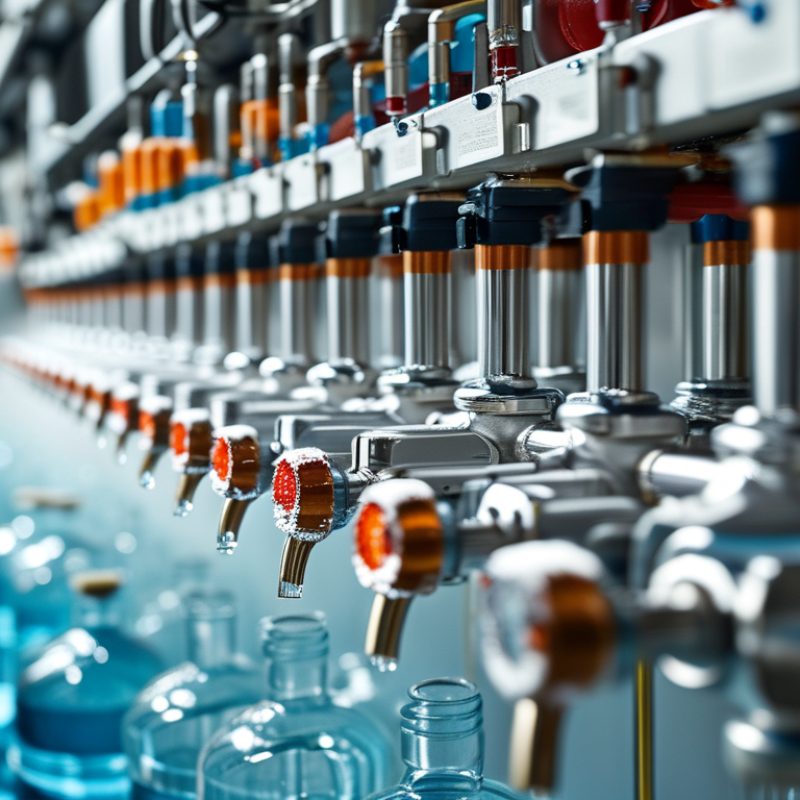
What is Demineralized Water and Its Uses?
Demineralized water is water that has had its mineral content removed. This is typically achieved through processes such as reverse osmosis or ion exchange. Demineralized water is essential in various applications, including laboratories, pharmaceuticals, and industrial processes. Due to its lack of minerals, it can prevent scaling and corrosion in machinery.
In industrial settings, over 30% of water used is demineralized. This type of water is prized in manufacturing processes, especially in electronics and automotive industries. Pure water ensures that products are free of contaminants, which can affect quality. Many industries rely on the use of demineralized water to maintain strict purity standards.
**Tip:** When using demineralized water, ensure your equipment is compatible. Not all systems can handle pure water without modifications. Watch out for the potential risks of corrosion in certain materials. Regular maintenance of your water systems is crucial to prevent issues.
Components of a Demineralized Water Machine
A demineralized water machine is designed to remove minerals and impurities from water. Understanding its components can help grasp how it works effectively. Typically, these machines consist of several key parts: a pre-filter, ion exchange resin, carbon filter, and a storage tank.
The pre-filter is critical. It catches larger particles and sediments, ensuring the system operates smoothly. This step is essential to prevent clogging. Next, the ion exchange resin is the heart of the process. It replaces unwanted minerals in water with hydrogen and hydroxide ions, resulting in pure H2O. This part of the machine demands careful maintenance, as exhausted resin needs replacement to maintain quality.
Another significant component is the carbon filter. It effectively removes organic compounds, improving taste and odor. This filter must also be checked regularly. Lastly, the storage tank holds the demineralized water, making it accessible for various applications.
Despite the sophistication of these machines, occasional issues may arise, such as resin fouling or filter saturation. Regular monitoring and maintenance are crucial for achieving optimal performance and ensuring reliable water quality.
How Demineralization Processes Work: An Overview
Demineralization processes remove minerals and impurities from water. This ensures that the water is pure and safe for various applications. The methods used are varied and each has its own merits. Ion exchange, reverse osmosis, and distillation are common techniques. Each technique has specifics that make it suitable for different needs.
Ion exchange involves exchanging unwanted ions in water with more desirable ones. This is done using resin beads. Reverse osmosis uses a semi-permeable membrane. Water passes through while contaminants are left behind. Distillation heats water to create steam, which is then cooled to remove impurities. The choice of method often depends on the source of water and desired purity levels.
These processes require careful management. Sometimes, achieving ideal water quality can be challenging. Not all contaminants are easily removed. Some mineral layers may still exist despite advanced techniques. Regular monitoring is essential to maintain water quality. Understanding the limitations of these methods is vital for effective applications.
What is a Demineralized Water Machine and How Does It Work? - How Demineralization Processes Work: An Overview
| Feature | Description |
| Purpose | To remove minerals and impurities from water for various applications. |
| Common Uses | Laboratories, industrial processes, pharmaceuticals, and steam generation. |
| Key Technologies | Ion exchange, reverse osmosis, and distillation. |
| Advantages | Improved water quality, reduced scaling, and enhanced equipment lifespan. |
| Maintenance | Regular monitoring and replacement of filters or membranes as needed. |
| Cost Factors | Initial purchase, installation, and ongoing maintenance expenses. |
Types of Demineralization Methods Used in Machines
Demineralized water machines use various methods to remove minerals and impurities from water. The most common techniques are reverse osmosis, ion exchange, and distillation. Each method has its advantages and disadvantages, making them suitable for different applications.
Reverse osmosis (RO) is widely used for its efficiency. According to a report by the Water Quality Association, RO can remove about 90-99% of dissolved salts. This technology forces water through a semipermeable membrane. However, constant maintenance is crucial. Membranes can become fouled, affecting performance.
Ion exchange is another prevalent method. It exchanges undesirable ions in the water for harmless ones. This method is often utilized in laboratories and industries where ultra-pure water is essential. It can be effective but has limitations. For instance, its efficiency decreases over time as resin becomes saturated with minerals.
Distillation involves boiling water and then condensing the steam. This method is very effective in producing pure water. However, it can be energy-intensive and slow. Users might find that the initial investment costs and operational energy can be significant drawbacks. Overall, selecting the right demineralization method is critical, as it affects both water quality and machine longevity.
Applications and Benefits of Using Demineralized Water
Demineralized water is essential across various industries. Its purity benefits sectors such as pharmaceuticals, electronics, and food processing. In pharmaceuticals, for instance, 90% of products require high-purity water. This highlights the importance of demineralized water machines, which remove minerals and impurities effectively.
Using demineralized water enhances the quality of products. In food processing, it prevents scaling in equipment, leading to a 30% increase in efficiency. Additionally, it ensures that no unintended flavors affect the final product. The electronics industry also heavily relies on it to prevent corrosion in components. Reliable studies suggest that demineralized water could improve the longevity of sensitive equipment by up to 50%.
Tip: Regular maintenance of demineralized water machines is key. This ensures consistent water quality, preventing operational issues. A periodic check can save time and costs in the long run.
Another benefit includes environmental impact. Demineralized water production often uses reverse osmosis, generating less wastewater compared to traditional methods. However, some facilities still struggle with energy efficiency during demineralization. Finding ways to enhance energy consumption can optimize these processes further.
Tip: Consider using renewable energy sources. They can significantly reduce the carbon footprint of water purification processes. This shift could promote sustainable practices in your operations.