10 Essential Tips for Using a Laser Cutting CNC Machine Effectively?
The laser cutting CNC machine has revolutionized manufacturing industries, offering precision and efficiency like never before. According to a report by Research and Markets, the global laser cutting machine market is expected to grow significantly, reaching $5.25 billion by 2025. This growth demonstrates the increasing reliance on laser cutting technology across various sectors, including automotive, aerospace, and electronics. Its ability to cut, engrave, and mark materials with high accuracy makes it indispensable for modern production processes.
Utilizing a laser cutting CNC machine effectively requires knowledge beyond just operating the machine. Operators must understand material properties, optimal settings, and machine capabilities. However, even experienced users can struggle with common issues such as material warping or improper settings. Industry experts suggest that hands-on training and continuous education are critical to mastering this technology. Failing to adapt can lead to costly mistakes and subpar results. Embracing a growth mindset is essential for honing skills and ensuring successful applications of this powerful tool.
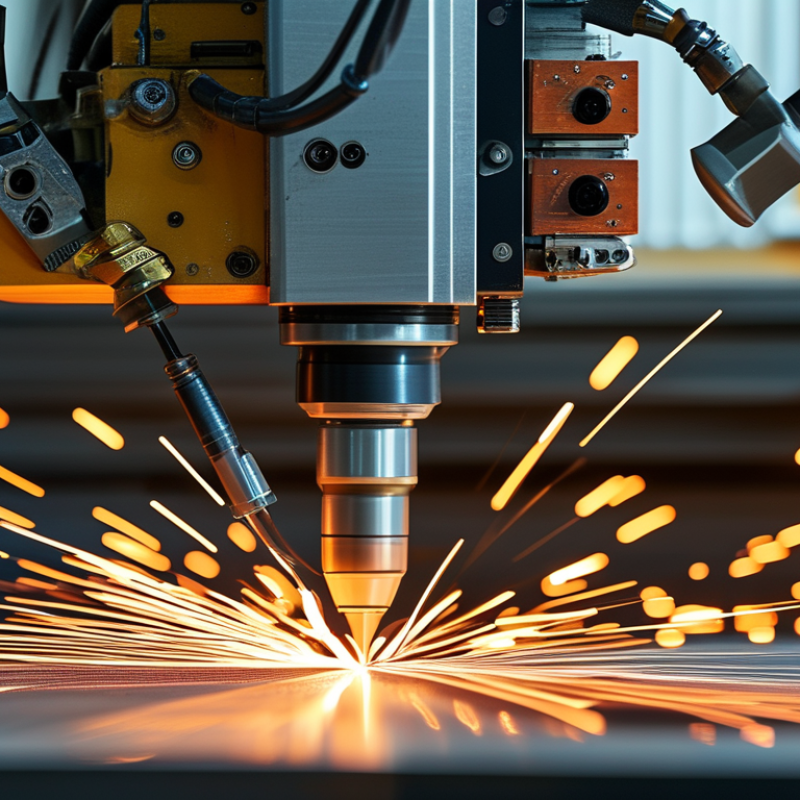
Understanding the Basics of Laser Cutting CNC Machines
Laser cutting CNC machines have revolutionized the manufacturing process. Understanding the fundamentals is crucial for effective use. These machines utilize a focused laser beam to cut through materials with precision. They can work on various materials, including wood, acrylic, and metals. A solid grasp of the machine’s settings can greatly improve your projects.
Proper maintenance is vital for optimal performance. Regularly cleaning lenses and mirrors can enhance cutting quality. Over time, users may overlook this crucial step, leading to subpar results. Additionally, understanding the software that operates these machines is essential. Beginners might struggle with the technical aspects, causing frustration. It's important to invest time in learning the software to achieve better outcomes.
Experimenting with different parameters can yield unforeseen challenges. Adjusting speed and power settings may produce varied results. Documenting these changes will help refine techniques. Users often feel overwhelmed, leading to mistakes. Embracing this learning process is part of mastering laser cutting technology. Often, the most valuable lessons come from unexpected errors in projects.
Choosing the Right Material for Laser Cutting Applications
When it comes to laser cutting, choosing the right material is crucial for achieving optimal results. Materials vary widely in properties such as thickness, density, and absorption capacity. Reports indicate that approximately 70% of cutting issues arise from improper material selection. Understanding how different materials react to laser cutting can significantly enhance production efficiency and quality.
Acrylic, for instance, is one of the most popular materials for laser cutting. It offers excellent clarity and can be easily engraved or cut with precision. Research indicates that laser-cut acrylic exhibits cleaner edges and minimal melting. In contrast, wood can also yield stunning results but presents unique challenges. Different wood types absorb laser energy differently, affecting the cut quality. A study found that cutting softer woods like pine can lead to more fumes and burning compared to hardwoods like maple.
Moreover, metals require specialized attention. Aluminum is often cut using a high-powered laser to manage heat. However, the reflective nature of metals can lead to inefficient cutting and potential damage to equipment. Experts recommend using a lower power setting and faster speeds for better results. Knowing these nuances is vital for any professional looking to harness laser cutting technology effectively.
10 Essential Tips for Using a Laser Cutting CNC Machine Effectively: Choosing the Right Material for Laser Cutting Applications
| Material Type |
Thickness (mm) |
Recommended Power (W) |
Cutting Speed (mm/s) |
Finish Quality |
| Acrylic |
3-10 |
30-70 |
20-200 |
High |
| MDF |
3-20 |
35-90 |
15-150 |
Medium |
| Wood |
3-25 |
40-100 |
10-120 |
Good |
| Leather |
1-5 |
30-50 |
20-80 |
High |
| Paper |
0.2-2 |
30-60 |
50-300 |
Very High |
Essential Safety Precautions When Operating a Laser Cutter
When operating a laser cutting CNC machine, safety should be the top priority. According to the Occupational Safety and Health Administration (OSHA), improper use can lead to severe injuries and hazards. It’s essential to wear proper eye protection, as laser beams can cause permanent damage. Always check that your workspace is clear of flammable materials. A safe environment is crucial for a successful operation.
Before starting, ensure all safety features are functional. Familiarize yourself with the machine's manuals. Keep your hands away from the cutting area to avoid accidents. During operation, a fire extinguisher should be within reach in case of emergencies. Additionally, regular machine maintenance can prevent malfunctions that might increase risks.
Tip: Consistently monitor the cutting process to catch any errors early. Overlooking small mistakes can lead to significant issues down the line. Engaging with industry reports enhances your skills. For example, the American National Standards Institute (ANSI) offers guidelines for laser safety that can educate operators on best practices. Make continuous education a part of your routine.
To operate a laser cutter effectively, understanding safety protocols is essential. Your safety depends not just on equipment but also on your knowledge and habits. Acknowledge that even experienced users can make mistakes. Always be vigilant and ready to adapt to new information and protocols.
Optimizing Settings for Different Thicknesses and Material Types
When using a laser cutting CNC machine, optimizing settings based on material thickness is crucial. Different materials require distinct approaches. For example, acrylic and wood react differently to laser settings. Thick acrylic demands a higher power setting, while thinner wood might burn if power is too high. Observing how materials behave under various settings can enhance outcomes.
Moreover, adjusting speed plays a vital role too. Slower speeds can allow for cleaner cuts in thicker materials. Yet, if the speed is too slow, it can cause excessive heat and distortion. It's risky experimenting without thorough testing. Document each setting change made for future reference. Reflecting on past projects can lead to better practices and improved cutting quality.
Finally, always consider the type of lens used in your machine. A lens optimized for thin materials may not perform well with thicker ones. Tidiness and maintenance of the lens also impact cutting quality. A blocked lens can lead to unexpected results. Make sure to account for these factors when setting up your machine for any new project.
Material Thickness and Optimal Laser Cutting Speed
Maintenance Tips for Ensuring Longevity of Your CNC Laser Machine
Regular maintenance of CNC laser cutting machines is crucial for their longevity and optimal performance. Industry studies indicate that proper upkeep can extend machine life by up to 30%, saving significant costs in the long run. Dirty lenses and mirrors can decrease cutting efficiency, leading to increased energy consumption and subpar results. Regularly cleaning these components is essential. A weekly schedule for inspection helps identify wear and tear before issues escalate.
Temperature regulation is another important aspect of maintenance. Machines running in overly humid or hot conditions can experience accelerated wear. According to the Laser Institute of America, maintaining a stable operating environment can enhance machine performance by 15%. Using a dehumidifier in humid areas can prevent moisture-induced damage. Sound practices include lubricating moving parts and ensuring software is up-to-date. Neglecting software updates can lead to compatibility issues and hinder operation efficiency.
While many operators focus primarily on cutting quality, overlooking maintenance can be costly. Common oversights include ignoring power supply stability and vibration control. These factors can affect precision and finish quality. Consistency in maintenance routines is vital for peak performance. Operators must remain proactive, adapting their maintenance practices as needed.