What Are the 7 Best Electrical Film Suppliers?
Choosing an Electrical Film supplier is not just a matter of comparing prices. The right material must suit the operating voltage, temperature, thickness, and fabrication process of the finished product. A film that performs well in a laboratory sample may behave differently after lamination, winding, or long exposure to heat. Small details matter.
This guide introduces seven suppliers worth considering for electrical insulation and related film applications. It looks at practical factors buyers can verify, including product range, technical documentation, quality controls, sample availability, delivery capability, and access to application support. Datasheets deserve close attention: dielectric strength, tensile properties, thermal limits, and thickness tolerances can shape performance and production yield. Ask for clarification when a specification is unclear. That is not a minor step.
No single supplier is best for every project. Requirements differ between motor insulation, transformers, capacitors, batteries, and other electrical assemblies, while availability may vary by region. The companies included here should be treated as candidates for evaluation, not as a universal ranking. Compare current specifications, request relevant test information, and discuss your actual process with the supplier before committing to volume. This overview cannot replace qualification testing, and it may not capture every local option. A careful shortlist is a useful start. The final choice should rest on documented fit, consistent quality, and dependable communication—not a polished catalogue alone.
What Electrical Films Are and How They Are Used
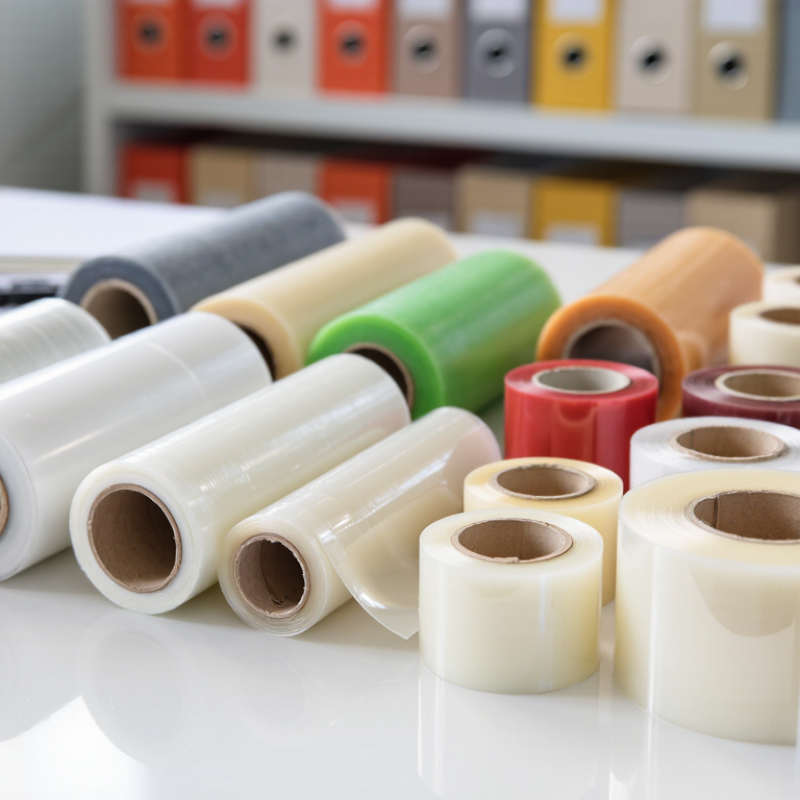
Electrical films are thin polymer sheets that control electrical, thermal, and mechanical contact inside equipment. Common materials include polyester, polyimide, aramid, and polypropylene. In motors and generators, films can separate copper windings from metal cores. In capacitors, they act as dielectric layers; in battery packs, they can provide insulation between cells and nearby components. A film may look simple. Its job is not.
The International Energy Agency’s Electricity 2025 report states that global electricity demand grew by 4.3% in 2024. That broader growth means more electrical equipment must operate reliably, often in compact spaces with heat, vibration, or moisture. Film selection depends on operating temperature, dielectric strength, thickness, and the shape of the part. The IEA’s Global EV Outlook 2025 also reports more than 17 million electric car sales in 2024, highlighting one expanding application for insulation materials. Still, sales figures do not tell engineers which film suits a particular design.
Tips: Ask for test data, not just a material name. Check thickness tolerance and temperature ratings against the actual operating conditions. Small gaps matter. One detail I would double-check is how the film performs after repeated heat cycles, since a fresh sample may not reveal long-term weaknesses.
Key Criteria for Evaluating Electrical Film Suppliers
Choosing among electrical film suppliers takes more than comparing quoted prices. Check whether dielectric strength, thermal class, thickness tolerance, and chemical resistance suit your operating conditions. Request technical data sheets and lot-specific certificates, then ask how measurements were taken. A polished brochure is not proof. Test samples from regular production stock on your own winding, laminating, or cutting equipment. Small edge cracks can become costly defects.
Tips: Send each supplier the same specification, including roll width, core size, splice limits, and packaging needs. Ask how they handle out-of-range test results and maintain batch traceability. Keep a dated sample and record your test conditions. Details matter.
Reliability shows in repeatability and communication. Compare multiple batches for gauge variation, surface cleanliness, and unwind tension instead of judging one perfect roll. Ask about lead times, minimum order quantities, storage life, and change-control procedures. Vague answers deserve follow-up. For critical applications, request process-audit or corrective-action records where available. A low quote may conceal inspection gaps or inconsistent converting. I would not treat a clean-looking sample as proof; that shortcut is tempting, but weak. Supplier documents also cannot replace validation under your own voltage, temperature, and humidity conditions. Record disagreements during testing. They may expose gaps in the specification.
Seven Notable Electrical Film Suppliers at a Glance
Electrical film sourcing is less about a famous label and more about matching material to heat, voltage, and fabrication needs. Seven supplier profiles are useful to compare. Polyester-film converters serve general insulation and slot-liner applications. Polyimide specialists focus on thin films for higher-temperature assemblies. Polypropylene suppliers commonly support capacitor applications. Fluoropolymer film providers suit demanding chemical or thermal environments. Laminate makers combine film with fabric or paper for stable sheet goods. Precision slitters deliver narrow rolls with controlled edges. Custom converters add adhesive, embossing, or die-cut features. Small details matter.
This grouping is only a starting point; suppliers often overlap, and catalog labels can hide important differences. Request a current technical data sheet and confirm thickness tolerance, dielectric strength, thermal rating, roll width, and lot traceability. Ask whether reported values are typical or guaranteed. A film that looks suitable on paper may wrinkle during winding or behave differently after humid storage. Test a small sample under the actual process. Ask about minimum order quantities, lead times, and packaging, too. Not glamorous, but useful. Compare documented capability, sample consistency, and technical support—not just price per roll. If requirements are still vague, admit that; choosing a material too early can create expensive rework.
Electrical Insulation Films: 7 Materials at a Glance
Typical relative permittivity values for common electrical film materials, shown as a material comparison rather than a supplier ranking.
Representative values at approximately 1 kHz: actual results vary with film grade, frequency, temperature, and test method. Lower relative permittivity indicates less capacitance for a given geometry.
Comparing Product Ranges, Certifications, and Capabilities
Comparing seven electrical film suppliers starts with the materials they actually stock. One may focus on polyester films for motor insulation, while another offers polyimide, PEN, or multilayer laminates for heat-sensitive assemblies. Check available thicknesses, roll widths, surface treatments, and whether films can be slit or converted to sheets. Details matter. A broad catalog is useful, but it does not prove a supplier can maintain tight thickness tolerances or consistent dielectric performance across production lots.
Certifications need careful reading. Ask whether an ISO 9001 certificate covers the manufacturing site you will use, and whether product claims are supported by relevant UL recognition or IEC and ASTM test data. A certificate alone is not a performance guarantee. Request traceable test reports for dielectric strength, thermal class, and dimensional stability under stated conditions. Also compare custom capabilities, such as adhesive coating, lamination, and short production runs, along with lead times and minimum order quantities. I would not rank suppliers by catalog size alone; that is convenient, but incomplete. Ask for evidence. A small sample can reveal handling issues that a polished specification sheet misses, though sample results still need confirmation in your own process.
How to Select a Supplier for Your Application
Selecting an electrical film supplier starts with the application, not a catalog headline. Define operating voltage, temperature, humidity, mechanical stress, and expected service life. Then ask for dielectric strength, thickness tolerance, thermal-aging data, and test conditions. A strong result from one test cannot guarantee performance in a different assembly. Small details matter. A film that handles heat well may still wrinkle during winding or absorb moisture in storage.
Check whether the supplier can provide lot-level certificates, traceable test results, and samples for your own process trials. Ask how they control thickness variation and respond to nonconforming material. The International Energy Agency’s Global EV Outlook 2024 estimated nearly 17 million electric-car sales worldwide in 2024, highlighting the growing importance of reliable insulation in electrified equipment. That trend is useful context, not proof that any particular film suits your design. Compare candidate materials under realistic conditions, including edge handling and repeated thermal cycles. A datasheet is not the whole story; supplier support can be uneven, so document what remains unverified before approval.