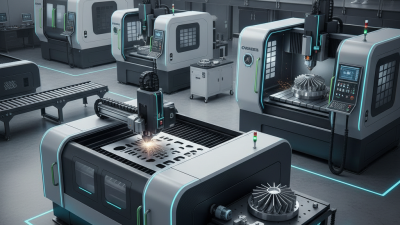
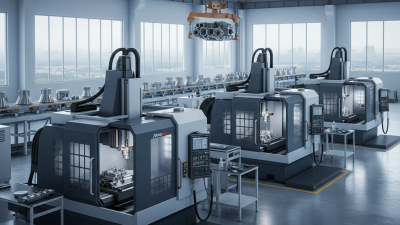
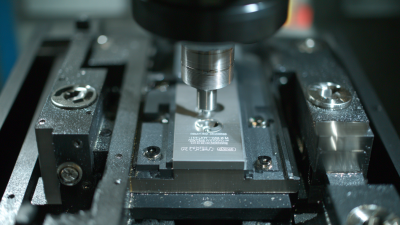
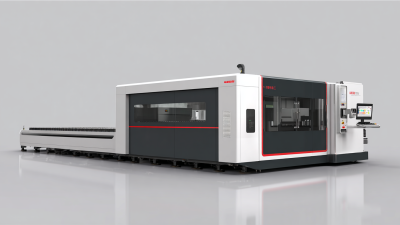
Top Laser and CNC Machine Applications for Beginners?
In the evolving world of manufacturing, the applications of laser and CNC machine technology are becoming indispensable. John Smith, a leading expert in the field, once stated, “The power of laser and CNC machines can transform ideas into reality.” This philosophy guides many beginners eager to explore this innovative landscape.
Laser and CNC machines are more than just tools; they are gateways to creativity and precision. From engraving intricate designs to cutting complex shapes, their capabilities are vast. Beginners often feel overwhelmed by the technical jargon and options available. Each machine offers unique features, and choosing the right one can be daunting.
Mistakes are part of the learning process. Many new users face challenges with software compatibility or material selection. It is in these moments of frustration that growth occurs. Embracing the learning curve of laser and CNC machines can lead to remarkable achievements. Every failure brings valuable lessons, paving the way for future success. Discovering various applications can ignite a passion that transforms a hobby into a lifelong pursuit.
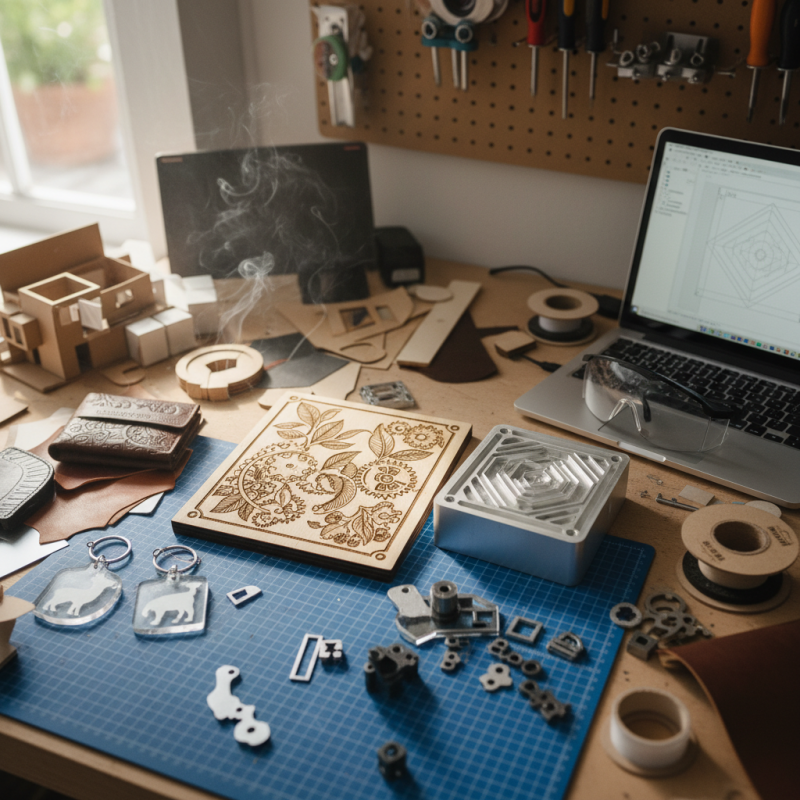
Introduction to Laser and CNC Machines for Beginners
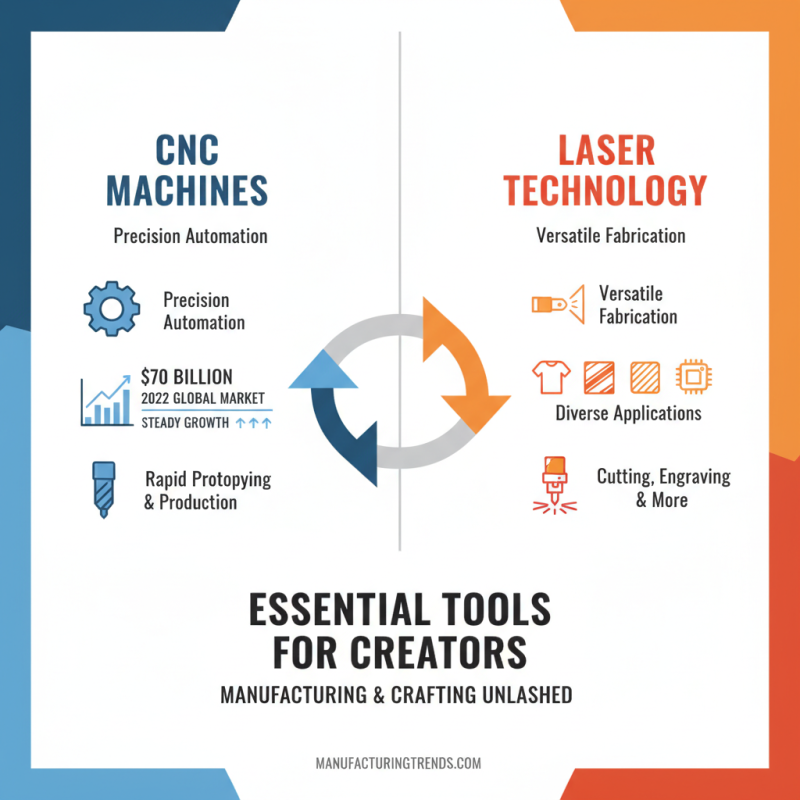
Laser and CNC machines are becoming essential tools for beginners entering the manufacturing and crafting fields. The global CNC machine market was valued at approximately $70 billion in 2022. This figure is anticipated to grow steadily, driven by the increasing demand for automation and precision in production processes. Laser technology also plays a crucial role, with its applications spanning various industries—from textile to metal fabrication.
When starting with these machines, understanding their functionalities is vital. CNC machines automate cuts and shapes with high precision. Laser machines excel in cutting and engraving, offering intricate designs with smooth edges. Remember, effective use of these machines requires practice. Mistakes will happen; learn from them. Not every cut will be perfect, and that’s okay.
Tips for beginners: Start with simple projects. As you grow comfortable, gradually tackle more complex tasks. Experimentation encourages learning, even if it leads to errors. Safety is key. Always wear protective eyewear and follow recommended guidelines. Your workspace should be clean and organized. This minimizes accidents and enhances productivity.
Understanding the Basics of Laser Cutting and CNC Machining
Laser cutting and CNC machining are transformative technologies in various industries. Laser cutting uses focused lasers to slice through materials like metal, wood, and plastics. It's precise and efficient, making it ideal for intricate designs. The global market for laser cutting is expected to reach $5.7 billion by 2025, a growth fueled by increased demand in sectors like automotive and aerospace.
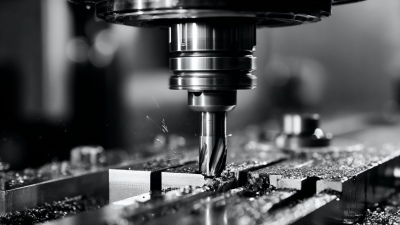
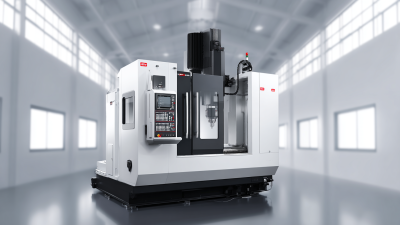
CNC machining, on the other hand, employs computer-controlled tools to shape materials into desired forms. It provides repeatability and high accuracy, crucial for mass production. The CNC machining market is projected to grow at a CAGR of 6.4% through 2026. Beginners can find these tools daunting.
**Tip:** Start with basic projects. Experiment with different materials to understand how each machine responds.
However, mistakes are common. A missed measurement can ruin a project. Learning from errors is part of the journey. Each misstep can teach valuable lessons that improve skills over time.
**Tip:** Keep a journal of your projects. Noting what worked and what didn’t helps refine techniques.
Understanding both technologies opens up new possibilities. The hands-on experience with laser cutting and CNC machining builds confidence. Stay curious, and embrace the trial-and-error process.
Top Laser and CNC Machine Applications for Beginners
| Application |
Description |
Technology Type |
Beginner Suitability |
| Engraving |
Using lasers to engrave designs on various materials like wood and acrylic. |
Laser Cutting |
High |
| Cutting |
Precision cutting of metals, plastics, and wood using CNC machines. |
CNC Machining |
Moderate |
| 3D Modeling |
Creating 3D designs for prototyping and testing before manufacturing. |
CNC Machining |
High |
| Sign Making |
Manufacturing custom signs using laser cutting for precision detail. |
Laser Cutting |
High |
| Prototyping |
Using CNC machines to create prototypes for product development. |
CNC Machining |
Moderate |
| Jewelry Design |
Laser cutting to create intricate designs in various metals. |
Laser Cutting |
High |
| Furniture Making |
Cutting and shaping wood and other materials for bespoke furniture. |
CNC Machining |
Moderate |
Common Applications of Laser Technology for New Users
Laser technology offers various practical applications, especially for beginners. One common use is engraving. This technique allows users to create intricate designs on materials such as wood, glass, and leather. The precision and detail of laser engraving are impressive.
However, beginners may struggle with settings. Sometimes, the engraving depth could be too shallow or too deep, resulting in less than ideal outcomes.
Another application is cutting. Lasers can cut through materials like acrylic and metal with ease. New users often find this process fascinating. It's essential to experiment with power and speed settings to get the best results.
Tips: Start with thinner materials to avoid frustration. Learning the machine takes time, and patience is crucial.
Laser etching is also popular. This method is great for personalizing items. However, beginners might rush through projects.
It's easy to overlook safety measures, which can lead to accidents.
Tips: Always wear protective goggles. Create a checklist for setups to ensure nothing is missed. Reflecting on each project can lead to better future outcomes.
Remember, practice makes progress, not perfection.
Exploring CNC Machining Projects for Beginners
CNC machining projects are a fantastic way for beginners to get hands-on experience. These projects can range from simple designs to more intricate items. A good starting point is creating personalized keychains. They are small, manageable, and allow for creativity. You can experiment with various shapes and engravings. The process will teach you about design software and machining techniques.
Another exciting project is making custom coasters. Whether you opt for wood or acrylic, the process is rewarding. You may encounter some challenges, like adjusting settings and calibrating the machine. It's okay to make mistakes; they are part of learning. Each error can lead to a better understanding of your equipment.
Don't shy away from using scrap material for your first attempts. This approach saves resources and allows you to practice without pressure. Many beginners learn best through trial and error. Remember, progress takes time. Celebrate your small wins and reflect on areas for improvement. These experiences will enhance your CNC skills significantly.
Safety Tips and Best Practices for Using Laser and CNC Equipment
When using laser and CNC equipment, safety is paramount. Always wear protective gear. This includes goggles to shield your eyes from intense light. Gloves can protect your hands from sharp tools. Clothing should be fitted to prevent snags.
Remember the workspace too. Keep it tidy. A cluttered environment can lead to mishaps. Regularly check for any loose wires or damaged parts. These could pose significant risks. Always have a fire extinguisher nearby; you never know when it might be needed.
Take time to read user manuals. They provide valuable insights. Operating machines without understanding can lead to errors. If unsure, ask a more experienced user. Mistakes are part of the learning curve, but they should not come at the cost of safety. Always prioritize caution over speed.
Top Laser and CNC Machine Applications for Beginners