What is a laser cutting CNC machine and how does it work?
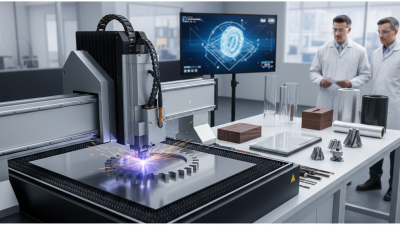
Laser cutting CNC machines have revolutionized the manufacturing industry with their precision and efficiency. A laser cutting CNC machine uses high-powered lasers to cut through various materials such as metal, wood, and plastic. This technology allows for intricate designs and shapes that traditional methods may struggle to achieve.
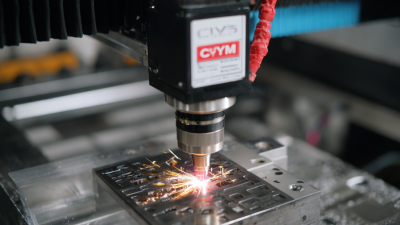
However, understanding how these machines operate is crucial. They work by focusing a laser beam on a material surface, melting or vaporizing it to create clean cuts. This method not only enhances speed but also reduces waste, making it an environmentally friendly choice in many applications.
Despite their advantages, potential users must consider factors like maintenance and initial costs. These machines require skilled operators for optimal performance. In exploring the capabilities and limitations of laser cutting CNC machines, we gain valuable insights into their practical applications and potential challenges in a rapidly evolving industry.
What is a Laser Cutting CNC Machine?
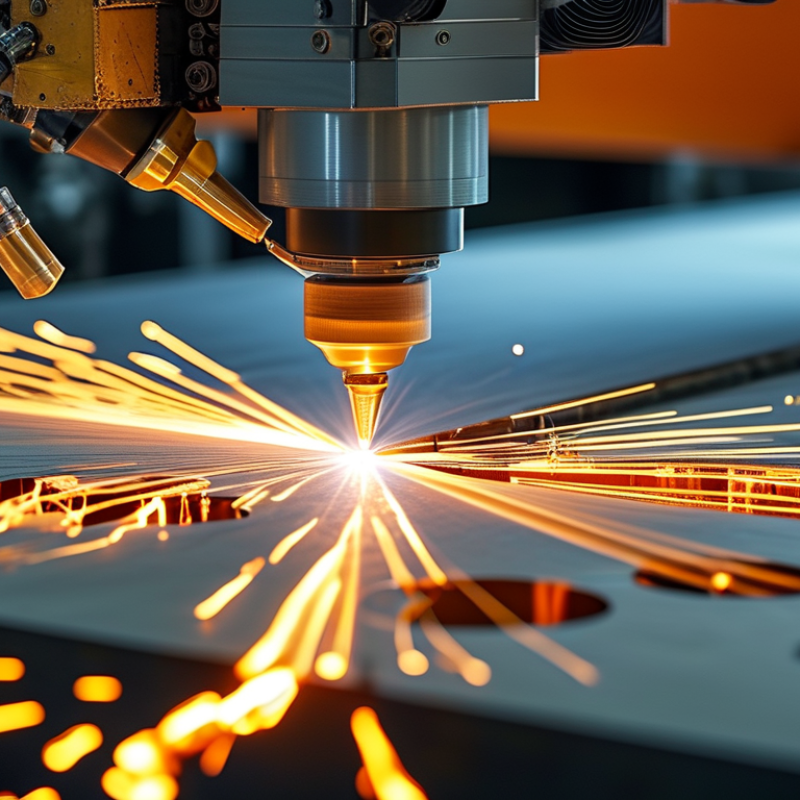
A laser cutting CNC machine is a sophisticated tool that utilizes focused laser beams to cut materials with precision. This technology operates by directing a high-powered laser beam through optics, concentrating it onto the workpiece surface. The intense heat from the laser melts or vaporizes the material, producing clean cuts. According to a report by MarketsandMarkets, the laser cutting market was valued at approximately $3.5 billion in 2021 and is projected to reach $5.7 billion by 2026, showing a significant growth trend.
These CNC machines can cut through various materials, including metals, plastics, and wood. The versatility of this technology makes it a key player in many industries, such as manufacturing, automotive, and aerospace. Research has indicated that laser cutting offers up to 90% energy efficiency compared to traditional cutting methods. However, users must be cautious. Over-reliance on automated cutting may lead to challenges in design adjustments, as it might overlook intricate traditional craftsmanship.
While laser cutting provides high-speed production, it does have limitations. Not all materials are suitable for laser cutting, as some may require specific settings. If improperly configured, results can vary from uneven edges to excessive heat distortion. Understanding the material properties and machine settings is critical for achieving desired outcomes. This iterative learning process highlights the importance of skilled operators in maximizing the effectiveness of laser cutting CNC machines.
Key Components of a Laser Cutting System
Laser cutting systems have gained traction across various industries for their precision and efficiency. A crucial aspect of these systems is their key components, which include the laser source, control system, and motion mechanism. The laser source generates a focused beam of light that can cut through materials. These materials can vary from metals to plastics. According to a report by Allied Market Research, the global laser cutting machine market was valued at over $4 billion in 2020, and it is projected to grow significantly, highlighting the rising demand for precision manufacturing.
The control system plays a vital role in ensuring accuracy. It receives input data, directing the laser precisely along the designated paths. Most systems utilize software that converts designs into machine-readable formats. The quality of this software can greatly influence the cutting process. However, not all systems are equal. Some may experience software glitches, leading to errors in cuts. This inconsistency can be frustrating, often requiring additional time and resources to rectify.
Finally, the motion mechanism, typically involving servos or stepper motors, ensures the laser head moves smoothly across the material. This component must operate without vibration to maintain precise cuts. Reports show that even minor misalignments can lead to poor cut quality. Users need to undergo regular maintenance to avoid performance issues. Each of these elements must work seamlessly for optimal results. Industry experts emphasize the importance of proper calibration and routine checks to maintain reliability in laser cutting operations.
The Working Principle of Laser Cutting Technology
Laser cutting technology operates on a straightforward yet powerful principle. A focused beam of light is directed onto material, igniting and vaporizing it. This process allows for precise cuts with minimal material waste. According to a recent report by the International Laser Manufacturing Society, laser cutting has grown by approximately 15% annually in various industries, including automotive and aerospace.
The laser cutting machine utilizes a highly concentrated laser beam, produced by a laser source. The beam is focused through optics, leading to a small, intense point of light. As it contacts the material, temperatures can reach thousands of degrees Celsius. The material essentially melts, burns, or vaporizes, creating a clean edge. However, achieving optimal outcomes can sometimes be challenging. Material thickness and type can affect the cutting speed and quality.
Understanding these variables is essential for operators. They must consider factors like the laser’s power settings and cutting speed. Inconsistent settings can lead to rough edges or incomplete cuts, underscoring the need for expertise in operating these machines. As this technology evolves, staying informed on best practices becomes increasingly important. With advancements like fiber lasers and improved software, optimizing laser cutting remains a dynamic field requiring ongoing learning and adaptation.
What is a laser cutting CNC machine and how does it work?
| Feature |
Description |
Applications |
| Laser Type |
CO2, Fiber, and Nd:YAG laser types |
Metal, Wood, Plastic Cutting |
| Cutting Thickness |
Up to 25mm for metals, 20mm for plastics |
Large Scale Manufacturing |
| Precision |
High precision with tolerances of ±0.1mm |
Aerospace Components |
| Speed |
2000 mm/min to 10000 mm/min depending on material |
Prototype Development |
| Software Used |
CAD/CAM software for design |
Custom Designs and Model Making |
Applications of Laser Cutting in Various Industries
Laser cutting technology is transforming various industries with its precision and efficiency. In manufacturing, laser cutting machines are essential for creating complex designs in metal and plastic. They enable businesses to produce intricate parts quickly and with minimal waste. In the automotive industry, components such as brackets, frames, and panels benefit from laser cutting, resulting in improved quality and reduced lead times.
In the fashion and textile industry, laser cutting is used for garment production. Designers can create unique patterns and precise cuts that were difficult to achieve with traditional methods. This results in enhanced creativity and reduced material usage. Moreover, in the signage industry, laser-cut signs provide a polished look that attracts customers. The sharp edges and detailed designs stand out, contributing to effective branding.
When using laser cutting machines, consider these tips. Always ensure you have the right settings for the material being cut. Incorrect settings can lead to burns or excessive material waste. Regular maintenance of the machine is crucial for optimal performance. A well-maintained machine ensures consistency in cuts and extends its lifespan. Lastly, don’t hesitate to experiment with different materials. Learning from mistakes can often lead to unexpected and innovative results.
Benefits and Limitations of Using Laser Cutting CNC Machines
Laser cutting CNC machines are revolutionizing manufacturing processes, offering distinct benefits as well as notable limitations. One major advantage is their precision. According to industry data, laser cutting provides accuracy within 0.005 inches, making it ideal for intricate designs and detailed components. This precision reduces waste material, optimizing cost efficiency. Furthermore, laser systems can work with various materials, including metals and plastics, enhancing versatility in production.
However, there are limitations that one should consider. The initial investment for a laser cutting CNC machine can be significant, often exceeding $100,000. This upfront cost might deter small businesses. Additionally, while lasers excel in cutting thin materials, they struggle with thicker materials, as cutting efficiency decreases significantly beyond a certain thickness. Maintenance can also be a concern; the focusing lens and mirrors require regular checks. Moreover, operators need specialized training to handle the machines effectively.
Despite these challenges, laser cutting technology continues to evolve. Reports indicate that adoption rates among manufacturers are on the rise, suggesting a growing recognition of its benefits. Balancing these pros and cons is essential for companies considering laser cutting as part of their operations.