How to Maintain Rotating Machines for Optimal Performance?
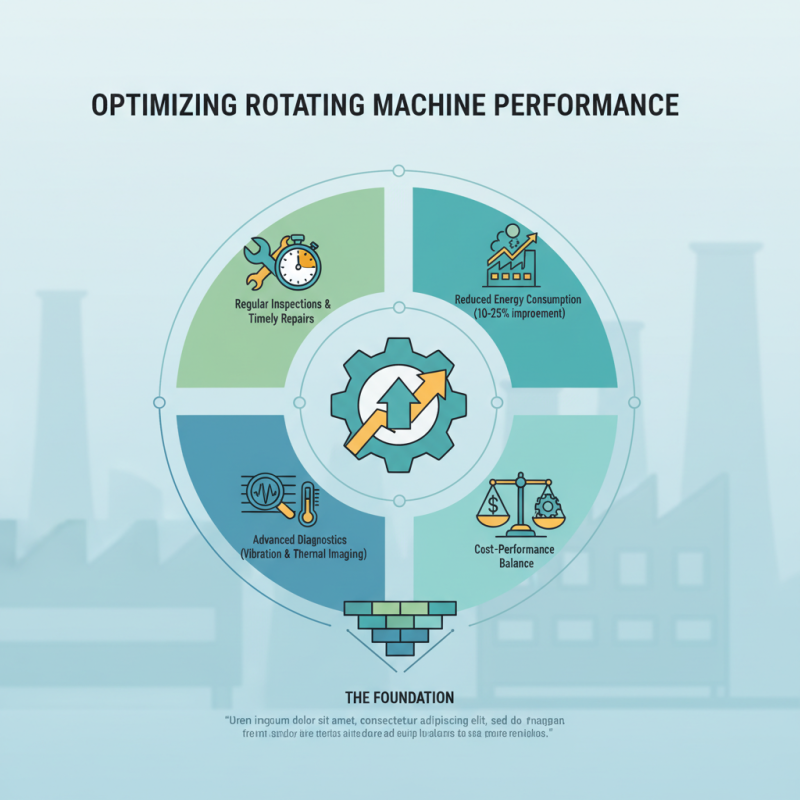
Rotating Machines are critical to many industrial processes. They account for approximately 70% of the maintenance costs in manufacturing sectors. Effective maintenance strategies can significantly improve their efficiency and lifespan. According to the International Energy Agency, poorly maintained rotating machinery leads to a 10-25% increase in energy consumption.
Dr. John Miller, a rotating machinery expert, once remarked, “Neglecting maintenance on rotating machines is like ignoring the foundation of a building.” His insights highlight the importance of proactive care. Regular inspections and timely repairs can prevent costly breakdowns, which may halt production and result in revenue loss.
However, many companies fall short in their maintenance practices. Some do not invest in vibration analysis or thermal imaging, missing key indicators of wear. This can lead to unexpected failures. Understanding the specific needs of rotating machines is essential. The balance between cost and performance is delicate, requiring consistent attention and effort.
Understanding the Importance of Rotating Machine Maintenance
Rotating machines are vital in various industries. Their performance directly affects productivity and efficiency. Understanding maintenance is crucial. Regular checks can prevent breakdowns. These machines deal with wear and tear. Bearings, belts, and motors need attention. A small issue can lead to costly repairs.
Ignoring minor sounds or vibrations is common. These often signal deeper issues. Regular inspections help catch problems early. Lubrication is essential for smooth operation. Without it, friction increases, leading to failures. Scheduling maintenance can be a challenge. Many forget the importance until it's too late.
Clarity in maintenance schedules is often lacking. Operators may not follow protocols consistently. Training is key to ensuring proper practices. Documentation helps track maintenance history. This awareness fosters accountability and better results. With rotating machines, attention to detail is everything. Regular upkeep can make a significant difference.
How to Maintain Rotating Machines for Optimal Performance?
| Maintenance Activity | Frequency | Tools Required | Importance |
| Lubrication | Monthly | Grease, Oil | Reduce friction and wear |
| Vibration Analysis | Quarterly | Vibration Analyzer | Identify imbalance and misalignment |
| Belts and Couplings Inspection | Every 6 months | Visual Inspection Tools | Prevent unexpected breakdowns |
| Alignment Checks | Annually | Laser Alignment Tool | Enhance efficiency and reduce wear |
| Bearing Replacement | As needed | Pullers, Press | Maintains operational efficiency |
Common Types of Rotating Machines and Their Applications
Rotating machines are vital in various industries. Understanding their types and applications is crucial for effective maintenance. Common types include electric motors, turbines, and compressors. Each plays a unique role in production and energy conversion processes. For instance, electric motors are used in manufacturing and transportation. They account for approximately 45% of global electricity consumption, according to the International Energy Agency.
Turbines serve different purposes, such as powering generators in power plants or driving aircraft engines. Their efficiency directly impacts energy output. In fact, poorly maintained turbines can reduce efficiency by up to 25%. Compressors, essential in refrigeration, air conditioning, and gas pipelines, significantly affect operational costs. A one-dollar increase in energy costs can lead to a $10 increase in overall equipment costs.
Maintenance practices must consider these machine types. Common issues include misalignment and lubrication failure. Identifying these can prevent costly breakdowns. Regular inspections are essential. Data shows that companies with robust maintenance strategies reduce downtime by about 30%. Yet, many overlook these practices, leading to unexpected failures. Regular training can help staff recognize these faults early. These insights are vital for improving performance and reducing total operational costs.
Regular Inspection Practices for Rotating Machine Components
Regular inspection of rotating machine components is crucial for optimal performance. Start by checking bearings and seals. These parts wear out over time and can lead to significant issues if not monitored regularly. Listen for unusual noises during operation. This can indicate a problem that needs immediate attention.
Vibration analysis is an effective inspection method. Use handheld devices to capture vibration data. This helps identify imbalances or misalignments. If the data shows abnormal vibrations, further investigation is needed. Remember, inspection is not just about finding faults; it’s also about understanding performance trends.
Don’t overlook lubrication practices. Inspect grease and oil levels to ensure they meet specifications. Dirty lubricants can cause friction and lead to component failure. Sometimes, less is more—over-lubrication can also create issues. Regularly replacing lubricants can be a hassle but is necessary for machine longevity. Remember to reflect on all findings and adjust maintenance schedules accordingly.
Maintenance Effectiveness of Rotating Machines
Essential Lubrication Techniques for Enhanced Performance
Lubrication is key for rotating machines. It reduces friction, enhances performance, and extends their lifespan. Properly applied lubricant keeps parts moving smoothly. But it’s not as simple as it seems. Many overlook factors like temperature and load. These elements can change the effectiveness of lubrication.
Choosing the right lubricant is crucial. Not all lubricants fit every machine. Different machines have specific needs. Some require oil, while others benefit from grease. Too much lubricant can attract dirt and grime. Conversely, too little leads to increased wear and tear. Regularly check the levels and condition of the lubricant. This simple act can reveal hidden issues.
Application techniques are equally important. Clean surfaces before applying. This prevents contamination. Use the right tools to avoid over-application. On some occasions, a machine may seem to run fine but is stressed under the surface. Routine inspections help catch these problems early. Not every maintenance routine is perfect, and there’s always room to learn from past mistakes.
Troubleshooting Common Issues in Rotating Machines
Rotating machines are essential for many industries. However, they often face common issues that can affect performance. Vibration is a frequent problem. It occurs due to misalignment or imbalance. Regularly inspect the rotor alignment and adjust it as needed. If a machine vibrates too much, it can lead to greater wear and tear. Listen for unusual noises, as these can signal bad bearings or worn-out components.
Overheating is another critical issue in rotating machines. Excess heat can stem from insufficient lubrication or blocked cooling systems. Check the lubrication regularly and replace it based on the manufacturer’s guidelines. If a machine runs too hot, address it before it leads to failure. Look for signs of overheating, like discoloration or unusual odors.
Lastly, pay attention to any fluctuations in speed or power consumption. These can indicate an underlying issue with the electrical supply or mechanical components. Conduct routine checks on the electrical connections and the basic mechanical parts. These actions can prevent unexpected downtime and costly repairs. Regular maintenance is vital, but staying alert to these common problems is equally important.