Best Tips for Choosing Fiberglass Drill Bits for Your Projects?
When embarking on projects that require precision and durability, choosing the right tools is essential. Fiberglass Drill Bits stand out for their ability to cut through composite materials effectively. They are designed for specific applications, ensuring clean holes without damaging the surrounding area.
Understanding the unique qualities of fiberglass drill bits can enhance your project outcomes. These bits are not just ordinary tools; they are engineered for specialized tasks. Their construction often includes carbide tips, providing strength and longevity. However, choosing the wrong size or type can lead to unsatisfactory results or even project delays.
While many may overlook the importance of quality, investing in the right fiberglass drill bits is crucial. It’s easy to dismiss details in a rush, yet those details can make or break a project. Take the time to assess your project’s needs, as this can lead to more successful and efficient outcomes. Selecting the proper tools reflects your professionalism and commitment to quality work.
Understanding the Composition and Benefits of Fiberglass Drill Bits
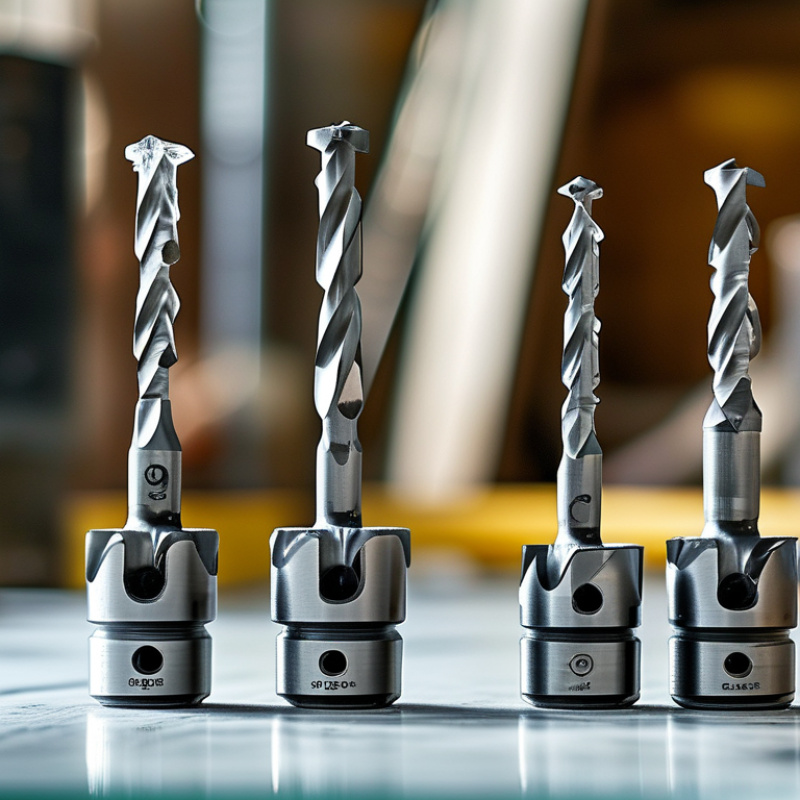
Fiberglass drill bits are specifically designed for working with fiberglass materials, which have become increasingly popular in construction and automotive sectors. These bits typically feature a carbide or diamond coating, providing the necessary hardness to cut through tough composite materials effectively. According to a recent industry report, the demand for fiberglass materials is projected to grow by 5.7% annually through 2025. As more projects integrate fiberglass, understanding the benefits of suitable drill bits becomes essential.
Choosing the right fiberglass drill bit is crucial for project efficiency. A well-made drill bit can resist chip build-up and overheating, which can damage both the tool and the workpiece. Properly selecting bits not only enhances the drilling experience but also prolongs the life of the equipment. Issues like poor quality can lead to excessive wear, resulting in ineffective performance. Additionally, incorrect bit sizes or shapes can create improper holes, complicating assembly processes.
It's important to note that not all fiberglass drill bits are equal in quality. Some may be marketed as premium but may lack durability. Research indicates that users should consider the bit's flute design and coating for optimal results. Investing in higher-quality bits usually pays off, although the upfront costs can be challenging for smaller projects. Careful consideration in selecting bits ensures the success of fiberglass applications and minimizes frustrations during the process.
Best Tips for Choosing Fiberglass Drill Bits for Your Projects
| Dimension | Details |
| Material Composition | High-quality fiberglass with resin bonding |
| Tip Design | Sharp cutting edges for efficient drilling |
| Diameter Options | Available in various sizes from 1/16" to 1/2" |
| Durability | Designed to withstand high temperatures and wear |
| Applications | Ideal for drilling into fiberglass, plastics, and soft metals |
| User Tips | Keep a steady hand and apply moderate pressure |
| Maintenance | Clean after use to prolong lifespan |
Factors to Consider When Selecting the Right Size for Your Projects
Choosing the right size fiberglass drill bits can greatly impact your project's success. Size matters for different applications. A bit that is too large may chip the fiberglass, while a small bit might not provide the needed strength. Consider the thickness of the material you’re working with. For thicker fiberglass, use larger bits. This ensures that the bit can handle the material without breaking.
Pay attention to the type of hole you need. Are you drilling for screws, or are you creating access holes? This decision will guide your size selection. Many recommend using a smaller pilot hole first. This can minimize the chances of cracking. Don’t rush this step. Mistakes here can lead to compromised projects.
Understanding the environment of your project also helps. Wet or humid conditions can alter how fiberglass reacts. Ensure your drill bits are suitable for outdoor use if needed. Take notes on your experiences with various sizes. This feedback will guide your future selections. Experimenting and reflecting on what worked or didn’t can lead to better choices over time.
Best Tips for Choosing Fiberglass Drill Bits for Your Projects
This chart illustrates the relative importance of various factors to consider when selecting fiberglass drill bits for your projects. Size, material, and tip design are crucial, while coating and shank type are also important but to a lesser extent.
Evaluating the Coating Types for Enhanced Performance and Durability
When choosing fiberglass drill bits, understanding the coating types is crucial. The right coating can significantly improve performance and lifespan. Common coatings include titanium, black oxide, and cobalt. Each has its unique advantages. Titanium-coated bits are excellent for heat resistance, while black oxide enhances durability and reduces friction. Cobalt bits excel in hardness and are ideal for tough materials.
Selecting the appropriate coating requires considering your specific project needs. Not all coatings will suit every application. For example, if you're drilling in abrasive fiberglass, a more resilient coating is necessary. Conversely, if your project demands precision, a lubricating coating might be more beneficial. You may find that the ideal bit doesn't always perform as expected. It’s essential to assess how each coating interacts with different materials.
Pay attention to user feedback and testing results. Real-life experiences can shed light on a bit's performance beyond laboratory specifications. Keep in mind that the right coating can be a game-changer, but it's not a one-size-fits-all solution. Investing time in evaluation can lead to better outcomes. Reflecting on previous projects can help refine your choices for future endeavors.
Comparing Different Brands and Price Points of Fiberglass Drill Bits
When selecting fiberglass drill bits, it’s crucial to consider the brand and pricing. Different brands offer varied quality, and knowing this can save time and money. Prices can range significantly, with cheaper options often sacrificing durability. Investing in reputable brands typically means better performance in the long run.
Tips for choosing the right drill bits for your needs include assessing your specific projects. If you're drilling into dense fiberglass, opt for bits designed explicitly for that. For less demanding tasks, more affordable options might suffice. Check user reviews for insights on durability and effectiveness.
Remember, not all drill bits are created equal. Some may drag or break under pressure. Testing a few options before committing to larger purchases might be wise. This trial-and-error approach helps fine-tune your choices. Always consider your project's requirements and the material’s characteristics to find the best fit.
Essential Maintenance Tips for Longevity of Fiberglass Drill Bits
Choosing the right fiberglass drill bits is essential for any project. However, maintenance is often overlooked. Proper care can extend the life of your tools significantly. Regular cleaning is a must. After each use, remove dust and debris. Use a soft brush to protect the bit's sharp edges.
Another vital aspect is proper storage. Keep your drill bits in a dry, cool place. Use protective cases to prevent damage. Avoid tossing them into a toolbox with other tools. This can cause chipping or dullness. It's better to invest in a dedicated storage solution.
Sharpening your bits is another area to consider. Dull drill bits lead to frustration and potential damage. You might feel tempted to push through tough materials. This can ruin both the bit and the project. Assess your bits regularly. A little maintenance goes a long way in ensuring longevity. Small steps today can save you time and money tomorrow.