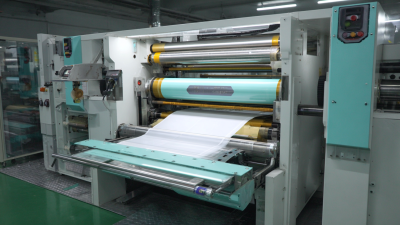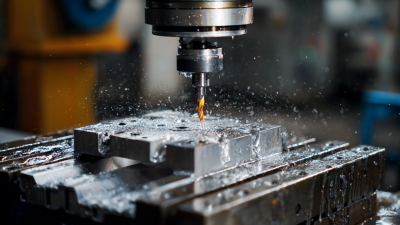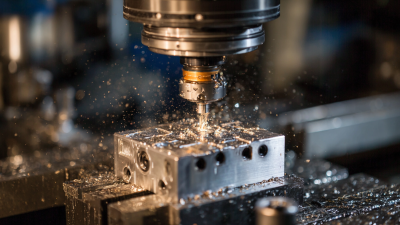

Industrial CNC laser cutting machines are reshaping how global manufacturers process steel, aluminum, copper, and engineered materials. Their value is visible on the factory floor: a stable beam cuts complex profiles, while automated tables move sheets with limited manual handling.
Market evidence supports this shift. Fortune Business Insights valued the global laser cutting machine market at approximately USD 5.33 billion in 2023. Its report projects continued growth through 2032, driven by automation, aerospace demand, automotive production, and metal fabrication. Grand View Research also identifies rising industrial automation and improved fiber-laser efficiency as important market drivers. These findings suggest opportunity, but growth alone does not identify the right machine.
Specification details matter more than impressive brochures. Buyers should compare laser source quality, rated power, cutting thickness, positioning accuracy, acceleration, nesting software, service coverage, and energy consumption. A 6 kW system may cut thick carbon steel quickly, yet it may be excessive for a workshop producing thin stainless-steel parts. The cheapest offer can become expensive when lenses, nozzles, downtime, and operator training are ignored.
This guide examines ten industrial CNC laser cutting machine options for international buyers. It considers practical production needs, not only headline power. However, no ranking can replace an on-site test. Material variation remains significant. Results may differ.
Readers should verify certifications, electrical compatibility, spare-parts access, warranty terms, and local technical support before purchasing. These checks reduce avoidable risk and create a more realistic comparison across suppliers, regions, and production environments.
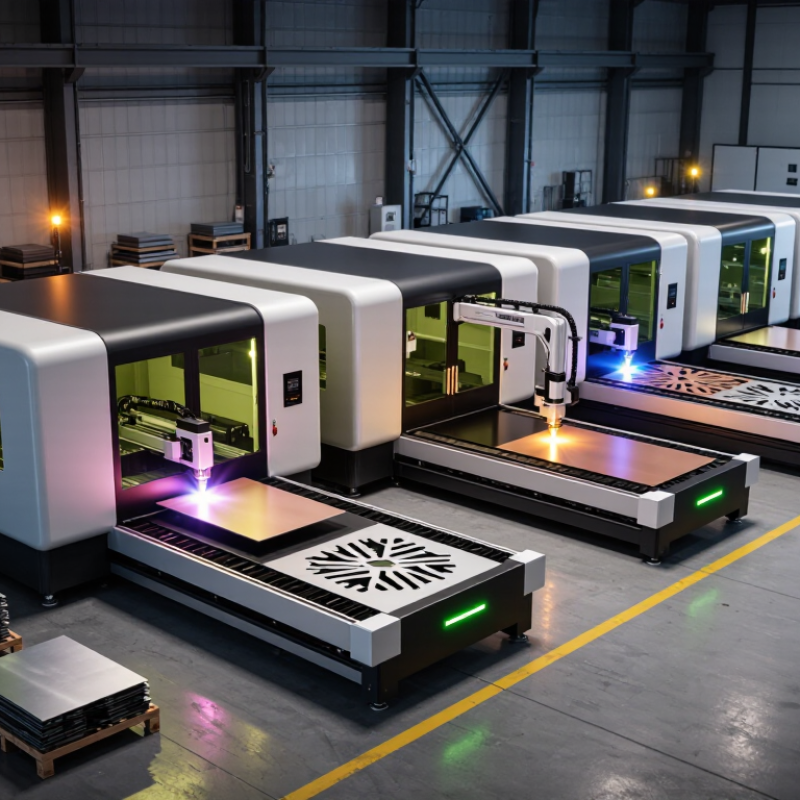
Industrial CNC laser cutting machines combine a focused laser beam, computer-controlled motion, and automated material handling. The CNC controller follows digital drawings and guides the cutting head across metal sheets or tubes. Heat melts or vaporizes a narrow path, leaving accurate edges with limited mechanical force.
Fiber laser machines are common for steel, stainless steel, aluminum, and brass. They usually offer strong energy efficiency and fast cutting on thin and medium-gauge metal.
CO2 machines remain useful for some nonmetal materials and thicker applications. Tube-cutting systems use rotating chucks and specialized software. Hybrid machines handle both flat sheets and profiles, but their added flexibility can increase maintenance demands.
Core functions include automatic focusing, piercing, power control, height sensing, and cutting-path optimization.
A reliable system should detect sheet movement and protect the nozzle from collisions. In practical factory trials, kerf width, heat marks, slag, and corner quality reveal more than brochure speed. Operators also need fume extraction, guarded access, emergency stops, and software compatible with common design files.
No machine is perfect.
Even a highly accurate cutter may struggle with reflective metal, warped sheets, or poor gas settings. I have seen production delays caused by calibration, not laser power.
Buyers should inspect sample cuts, service response, training quality, and spare-part availability before comparing headline specifications.
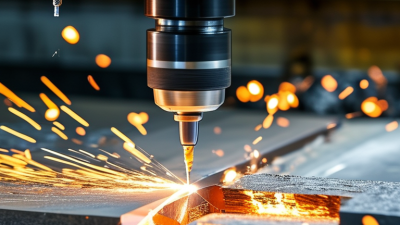
When comparing the top 10 industrial CNC laser cutters, start with measurable specifications, not brochure language. The laser source should be recorded by type, rated power, wavelength, and expected operating hours. For fiber systems, 3 to 20 kW covers many sheet-metal applications, while higher power may reduce piercing time on thick plate. Cutting speed alone can mislead.
Check the working envelope, maximum sheet weight, positioning accuracy, repeatability, and acceleration. ISO 230-2 provides a useful framework for testing positioning performance. Also compare nozzle control, autofocus response, kerf width, and assist-gas consumption. A machine cutting 25 mm steel may still perform poorly if its piercing cycle is slow. Small details matter.
Industry forecasts support careful investment. Fortune Business Insights valued the global laser cutting machine market at about USD 5.97 billion in 2023 and projected continued growth through 2032. MarketsandMarkets has also identified automation and high-power fiber systems as important market drivers. These reports indicate demand, not guaranteed productivity. Ask for time-stamped test cuts using your own steel, aluminum, and tolerances. Inspect edge dross under actual shop lighting. It is easy to overlook maintenance access, filter replacement time, software stability, and technician response. I would also compare energy use per finished part, not only kilowatts. A spreadsheet can still mislead. Real production trials reveal weaknesses that polished specifications hide.
Top 10 Industrial CNC Laser Cutting Machines for Global Buyers
Machine-by-Machine Overview: Power, Materials, Capacity, and Automation
A compact fiber cutter suits thin steel, aluminum, and stainless sheets in limited workshops. A medium-power fiber machine handles thicker plates and keeps production flexible. High-power systems cut heavy carbon steel quickly, but demand stronger cooling and stable electrical supply. A CO2 cutter remains useful for acrylic, wood, plastics, and some nonmetallic materials. Its optics require more maintenance than many fiber designs.
A tube laser processes round, square, and rectangular profiles with rotating chucks. A sheet-and-tube hybrid saves floor space, although changeovers may slow busy lines. A large-format cutter accepts oversized plates and reduces repositioning marks. A precision micro-cutting machine serves electronics, thin foils, and detailed components. Kerf control matters here. A three-dimensional laser cutter follows formed panels, curved parts, and welded assemblies. Programming is harder than brochures suggest. An automated tower system adds storage, loading, unloading, and job tracking for continuous production.
Buyers should compare rated power with real material thickness, not marketing claims alone. Cutting speed can fall sharply near the machine’s maximum capacity. Check the working envelope, nozzle range, table load, positioning accuracy, and extraction performance. Automatic focus, pallet exchange, collision sensing, and remote diagnostics reduce operator workload. However, automation cannot correct poor nesting or warped sheets. Ask for test cuts using actual grades, thicknesses, and surface conditions. Record edge taper, dross, cycle time, and gas consumption. A machine may look efficient until maintenance access becomes inconvenient. This practical trial often reveals more than a polished specification sheet.
| No. | Machine Type | Laser Source | Rated Power | Typical Materials | Working Capacity | Typical Cutting Speed | Automation Features | Recommended Industrial Applications |
|---|---|---|---|---|---|---|---|---|
| 1 | Standard Fiber Flatbed Laser Cutter | Continuous-wave fiber laser | 3 kW | Mild steel, stainless steel, aluminum, galvanized steel, brass and copper | 1,500 × 3,000 mm sheet format; up to approximately 16 mm mild steel and 8 mm stainless steel | Up to approximately 30 m/min, depending on material and thickness | CNC nesting, automatic height sensing, autofocus cutting head, pneumatic chucking and programmable gas control | General fabrication, electrical cabinets, sheet-metal components and contract cutting |
| 2 | High-Power Fiber Flatbed Laser Cutter | Continuous-wave fiber laser | 6 kW | Carbon steel, stainless steel, aluminum, brass and copper alloys | 1,500 × 3,000 mm or 2,000 × 4,000 mm; up to approximately 25 mm mild steel and 16 mm stainless steel | Up to approximately 50 m/min on thin and medium sheet | Automatic nozzle changer, collision monitoring, piercing control, edge finding and nesting software | High-volume structural parts, machinery frames, agricultural equipment and job-shop production |
| 3 | Extra-High-Power Fiber Laser Cutter | Continuous-wave fiber laser | 12 kW | Mild steel, stainless steel, aluminum, brass and copper | 2,000 × 4,000 mm or 2,500 × 6,000 mm; up to approximately 35 mm mild steel and 25 mm stainless steel | Up to approximately 60 m/min on suitable thin sheet | Automatic focus and nozzle exchange, intelligent piercing, dual-pallet loading and real-time cutting-process monitoring | Heavy fabrication, construction machinery, industrial equipment and thick-plate processing |
| 4 | Fully Enclosed Fiber Laser Cutter | Continuous-wave fiber laser | 4 kW | Mild steel, stainless steel, aluminum, galvanized steel and coated sheet | 1,500 × 3,000 mm; up to approximately 20 mm mild steel and 12 mm stainless steel | Up to approximately 35 m/min | Enclosed safety guarding, powered shuttle table, automatic pallet exchange, fume extraction and production-status monitoring | Urban factories, regulated workplaces, precision sheet-metal production and mixed-material cutting |
| 5 | Large-Format Fiber Laser Cutter | Continuous-wave fiber laser | 8 kW | Carbon steel, stainless steel, aluminum, copper and large coated plates | 2,500 × 6,000 mm; up to approximately 30 mm mild steel and 20 mm stainless steel | Up to approximately 45 m/min | Long-bed shuttle table, automatic sheet alignment, material libraries, nesting optimization and optional loading crane interface | Transport equipment, steel structures, large enclosures, chassis and oversized industrial components |
| 6 | Tube and Profile Fiber Laser Cutter | Continuous-wave fiber laser | 3 kW | Round, square and rectangular tubes in mild steel, stainless steel and aluminum | Tube lengths up to approximately 6,500 mm; round tube diameters commonly up to 220 mm | Up to approximately 60 m/min for contour positioning | Automatic bundle loader, servo-controlled rotary chuck, tube-end detection, remnant management and automatic unloading | Furniture frames, fitness equipment, guardrails, automotive components and structural profiles |
| 7 | Sheet-and-Tube Combination Laser Cutter | Continuous-wave fiber laser | 6 kW | Mild steel, stainless steel, aluminum, brass and copper tubes or sheets | Sheet area up to approximately 2,000 × 4,000 mm; tube lengths up to approximately 6,500 mm | Up to approximately 50 m/min, subject to cutting mode | Automatic sheet-tube mode switching, rotary axis, pallet changer, nesting database and optional automatic loading and unloading | Flexible job shops producing both flat parts and tubular assemblies without separate machines |
| 8 | Precision Thin-Sheet Fiber Laser Cutter | Continuous-wave fiber laser | 1.5 kW | Stainless steel, aluminum, mild steel, brass and thin copper sheet | 1,500 × 3,000 mm; optimized for approximately 0.5–6 mm sheet thickness | Up to approximately 60 m/min on thin materials | High-precision linear drives, autofocus, automatic calibration, fine-pitch nesting and low-power assist-gas control | Enclosures, signage, lighting parts, HVAC components and precision electronic hardware |
| 9 | Sheet-Metal Laser Cutting and Bending Cell | Fiber laser cutting module | 3 kW | Mild steel, stainless steel and aluminum sheet | Laser bed approximately 1,500 × 3,000 mm; integrated press brake typically 1,000–2,000 kN | Laser cutting up to approximately 30 m/min; bending speed varies by configuration | Robotic part transfer, automatic tool selection, shared production scheduling, barcode identification and finished-part stacking | Complete production of cabinets, brackets, panels and formed sheet-metal assemblies |
| 10 | Robotic 3D Laser Cutting System | Fiber or solid-state laser | 2 kW | Three-dimensional mild-steel, stainless-steel and aluminum components | Typical robot reach of approximately 2,000–3,000 mm; suitable for formed parts and complex contours | Up to approximately 20–30 m/min along programmed contours | Six-axis robot, automatic fixture recognition, 3D scanning or part localization, collision avoidance and offline programming | Automotive body components, formed panels, welded assemblies, aerospace parts and difficult-to-fixture components |
Note: Specifications represent typical industrial configurations available in the global market. Actual cutting capacity and speed vary with material grade, thickness, assist gas, lens configuration, machine structure, operating conditions and manufacturer-specific options.
Global buyers should treat standards as a purchasing requirement, not paperwork. Confirm electrical ratings, laser safety controls, guarding, emergency stops, and machine documentation before signing. Requirements vary by destination, so a local compliance engineer should review the configuration. In field evaluations, missing certificates often delayed customs clearance and factory commissioning. Check the interface language too. Small misunderstandings can become expensive errors.
Installation needs more than floor space. Measure door widths, lifting access, floor loading, ventilation routes, cooling capacity, and available power. Cutting gas quality also affects edge consistency. Require a documented installation plan, operator training, test cuts, and acceptance criteria. Service quality matters after commissioning. Ask about response times, remote diagnostics, spare-parts availability, preventive maintenance, and technician coverage in your region. A low purchase price can still be a costly mistake. I have seen buyers overlook consumables and lose production during the first month.
Top 10 Industrial CNC Laser Cutting Machines for Global Buyers
How to Select the Right CNC Laser Cutting Machine for Your Production Needs
Selecting one of the top 10 industrial CNC laser cutting machines starts with your actual production profile, not catalog rankings. Record material types, maximum thickness, sheet sizes, daily hours, and tolerance requirements. A 3,000 x 1,500 mm bed may suit standard steel sheets, while oversized work needs different loading access. Thin stainless steel behaves differently from 20 mm mild steel. That difference matters.
Match laser power to workload, but do not overbuy. Higher power can improve thick-plate throughput, yet it may increase energy use, assist-gas demand, and maintenance costs. Ask for test cuts using your own material. Inspect edge taper, burrs, heat marks, pierce time, and small-hole accuracy. A clean 8 mm hole should not look oval under a workshop lamp. Control software also deserves practical testing. Operators should adjust nesting, cutting order, and parameter libraries without calling support for every change. It sounds minor.
Evaluate the machine as a production system. Check autofocus response, extraction performance, guarding, service access, spare-part availability, and realistic uptime data. Review training, remote diagnostics, warranty terms, and local technical coverage. A low purchase price can become expensive when a damaged lens stops a shift. I have seen teams choose impressive acceleration, then discover their floor cannot support the machine safely. Leave space for loading, maintenance, and future automation. Include installation, calibration, gas supply, software, and operator time in the budget. Some specifications remain unclear until the first month of use, so record trial results and revise your assumptions.