2026 Top Welded Wire Mesh Applications for Global Buyers?
In 2026, the global demand for welded wire mesh is expected to surge significantly. Industry reports indicate a projected growth rate of around 5% annually. This growth is driven by expansion in construction, agriculture, and industrial sectors. The versatility of welded wire mesh makes it suitable for various applications, enhancing its attractiveness to manufacturers and buyers alike.
welded wire mesh is widely used in confinement, reinforcement, and security sectors. Its strength and durability make it ideal for applications such as fencing, composite floor slabs, and agricultural structures. Experts highlight that over 30% of the welded wire mesh market is attributed to construction requirements. However, challenges persist, such as fluctuating raw material prices and the necessity for stricter quality standards.
Buyers must navigate these complexities to make informed choices. Adopting emerging technologies can improve design efficiency and product quality. In today’s evolving landscape, understanding the adaptable nature of welded wire mesh is vital for maximizing its potential across diverse applications.
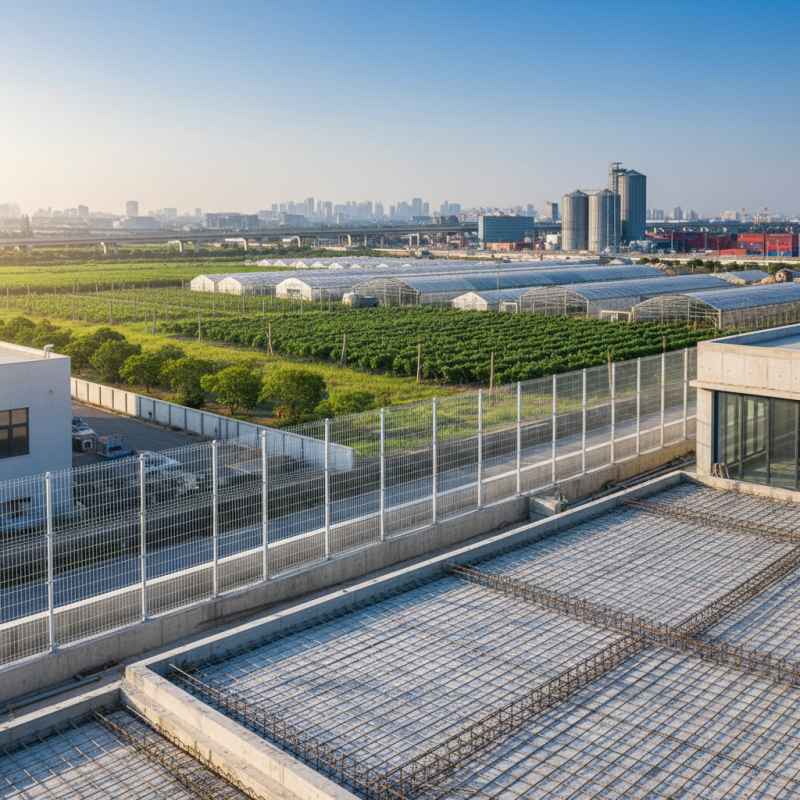
2026 Projected Growth of the Global Welded Wire Mesh Market
The global welded wire mesh market is on an upward trajectory, poised for significant growth in the coming years. This growth stems from increasing demand across various sectors such as construction, agriculture, and industrial applications. As urbanization accelerates, such materials become vital for infrastructure projects. Builders require high-quality welded wire mesh for durability and safety.
Key markets show diverse needs. In agriculture, farmers utilize welded wire mesh for fencing to protect crops and livestock. In construction, it provides structural support, enhancing stability. Furthermore, the industrial sector uses it for shelving, security, and storage solutions. Each application highlights the versatility of welded wire mesh.
However,
challenges may arise. Not all manufacturers meet quality standards, leading to potential safety concerns. Buyers must
research suppliers thoroughly. Variations in mesh quality can impact performance. Stakeholders should remain vigilant about regulations. Professional expertise in material selection is essential. Ensuring that the product meets specific requirements can prevent future issues.
Key Industries Driving Demand for Welded Wire Mesh in 2026
The demand for welded wire mesh is set to surge in 2026, driven primarily by key industries such as construction and agriculture. According to a recent market analysis, the construction sector is projected to grow at a compound annual growth rate (CAGR) of 4.5% from 2021 to 2026. This increase directly implies a rising need for durable and reliable welded wire mesh for reinforcement purposes. Structural applications are crucial, helping to increase the strength and longevity of infrastructures like bridges, buildings, and roads.
In agriculture, welded wire mesh serves multiple functions, from fencing to crop protection. The global agriculture sector is expanding, with a reported increase in greenhouse farming. This requires innovative solutions. The mesh provides a protective barrier while allowing for ventilation and sunlight. Data from industry reports indicate that as many as 60% of agricultural producers will adopt this material by 2026 to combat pests and enhance plant growth. However, the sustainability of materials poses a challenge. Striking a balance between performance and environmental impact is vital for future growth.
Innovative Applications of Welded Wire Mesh in Construction and Agriculture
Welded wire mesh has become a crucial resource in construction and agriculture. In the construction sector, it serves various purposes, such as reinforcing concrete structures and providing safety barriers. According to a recent market analysis, the demand for welded wire mesh in construction is projected to grow by 5.5% annually. This increase is largely driven by the rising need for durable materials that enhance structural integrity.
In agriculture, welded wire mesh offers innovative solutions for livestock enclosures and crop protection. Farmers utilize it to secure fields against pests and create resilient fencing systems. A study from the Agricultural Wire Mesh Institute highlights that effective fencing can reduce crop damage by up to 30%. Despite these benefits, concerns about sustainability and environmental impact persist. Not all materials used for welded wire mesh are eco-friendly. It's essential for buyers to consider sustainable options.
Integrating welded wire mesh with modern technologies shows great potential. For instance, combining it with smart sensors can lead to smarter agricultural practices. However, there’s room for improvement in data integration. The lack of standardized protocols may hinder wider adoption. As industries evolve, innovations must also focus on eco-friendly production methods while maintaining performance and durability.
Environmental Impact and Sustainability Trends in Welded Wire Mesh Production
As the world increasingly focuses on sustainability, the welded wire mesh industry is evolving. Environmental impact plays a crucial role in how products are manufactured and consumed. Producers are adopting greener practices, reducing waste, and using recycled materials. This shift not only supports the environment but also caters to the growing demand for sustainable products.
Today's buyers value products with a reduced environmental footprint. Companies are investing in eco-friendly production methods. For instance, energy-efficient processes help lower emissions and conserve resources. More manufacturers are exploring biodegradable options too. These trends reflect a strong commitment to sustainability.
Tip: When choosing welded wire mesh, ask suppliers about their sustainability practices. Ensure they prioritize eco-friendly materials and processes. This simple inquiry can help you make informed decisions.
It's essential to recognize the challenges in making these changes. Many manufacturers struggle with the costs of green technologies. Additionally, regulatory compliance can be daunting. These factors highlight the need for continuous innovation and improvement in the industry. It's a complex landscape that requires a balanced approach between profit and sustainability.
2026 Top Welded Wire Mesh Applications for Global Buyers
| Application Area | Description | Environmental Impact | Sustainability Trends |
| Construction | Used for reinforcement in walls and ceilings. | Reduced carbon footprint through lightweight materials. | Increasing use of recycled materials. |
| Agriculture | Protects crops from animals and pests. | Minimizes pesticide usage. | Trend towards organic farming solutions. |
| Transportation | Used in highway fencing and railway safety barriers. | Enhances safety for wildlife and vehicles. | Increasing focus on eco-friendly designs. |
| Mining | Supports the structural integrity of open-pit mines. | Potential for land rehabilitation. | Adoption of sustainable mining practices. |
| Aquaculture | Used for fish farming enclosures. | Supports aquatic biodiversity. | Trend towards eco-friendly farming methods. |
Regional Analysis: Major Markets for Welded Wire Mesh in 2026
In 2026, the global welded wire mesh market is expected to witness significant growth. Major markets will emerge across various regions, driven by increasing construction activities and infrastructure development. According to industry reports, North America and Asia-Pacific are projected to dominate the market, collectively accounting for over 60% of global demand.
North America sees a growing adoption of welded wire mesh in residential and commercial projects. The increasing need for security fencing and concrete reinforcement systems drives this trend. Meanwhile, Asia-Pacific countries, such as China and India, are investing heavily in urban development, which further fuels the demand. Reports suggest that the market in this region could grow at a CAGR of 7.5% between 2021 and 2026.
While the potential is enticing, challenges remain. Supply chain disruptions and fluctuating raw material costs pose risks to manufacturers. There is also a growing concern over sustainability practices. Companies might need to rethink production methods to meet evolving regulatory standards. Balancing demand with responsible sourcing may become a key focus area in the coming years.