


Request a free quote Phone Icon
die cutting materials

Blog

10 Transformer Switch Gear Buying Tips for Global Buyers?

Choosing Transformer Switch Gear for an international project takes more than comparing prices and product photos. A compact unit may suit a dry indoor room but perform poorly in a humid coastal plant or dusty substation. Buyers should match rated voltage, continuous current, short-circuit withstand, insulation level, and operating frequency to the project design. Small details matter. A mismatched cable termination can delay installation, while unclear drawings can complicate commissioning. Check the nameplate.

Global purchases add practical questions. Confirm which technical standards and certifications apply to the installation, and ask suppliers for test reports, dimensional drawings, and clear warranty terms. Also review enclosure protection, ambient temperature limits, spare-parts availability, shipping arrangements, and local service support. Delivery dates deserve scrutiny; a low quote is less attractive if essential components arrive late. Even experienced teams can miss a detail when reviewing unfamiliar specifications. That is worth admitting, not hiding.

This guide presents ten buying tips to help procurement teams compare offers with greater confidence. It covers supplier evaluation, technical compatibility, factory testing, documentation, and after-sales support. The goal is not to choose the most elaborate switchgear, but to select equipment that fits the actual system and operating environment. Project requirements differ, so involve qualified electrical professionals before approving a final specification. A careful review now can prevent costly changes later.
10 Transformer Switch Gear Buying Tips for Global Buyers?

Understand Transformer Switchgear Types and Their Applications

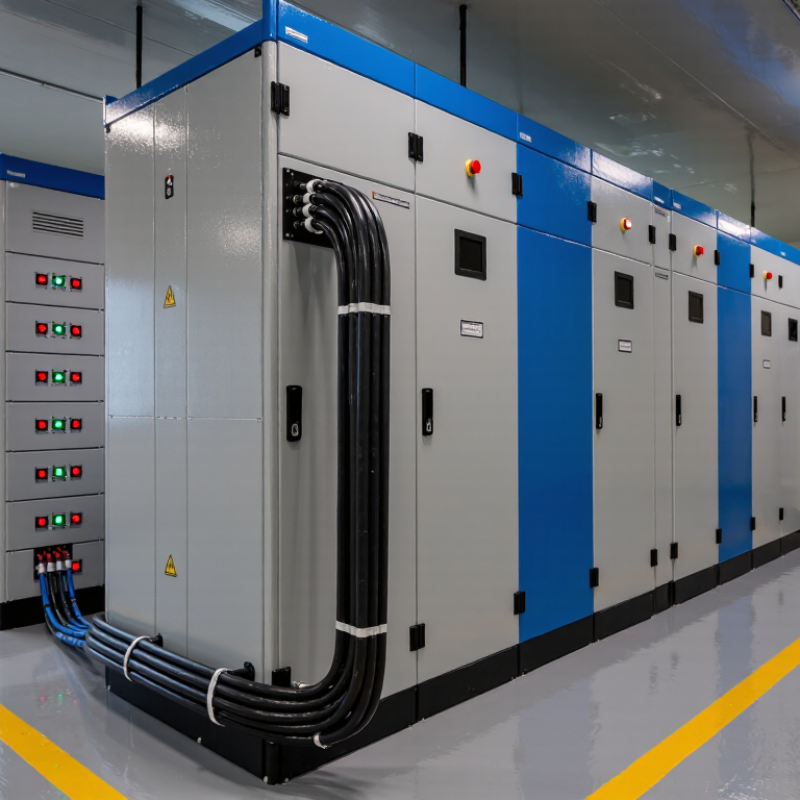
Transformer switchgear protects the transformer and isolates it during faults or maintenance. The right type depends on voltage, fault level, site space, and operating conditions. Air-insulated switchgear (AIS) is common in outdoor substations where space and access are available. Gas-insulated switchgear (GIS) suits compact indoor sites or dense urban installations. Metal-enclosed medium-voltage units often serve factories, commercial buildings, and distribution substations. Space is tight. Each design brings different inspection and maintenance needs.

For medium-voltage equipment, IEC 62271-200 covers metal-enclosed switchgear rated above 1 kV and up to 52 kV. Check that the selected equipment’s ratings match the transformer, protection settings, and expected short-circuit current. The IEA’s Electricity Grids and Secure Energy Transitions report says annual grid investment needs to rise from about USD 300 billion to over USD 600 billion by 2030. That broader grid outlook makes reliable equipment selection increasingly important, but it does not determine one best switchgear type. Retrofit details can be messier than a specification sheet suggests.

Tip: Ask suppliers for insulation, temperature-rise, and short-circuit test evidence. Confirm cable entry direction and maintenance clearance using the actual site layout. For coastal or dusty locations, review enclosure protection and corrosion provisions. Don’t choose on footprint alone. Check spare-part access, too.

Define Electrical, Environmental, and Safety Requirements

Before requesting quotations, define the electrical duty at the installation point. Record nominal voltage, frequency, maximum load, fault level, and the transformer’s impedance. Specify the switching arrangement, earthing method, protection functions, and any interlocking between devices. Ask for drawings showing cable entry, bus connections, clearances, and maintenance access. Small details matter.

Environmental conditions shape equipment selection as much as ratings do. State whether the unit is indoors or outdoors, along with ambient temperature, altitude, humidity, dust, salt, and water exposure. A coastal site may need corrosion-resistant finishes, while a dusty plant room may require suitable enclosure protection and planned cleaning. Check whether ventilation, condensation control, or seismic requirements apply at the actual location. Do not copy a nearby project’s specification without checking.

Safety requirements should be measurable. Confirm applicable local standards with a qualified electrical engineer. Then define arc-fault mitigation, access control, warning labels, and safe isolation procedures. Request test records and clear operating instructions for the supplied configuration. Keep records. A neat specification does not prove that every site risk has been considered. Review assumptions with installers; cable routing and cramped switchrooms often expose gaps late. This can be frustrating, but a second review may prevent costly redesign.

Compare Ratings, Standards, and Essential Technical Features

When comparing transformer switchgear, match the rated voltage to the transformer and system, not just the catalog headline. Check continuous current, short-circuit withstand, and frequency against the project’s actual load and fault study. A high current rating cannot compensate for inadequate fault capacity. Small details matter. Confirm whether the stated insulation level suits the installation altitude and expected surge exposure. Also compare indoor or outdoor construction, enclosure protection, and operating temperature limits.

Standards need careful reading. Ask which IEC or IEEE requirements apply, and verify that the offered equipment and test reports follow the project specification and local utility requirements. Names alone are not enough; editions and test scope can differ. Check drawings for clearances, cable entry direction, grounding points, and space for maintenance.

Request details on interlocks, protection devices, control voltage, and spare parts. A neat comparison table can still hide mismatched assumptions. I would not treat a low price as a saving until delivery scope, routine tests, documentation, and commissioning support are clear. Some requirements may change after the site survey, so record assumptions and confirm them before ordering.

Evaluate Manufacturers, Certifications, and After-Sales Support

Before comparing prices, inspect how a manufacturer controls design changes, assembly, and final testing. Ask for test records from equipment with ratings similar to your project. Check that certificates and reports identify the exact switchgear model, voltage, and applicable standard. Verify documents with the issuing body where possible. Good records matter. Request references from installations in similar climates or operating conditions. A factory visit can reveal orderly production, but it cannot replace traceable quality records or clear answers about defects.

Certifications deserve careful checking, not just a logo on a brochure. Confirm their scope, validity, and relevance to the destination market with your technical team. Then examine after-sales support: commissioning guidance, operator training, spare-parts availability, and response times for troubleshooting. Ask who handles a fault outside business hours and where replacement components ship from. Get warranty limits, service contacts, and escalation steps in writing. During evaluation, describe a real scenario, such as a protection relay alarm during commissioning, and ask how support would proceed. A polished presentation is not proof of fast service; procurement teams sometimes overlook this. Keep the service plan with the equipment records, so site staff can find it quickly.

Plan Costs, Delivery, Installation, and Long-Term Maintenance

A switchgear price is only the starting point. Compare the complete landed cost, including packing, freight, insurance, import charges, and site handling. Ask whether the quote covers testing, spare parts, and commissioning support. These items can change the budget quickly. Keep a contingency for exchange-rate changes and unexpected port or storage delays. A precise estimate is useful, but it is rarely perfect.

Delivery planning should begin with the project schedule and site constraints. Confirm dimensions, lifting points, access routes, and unloading equipment before shipment. Check that voltage, frequency, protection settings, and cable connections match the project drawings. Allow time for inspection on arrival and for qualified personnel to install and commission the equipment. A missed clearance can stop a whole installation. Small details matter.

Long-term cost depends on maintenance access and local support. Confirm which routine inspections are recommended, how quickly critical spares can be supplied, and whether service staff can reach the site. Dust, humidity, and heat may affect inspection needs, so use actual site conditions when planning intervals. Keep test results and maintenance records together. One forecast may still be wrong; review it after the first year of operation.