Ultimate Guide to Valve Lockout Chain Benefits and Uses?
In various industries, the safety of workers is paramount. One effective tool for ensuring that safety is maintained is the Valve Lockout Chain. This device plays a critical role in preventing accidental valve operation during maintenance or servicing. Its practical design allows for easy application, ensuring that valves remain inoperative until the necessary work is completed.
Employing a Valve Lockout Chain provides numerous benefits. It enhances workplace safety by reducing the risk of unintentional releases of hazardous substances. Additionally, it promotes compliance with safety regulations, showing that a company values its employees’ well-being. However, relying solely on this tool may lead to complacency if not combined with proper safety training. Regular audits and maintenance of lockout devices ensure their effectiveness.
Understanding the benefits and proper uses of a Valve Lockout Chain is essential for any industrial operation. It reflects a commitment to safety and responsibility. Organizations must evaluate their current practices and reflect on areas for improvement in lockout procedures to foster a culture of safety.
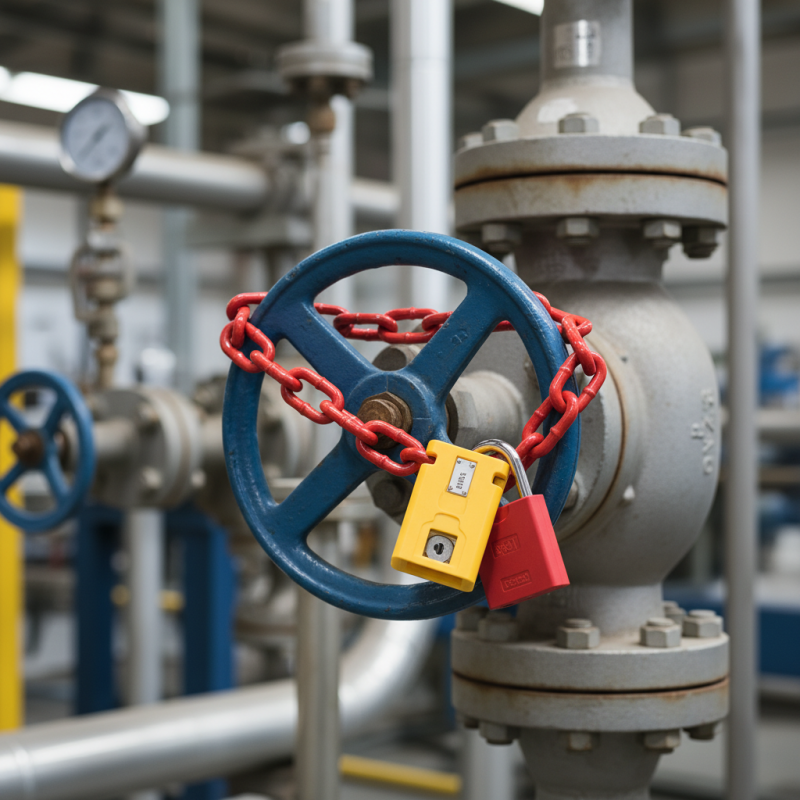
Understanding Valve Lockout Chains: Definition and Purpose
Valve lockout chains are essential safety tools used in industrial settings. Their primary purpose is to ensure that valves cannot be unintentionally operated during maintenance or repairs. According to the Occupational Safety and Health Administration (OSHA), proper lockout/tagout procedures can reduce workplace injuries by up to 25%. This statistic underlines the importance of having reliable lockout systems in place.
The use of valve lockout chains offers significant benefits. They provide a clear visual indication that a valve is locked out, which helps prevent accidental activation. These chains are designed to fit various valve types and sizes. A well-documented industry report notes that 70% of lockout/tagout-related incidents arise from improper use or misunderstanding of safety protocols. Regular training and proper equipment like lockout chains can significantly mitigate these risks.
Despite the advantages, not all facilities implement lockout chains effectively. Some may overlook the necessity for regular inspections or fail to train employees adequately on their use. It is vital for organizations to assess their current lockout procedures. Identifying gaps can enhance safety and efficiency on the job site. By understanding the definition and purpose of valve lockout chains, facilities can better protect their workers and minimize downtime.
Key Benefits of Using Valve Lockout Chains in Safety Protocols
Valve lockout chains play a crucial role in enhancing workplace safety. They serve as a visual and physical barrier against accidental valve operation. When properly used, these chains effectively prevent unexpected energy release during maintenance. This greatly reduces the risk of injuries and equipment damage. Many facilities have reported a decrease in accidents after adopting these safety measures.
One key benefit of valve lockout chains is their ease of use. They can be quickly applied and removed by trained personnel. Using bright colors and clear signage makes the chains easily noticeable. This helps ensure all team members are aware of locked-out valves. However, improper application can lead to safety risks. Employees may neglect to follow lockout procedures, creating vulnerabilities. Regular training and reminders are essential to maximize the effectiveness of these safety protocols.
In addition to improving safety, valve lockout chains offer cost savings. Fewer accidents translate to less downtime and reduced repair costs. Maintenance teams can focus on their tasks without constant worry. Yet, investing in quality lockout equipment is important. Cheap alternatives may not withstand harsh conditions. Evaluating the specific needs of a facility can lead to better purchasing decisions. Ultimately, the thoughtful integration of valve lockout chains enhances safety and productivity in any industrial setting.
Key Benefits of Using Valve Lockout Chains
Common Applications of Valve Lockout Chains in Industrial Settings
In industrial settings, valve lockout chains play a crucial role in safety. They prevent unauthorized access to shut-off valves during maintenance. This is vital for protecting workers from accidents caused by unexpected machinery operation. Industries such as oil and gas, manufacturing, and chemical processing commonly use these chains.
Using valve lockout chains involves significant benefits. They promote compliance with safety regulations. Workers are reminded not to interact with equipment when a chain is in place. This visual cue is simple yet effective. It minimizes errors during important operations.
Tips: Always inspect lockout chains before use. Look for any signs of wear or damage. Chains should fit securely around valves. Training employees is equally important. Ensure everyone understands the purpose of these safety measures. Regularly review safety protocols to adapt to changing environments. This approach ensures a consistent commitment to safety, yet reflects evolving industry practices and standards.
Best Practices for Implementing Valve Lockout Chains Effectively
Implementing valve lockout chains effectively requires a clear understanding of their purpose. These chains ensure that valves cannot be accidentally opened during maintenance or servicing. A well-implemented lockout chain reduces the risk of accidents. It creates a physical barrier preventing unauthorized access. This method enhances safety in industrial environments, where hazards can be significant.
Training is crucial. Employees must understand why and how to use lockout chains. Regular training sessions can increase awareness. Staff should know the steps for locking and unlocking valves. Clear labeling also helps. Labels on chains should state the valve’s status or any warnings. This ensures that everyone involved is aware of the situation.
Regular inspections of lockout systems are important. Chains should be checked for wear or damage. Reflecting on their effectiveness can lead to improvements. Gathering feedback from employees can uncover challenges. It’s important to address these issues. Continuous improvement keeps safety practices current.
Ultimate Guide to Valve Lockout Chain Benefits and Uses
| Benefit | Description | Best Use Case |
| Safety | Ensures that valves remain in the off position to prevent accidental releases. | During maintenance and repairs. |
| Compliance | Helps meet regulatory safety requirements for industrial operations. | In environments with strict OSHA regulations. |
| Visibility | Color-coded chains enhance visibility of locked valves, aiding in safety checks. | Complex facilities with multiple valves. |
| Versatility | Can be used across different types of valves and equipment. | Manufacturing and maintenance sectors. |
| Ease of Use | Simple to install and remove, making implementation quick and efficient. | Routine maintenance procedures. |
Choosing the Right Valve Lockout Chain for Your Needs
When choosing the right valve lockout chain, consider both its material and design. A robust chain ensures durability in various industrial settings. Opt for options that resist wear and tear, especially in high-stress environments. Color-coding can also play a crucial role, making it easier to identify different lockout points quickly.
Tips: Always assess the potential hazards in your workspace before selecting a chain. Knowing what you're protecting against helps in making the best choice.
Also, remember the chain size. A chain too long can create tangles, while a too-short one might not effectively secure the valve. Ensure that the chain fits snugly around the valve for maximum safety. Inadequate fitting can lead to accidental releases, raising safety concerns.
Tips: Measure your valves accurately. Getting the correct dimensions can save you time and enhance safety. It’s not just about securing; it’s about being precise.