


Request a free quote Phone Icon
die cutting materials

Blog

What Is an ENT Microscope Manufacturer?

An Ent Microscope Manufacturer designs, builds, tests, and supports optical systems for ear, nose, and throat procedures. This role extends beyond assembling lenses and illumination modules. It involves optical engineering, ergonomic design, sterile workflow planning, electrical safety, and service reliability. In a treatment room, a surgeon may adjust magnification with one hand while viewing a narrow ear canal. Small control errors can affect comfort, precision, and operating time.

The World Health Organization’s World Report on Hearing states that more than 1.5 billion people live with hearing loss worldwide. It projects that nearly 2.5 billion people may experience hearing loss by 2050. These figures do not directly measure microscope demand, but they explain the growing need for specialized otologic care. Industry analyses from Grand View Research and MarketsandMarkets also identify surgical and operating microscopes as expanding medical technology segments. Their market estimates differ. That difference deserves attention.

Ent Microscope Manufacture should therefore be evaluated through evidence, not marketing language. A credible producer should explain working distance, magnification ranges, illumination intensity, camera integration, sterilization compatibility, and service response. ISO 10936-1 provides relevant requirements for operating microscopes, while regional medical-device rules govern market access and documentation. Buyers should request test records, quality certificates, clinical user feedback, and maintenance procedures. A polished image is not enough. The manufacturer’s field experience matters, especially when surgeons need stable focus, shadow control, and smooth positioning during delicate procedures. Some product comparisons remain overly broad, so readers should verify every specification before making a purchasing decision.
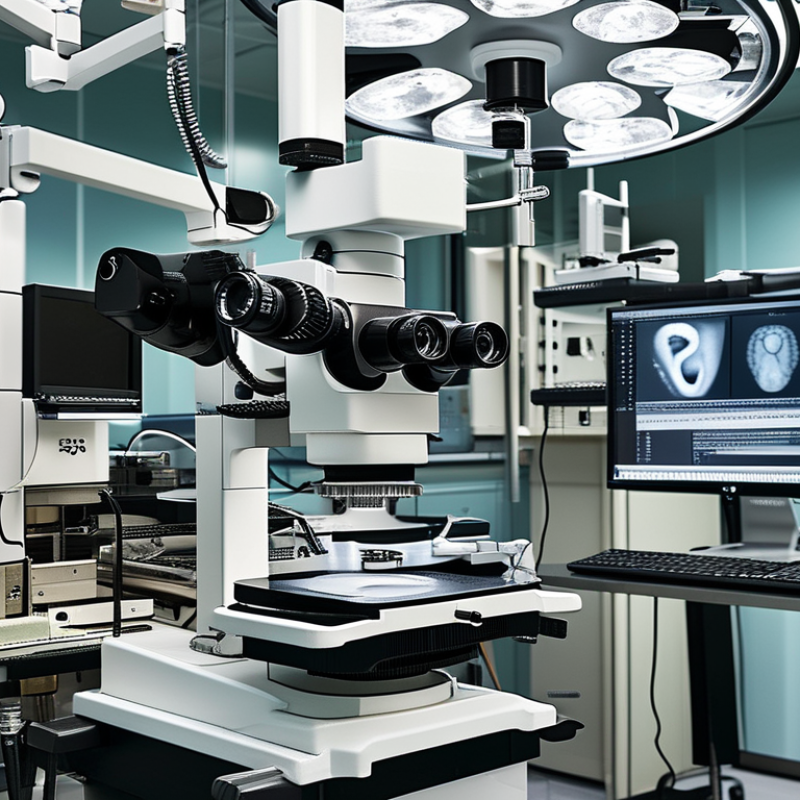
What Is an ENT Microscope Manufacturer?

Definition and Core Role of an ENT Microscope Manufacturer

What Is an ENT Microscope Manufacturer?

An ENT microscope manufacturer designs and produces optical systems for ear, nose, and throat care. Its core role extends beyond assembling lenses and surgical lights. The manufacturer converts clinical needs into stable magnification, accurate focusing, and comfortable positioning. In a treatment room, this means revealing a narrow ear canal, delicate nasal tissue, or vocal cord edge without forcing the clinician to lean forward.

The need is substantial. The World Health Organization’s World Report on Hearing estimates that over 1.5 billion people live with hearing loss worldwide. It projects this figure could reach 2.5 billion by 2050. These figures do not measure microscope demand directly, but they show the growing pressure on ENT services. Grand View Research also identifies otolaryngology as an important application area within the surgical microscopes market. The numbers are useful, though they can simplify real clinical conditions.

A reliable manufacturer validates illumination, optical clarity, mechanical balance, and cleaning compatibility. It should support training, maintenance, and documented quality processes, including ISO 13485-based medical device controls. Experienced engineers test the microscope under practical conditions, not only in a laboratory. A surgeon may need one-handed adjustment while holding an instrument. Small delays matter. Still, no microscope solves every clinical problem. Users should question field depth, working distance, camera integration, and service response before purchase. Credible manufacturers explain these limits clearly.

Key Products and Technologies in ENT Microscopy

An ENT microscope manufacturer develops optical systems for ear, nose, and throat procedures. Its work includes surgical microscopes, examination microscopes, camera modules, stands, and illumination units. Reliable manufacturers study real clinical routines, not only laboratory measurements. They consult surgeons, nurses, and clinical engineers before refining a design.

Key products include binocular operating microscopes with adjustable magnification and bright coaxial lighting. Some systems add high-definition imaging, video recording, digital documentation, or 3D viewing. Ergonomic suspension arms can reduce neck strain during long procedures. Foot controls may adjust focus, zoom, and image capture without interrupting sterile technique. Sealed surfaces and compatible accessories also support practical cleaning routines. A technical brochure cannot reveal everything. Vibration, glare, awkward cables, or slow controls may appear only during daily use.

Tips: Test the microscope with actual instruments and typical patient positions. Check the working distance carefully. Ask how replacement parts, calibration, training, and software updates are handled. Compare image clarity at low and high magnification. Do not ignore the operator’s posture. Small discomfort becomes important after several hours. A balanced evaluation should include clinical performance, service reliability, and total ownership cost. No system is perfect. The better choice often depends on workflow, room size, and the team’s honest feedback.

What Is an ENT Microscope Manufacturer? - Key Products and Technologies in ENT Microscopy

Product Category What It Is Core Optical Technologies Typical ENT Applications Common Technical Features Manufacturer Considerations
Operating Microscope A binocular surgical microscope designed to provide magnified, illuminated, and stereoscopic visualization during ENT procedures. Achromatic or apochromatic optics, binocular viewing, variable magnification, parfocal optical design, and coaxial illumination. Ear surgery, tympanoplasty, mastoid surgery, stapedectomy, laryngeal procedures, and selected nasal operations. Magnification commonly covering low to high power; long working distance; fine focus; adjustable interpupillary distance; assistant viewing options. Optical clarity, mechanical stability, ergonomic positioning, sterile-surface design, and compatibility with surgical documentation systems.
ENT Examination Microscope A compact microscope intended for outpatient examination, diagnosis, minor procedures, and patient consultation. Binocular optics, LED coaxial illumination, zoom or stepped magnification, and integrated image capture. Routine examination of the ear canal, tympanic membrane, nasal cavity, nasopharynx, and oropharynx. Floor-standing, wall-mounted, or tabletop configuration; smooth focusing; adjustable patient-side illumination; optional video output. Ease of use, small clinical footprint, cleaning access, patient comfort, and efficient switching between observation and imaging.
Video Otomicroscope An otologic microscope equipped with a camera for displaying and recording magnified images of the ear. High-resolution digital camera, optical zoom, coaxial illumination, image processing, and monitor connectivity. Otitis assessment, tympanic membrane evaluation, foreign-body removal, postoperative review, and patient education. Live video display, still-image capture, video recording, digital storage, and optional annotation or measurement tools. Color accuracy, low-latency display, reliable camera integration, data export, and compliance with clinical information workflows.
Examination Exoscope A digital surgical visualization system that uses an external camera instead of direct binocular eyepiece observation. High-definition or ultra-high-definition imaging, digital zoom, 3D visualization options, and large-screen display. Teaching, documentation, outpatient examination, selected microsurgical procedures, and collaborative consultations. Hands-free viewing, shared screen image, digital recording, adjustable camera distance, and ergonomic monitor positioning. Image latency, depth perception, lighting uniformity, display quality, software stability, and integration with operating-room systems.
Microscope Stand and Positioning System A mechanical or motorized support platform that positions the microscope accurately around the patient and surgical field. Counterbalanced arms, electromagnetic or mechanical brakes, motorized movement, and position-memory functions. Operating-room microsurgery, examination rooms, and procedures requiring frequent changes in viewing angle. Stable base, long-reach arm, height adjustment, controlled movement, cable management, and optional ceiling or wall mounting. Load capacity, vibration control, footprint, maneuverability, safety stops, serviceability, and compatibility with the optical head.
Illumination Module The light source and optical delivery system that provides focused illumination of narrow ENT anatomical spaces. LED or xenon light sources, fiber-optic transmission, coaxial illumination, brightness control, and heat management. Examination and surgery of the ear, nose, throat, and larynx where shadow-free illumination is required. Adjustable intensity, consistent color temperature, long operating life, focused light path, and illumination-failure indicators. Light uniformity, color rendering, thermal safety, replacement procedures, optical coupling, and electrical reliability.
Imaging and Documentation System A camera, monitor, recording, and data-management package used to document clinical findings and procedures. Digital image sensors, HDMI or network video interfaces, white-balance control, image enhancement, and recording software. Clinical records, patient communication, medical education, case review, research, and multidisciplinary consultation. High-definition capture, still-image export, video recording, date and case labeling, external storage, and monitor sharing. Data security, interoperability, image consistency, user access controls, backup procedures, and applicable privacy requirements.
Manufacturer Role An organization that designs, engineers, assembles, tests, and supports ENT microscopy equipment and related accessories. Optical engineering, precision mechanics, illumination design, digital imaging, software integration, and human-factors engineering. Delivery of complete systems for examination, microsurgery, teaching, documentation, and clinical workflow improvement. Design verification, optical and mechanical calibration, electrical safety testing, quality control, technical documentation, and training. Regulatory pathway, service network, spare-parts availability, installation support, cybersecurity, warranty terms, and lifecycle maintenance.

Note: Technical specifications vary by configuration, clinical application, local regulations, and system options.

How ENT Microscope Manufacturers Design and Produce Equipment

What Is an ENT Microscope Manufacturer?

How ENT Microscope Manufacturers Design and Produce Equipment

An ENT microscope manufacturer develops precision equipment for examining the ear, nose, and throat. The work begins with clinical observation, not only a product sketch. Engineers consult surgeons about viewing angles, working distance, and hand control. Small details matter. A stiff focus knob can interrupt a delicate procedure.

Design teams combine optical engineering, mechanical structure, illumination, and digital imaging. They select lenses that provide clear magnification across practical viewing ranges. LED lighting must remain bright without creating excessive heat near the patient. Adjustable arms need smooth movement and stable positioning. The stand should feel solid, but not unnecessarily heavy.

Prototypes are tested with anatomical models and clinical-use scenarios. Technicians check image sharpness, color consistency, vibration, electrical safety, and cleaning access. Production workers then machine or mold components, assemble optical paths, and calibrate each unit. Every adjustment should be traceable through documented inspection records. Quality control is not a single final check.

No design is flawless. A prototype may look excellent in a laboratory yet feel awkward beside an operating chair. Experienced manufacturers invite clinician feedback and revise the structure. They also monitor field reports after delivery, because real procedures reveal problems that testing can miss. Reliable production depends on repeatable processes, trained staff, careful packaging, and responsive technical support. Some improvements begin with an uncomfortable complaint.

Typical ENT Microscope Magnification Levels

ENT microscope manufacturers commonly design optical systems with several selectable magnification steps. These representative levels support both a broad surgical view and detailed inspection of small anatomical structures.

The values show magnification levels commonly used in ENT surgical microscope configurations. Actual specifications vary according to the optical design, working distance, eyepieces, and zoom mechanism.

Quality Standards, Testing, and Regulatory Compliance

What Is an ENT Microscope Manufacturer?

An ENT microscope manufacturer does more than assemble lenses, lights, and mechanical arms. It builds a controlled medical device system for delicate procedures. Experienced manufacturers document optical alignment, illumination consistency, focus accuracy, and arm stability during production. Each unit should pass visual inspection, electrical safety testing, and performance verification before shipment.

Quality begins with a traceable management system. ISO Survey 2023 reported more than 36,000 ISO 13485 certificates worldwide, showing the standard’s influence across medical-device production. However, certification alone proves little. Auditors and buyers should review calibration records, supplier controls, complaint handling, and corrective-action evidence. Small gaps matter. A loose joint can disturb a surgeon’s view.

Testing should follow relevant requirements, including IEC 60601-1 for electrical safety, IEC 60601-1-2 for electromagnetic compatibility, and ISO 14971 for risk management. Manufacturers also need documented software, cleaning, packaging, and usability checks when applicable. In 2023, U.S. regulatory data recorded more than 1,000 medical-device recalls, according to FDA enforcement information. That figure reinforces a practical lesson: testing cannot stop at the factory door.

Regulatory compliance also depends on market location. The European Union requires appropriate conformity assessment under the Medical Device Regulation, while the U.S. FDA Quality Management System Regulation becomes effective on February 2, 2026. It aligns key quality requirements with ISO 13485:2016. A reliable manufacturer keeps technical files current and supports post-market surveillance. No system is flawless. Honest review remains part of quality.

Choosing an ENT Microscope Manufacturer for Clinical Needs

An ENT microscope manufacturer does more than assemble a surgical optical device. It designs the optical path, illumination system, mechanical stand, controls, and clinical documentation. For hospitals, choosing an ENT microscope manufacturer should begin with patient volume and procedures. Office examinations need compact movement and bright, shadow-free lighting. Ear surgery demands stable positioning, fine depth perception, and smooth focus control.

The World Health Organization’s World Report on Hearing estimates that over 1.5 billion people live with hearing loss worldwide. This growing clinical need makes reliable examination equipment increasingly important.

A suitable manufacturer should provide documented optical performance, infection-control guidance, and compliance with relevant medical-device standards, including IEC 60601-1 and ISO 13485 quality systems. Ask for service response times, spare-parts availability, user training, and maintenance records. These details affect daily clinical continuity more than impressive brochures.

Look through the microscope before purchase. Check image brightness at working distance, handle balance, and pedal response. Test whether the surgeon can maintain a neutral neck position during a long procedure. Integration with video recording or teaching systems may also support training and documentation.

I would not judge quality from magnification alone. Higher magnification can narrow the field and complicate hand movements. That trade-off is easy to miss.

Reports from clinical equipment evaluations often emphasize usability and workflow, yet individual operating rooms still require direct trials. A manufacturer willing to arrange realistic demonstrations usually shows stronger accountability than one offering only specifications.