
Choosing the 2026 Best Micro CNC Milling Machine for Global Buyers requires more than comparing prices and advertised specifications. A credible evaluation must examine spindle runout, machine rigidity, work-envelope size, repeatability, software compatibility, and after-sales support. These details become visible when a 0.5-millimeter cutter machines aluminum, brass, or engineering plastic. Vibration can leave visible marks. Weak documentation can create expensive delays.
A practical buyer should also check voltage options, shipping protection, replacement-part availability, training resources, and regional service coverage. A compact machine may fit neatly beside a workbench, but its real value depends on stable accuracy and predictable operation. Neil Gershenfeld, director of MIT’s Center for Bits and Atoms, stated, “The revolution is not about making things; it’s about making things that make things.” His observation reflects the wider promise of a micro cnc milling machine: turning digital designs into precise physical components.
No machine wins every category. Some models offer impressive resolution but limited rigidity. Others provide stronger frames but require better tooling and more experienced operators. This guide compares leading options through an international purchasing lens, including performance, usability, maintenance, safety, and total ownership cost. It also recognizes an uncomfortable truth: published specifications do not always predict workshop results. Real outcomes depend on calibration, material choice, tool condition, and operator judgment. Buyers should treat rankings as guidance, not certainty. Precision matters. So does restraint.
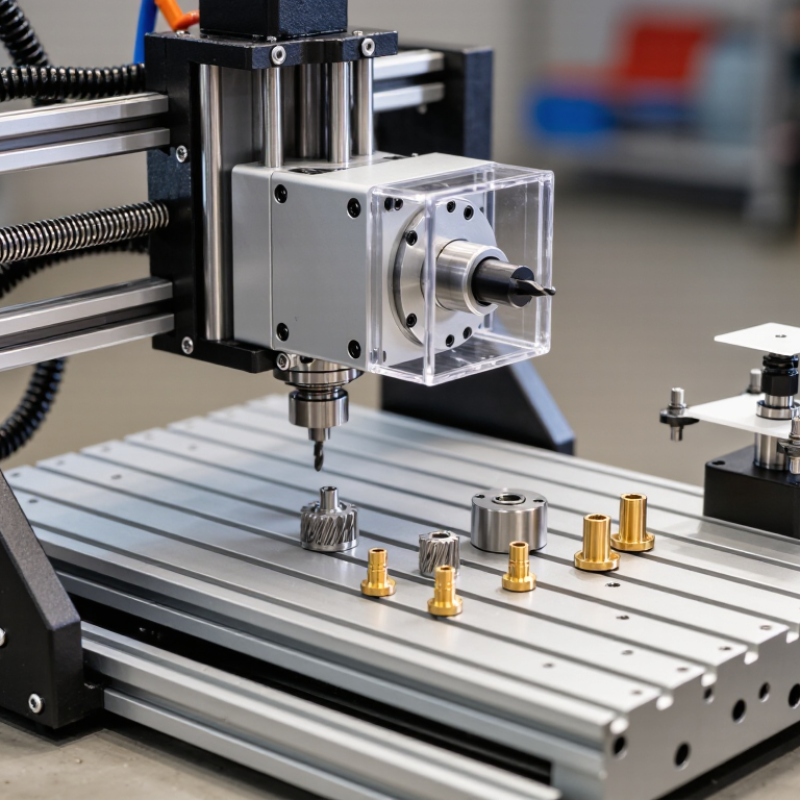
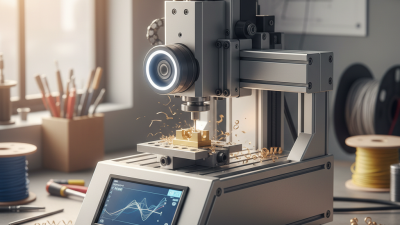
A micro CNC milling machine is a compact subtractive manufacturing system. It removes material with a rotating cutting tool, rather than building a part layer by layer. Small footprint, serious control. Most models use three controlled axes, while advanced machines add rotary motion. The worktable holds a vise or fixture. The spindle guides drills, end mills, and tiny engraving cutters. This setup suits prototypes, instrument parts, educational work, and small precision components. It is not simply a smaller desktop router.
Its value comes from controlled movement, repeatability, and stable cutting. A rigid frame reduces vibration when machining aluminum, brass, plastics, or softer steel. Ball screws, linear guides, spindle speed, and software compatibility deserve close inspection. Buyers should check working travel, tool capacity, positioning accuracy, and available power before comparing prices. A machine with impressive resolution may still produce poor parts if the frame flexes or the fixture slips. Chips also need removal. Tiny cutters break easily. Clean coolant management matters.
In a real workshop, setup often consumes more time than cutting. Squaring the table, measuring tool length, and securing stock affect the final result. One practical test is a small pocket with a drilled hole and a measured edge. It exposes backlash, chatter, and thermal drift. Specifications are useful, but they are not the whole truth. I would also ask for test-cut data, maintenance instructions, electrical details, and operator training. Some choices look efficient at purchase, yet become costly when spare tooling or technical support is difficult to obtain.
Global buyers should compare specifications, not attractive photographs. A useful micro CNC mill needs adequate X, Y, and Z travel for the intended parts. Check spindle speed, torque, taper type, and continuous-duty power. High RPM supports aluminum and plastics, while stable torque matters for steel. The frame should resist vibration, especially during small-tool cutting. Positioning accuracy and repeatability must be listed separately. A manufacturer should provide test conditions, measurement methods, and tolerance data. Grand View Research valued the global CNC machine market at approximately USD 83 billion in 2023, with strong projected growth through 2030. That expansion makes honest specification comparisons more important.
Consider the work envelope, table load, tool-changing system, cooling method, and control compatibility. For international purchasing, also verify voltage, frequency, documentation, spare-part access, and remote service response.
ISO 230-2 provides a recognized method for testing positioning accuracy, but reported results still depend on temperature and machine setup. I would not trust a brochure claiming micron-level performance without a test certificate.
Small is not simple. My own comparison sheets sometimes overemphasize speed and underweight rigidity; that is a costly mistake.
Tips: Ask for a sample-cut video and dimensional inspection report. Compare repeatability after several hours of operation, not only at startup. Confirm whether software, tooling, freight protection, and operator training are included. Leave space for maintenance access. A compact machine can still require serious floor planning.
For global buyers in 2026, the best micro CNC milling machine depends on material, task, and workspace.
A compact benchtop model suits prototypes, small brackets, instrument parts, and educational workshops. Its rigid frame matters more than impressive spindle speed. Vibration can ruin a precise slot within seconds.
Aluminum cuts efficiently with sharp carbide tools and steady chip removal.
Stainless steel needs stronger rigidity, slower cutting, and careful heat control.
Copper requires sharp tooling because it can grab the cutter.
Plastics need low heat and reliable clamping. Short tools help.
Wood and composites often need dust extraction and sacrificial workholding.
Each material exposes a different weakness.
Task selection should guide machine type.
A three-axis mill handles facing, pockets, holes, and simple contours. A fourth axis helps machine cylindrical parts and repeated side features.
High-speed models suit small engraving and fine details, while torque-focused machines perform better on steel and deeper cuts.
Check travel range, spindle runout, tool compatibility, software support, and electrical requirements before ordering internationally.
A lower-cost machine may appear attractive, yet weak bearings can create poor surface finish and wasted material.
I would not promise micron-level accuracy without controlled temperature, calibrated tools, and skilled setup. Real results depend on the operator as much as the specification sheet.
2026 Best Micro CNC Milling Machine for Global Buyers
A practical evaluation begins with repeatable evidence, not a brochure number. Ask for test cuts, calibration records, and tolerance results measured at room temperature. A claimed 0.01 mm accuracy means little if the spindle warms unevenly. Inspect sample parts with a loupe, micrometer, and surface plate when possible. My own testing preference is simple: run the same toolpath several times, then compare hole locations and pocket sizes. Small differences reveal mechanical looseness.
Software deserves equal attention. The control system should accept common file formats, display tool paths clearly, and support adjustable feed rates. Beginners need readable prompts, while experienced operators need reliable offsets and recovery functions. Try loading a real cutting file before purchase. A beautiful interface can still hide confusing alarms. I once underestimated this issue, and setup took longer than machining.
Safety checks should include a covered spindle, emergency stop, limit protection, chip control, and stable electrical connections. Verify that the machine suits local voltage and applicable regional requirements. Support is more than a quick sales reply. Look for detailed manuals, spare-part availability, remote troubleshooting, and training in a usable language. Time-zone coverage also matters for global buyers. No evaluation is perfect. Even careful testing can miss vibration during long jobs, so request a live demonstration and ask difficult questions before payment.
| Machine Profile | Typical Working Envelope | Positioning Accuracy | Repeatability | Spindle and Tooling | Recommended Materials | Software and Control | Safety Provisions | Support and Documentation | Best Fit for Global Buyers |
|---|---|---|---|---|---|---|---|---|---|
| Compact Desktop Micro Mill | Approximately 150 × 100 × 100 mm travel; footprint commonly below 700 × 600 mm | About ±0.03–0.08 mm | About ±0.02–0.05 mm | 150–500 W motor; ER11 or equivalent collet system; typical speeds up to 10,000–20,000 rpm | Plastics, wood, wax, circuit-board material, brass, and light aluminum cuts | Usually accepts standard G-code; basic sender or controller software; limited tool libraries | Emergency stop, spindle guard, enclosed or semi-enclosed cutting area, and limit switches should be verified | Require a complete manual, wiring diagram, spare-fuse information, and downloadable software | Education, prototyping, engraving, and small non-ferrous parts |
| Enclosed 3-Axis Micro Mill | Approximately 200–400 mm X-axis, 150–250 mm Y-axis, and 200–300 mm Z-axis travel | About ±0.015–0.04 mm | About ±0.01–0.025 mm | 500 W–1.5 kW spindle; ER11, ER16, or similar tooling; commonly 8,000–24,000 rpm | Aluminum, brass, engineering plastics, graphite, and light steel work with suitable feeds | PC-based or standalone CNC control; standard G-code support; CAD/CAM post-processor compatibility should be confirmed | Full enclosure, interlocked door, emergency stop, over-travel protection, chip management, and grounded electrical cabinet | Look for calibration procedures, maintenance intervals, multilingual manuals, and remote troubleshooting | Best general-purpose choice for laboratories, workshops, and small-batch production |
| Precision Linear-Rail Micro Mill | Approximately 250–500 mm X-axis, 150–300 mm Y-axis, and 200–350 mm Z-axis travel | About ±0.01–0.025 mm | About ±0.005–0.015 mm | 0.8–2.2 kW spindle; rigid linear rails or preloaded ways; ER16, ER20, or automatic tool-change options | Aluminum, brass, tool plastics, stainless steel with conservative cutting parameters, and small precision components | Full 3-axis interpolation; tool-length offsets; probing support is advantageous; confirm maximum program size and file formats | Interlocked enclosure, coolant or mist controls, overload protection, door monitoring, and clearly accessible emergency stop | Demand inspection records, axis backlash data, test-cut results, spare-parts availability, and a defined warranty process | Suitable when dimensional consistency is more important than the lowest purchase price |
| High-Speed Engraving Micro Mill | Approximately 200–400 mm X-axis, 150–250 mm Y-axis, and 100–200 mm Z-axis travel | About ±0.015–0.05 mm | About ±0.01–0.03 mm | 1.0–3.0 kW high-speed spindle; commonly 18,000–30,000 rpm; small-diameter cutters are typical | Aluminum, copper, plastics, wood, acrylic, graphite, and coated materials | 2D and 2.5D engraving workflows; standard G-code; verify engraving depth control and surface-mapping functions | Fully enclosed work zone, dust extraction or chip collection, spindle temperature monitoring, and eye-protection provisions | Confirm cutter-setting instructions, recommended feeds and speeds, software updates, and training videos | Signage, panels, molds, jewelry prototypes, nameplates, and detailed surface engraving |
| Rigid Benchtop Production Mill | Approximately 300–600 mm X-axis, 200–350 mm Y-axis, and 250–400 mm Z-axis travel | About ±0.008–0.02 mm | About ±0.005–0.012 mm | 1.5–4.0 kW spindle; ER20, BT, or comparable tooling; optional automatic tool changer on selected configurations | Aluminum, brass, mild steel, engineering plastics, and repeat production components | Industrial-style controller, work offsets, tool compensation, optional probing, and reliable DNC or network transfer | Interlocked full enclosure, coolant containment, overload and thermal protection, safety relay, and lockable main disconnect | Require factory acceptance test data, electrical conformity documents, parts list, service response targets, and operator training | Best for small-batch manufacturing and users needing repeatable daily operation |
| 4-Axis Micro Machining Platform | Typical 3-axis travel of 200–400 mm with a compact rotary axis; rotary capacity often 80–150 mm diameter | About ±0.015–0.04 mm on linear axes; rotary accuracy varies by configuration | About ±0.01–0.025 mm on linear axes | 0.8–2.2 kW spindle; rotary-axis compatibility, chuck or collet options, and adequate cable routing are essential | Aluminum, brass, plastics, wax, and selected steel applications with suitable tooling and workholding | 4-axis simultaneous machining may require specialized CAM; confirm post-processor support, rotary calibration, and coordinate-system handling | Full enclosure, rotary-axis guarding, emergency stop, interlocked access, cable protection, and coolant or chip containment | Ask for rotary-axis setup instructions, calibration files, software licenses, spare cables, and application support | Complex components, indexed machining, cylindrical engraving, and reduced setup time |
| Manual-Assist CNC Micro Mill | Approximately 200–400 mm X-axis, 100–200 mm Y-axis, and 150–250 mm Z-axis travel | About ±0.03–0.10 mm | About ±0.02–0.06 mm | 300 W–1.0 kW spindle; manual or semi-automatic tool changes; simple collet or chuck system | Plastics, wood, wax, brass, and light aluminum machining | Basic CNC functions with manual jogging; suitable for simple G-code and short programs; limited automation | Emergency stop, spindle guard, electrical grounding, axis limits, and clear manual operating procedures | Prioritize accessible replacement parts, illustrated setup instructions, phone or email support, and low-complexity maintenance | Training, repair workshops, hobby production, and low-volume custom work |
| Portable or Foldable Micro Mill | Approximately 100–250 mm X-axis, 80–150 mm Y-axis, and 80–150 mm Z-axis travel | About ±0.05–0.15 mm | About ±0.03–0.08 mm | 100–500 W spindle; lightweight frame; compact collet system; limited continuous cutting capacity | Foam, wood, plastics, wax, printed materials, and very light non-ferrous metal work | Simple USB or memory-card G-code control; confirm operating-system compatibility and offline operation | Physical spindle cover, emergency stop, stable base, cable strain relief, and protection against unintended startup | Check packing specifications, replacement-part shipping, setup videos, and clear transport or storage instructions | Field demonstrations, classrooms, makerspaces, and applications where portability is the priority |
Evaluation note: Accuracy and repeatability values are typical indicative ranges for comparable micro CNC milling-machine classes, not guaranteed results. Actual performance depends on machine structure, calibration, temperature, tooling, workholding, cutting parameters, and material. Global buyers should request a documented test cut, measurement report, electrical-compliance documentation, warranty terms, spare-parts lead times, and software compatibility before purchase.
2026 Best Micro CNC Milling Machine for Global Buyers
Buying a micro CNC milling machine in 2026 requires more than comparing spindle speed and price. Check the working envelope, repeatability, control system, and compatible materials. A machine that cuts aluminum may struggle with stainless steel. Ask for test samples, inspection records, and measured accuracy results. Photos are not enough.
Shipping details can change the real purchase cost. Request the packed weight, crate dimensions, and delivery terms before payment. Confirm voltage, plug type, phase requirements, and local installation needs. Use moisture protection, shock indicators, and suitable export crating. Cargo insurance is also sensible. Small machines still suffer serious damage during rough handling. A missed crate measurement once caused an avoidable warehouse surcharge. That mistake is easy to repeat.
Compliance deserves written verification. Ask the supplier for the correct customs classification, commercial invoice, packing list, origin statement, and technical documentation. Electrical safety, electromagnetic compatibility, machinery safety, and chemical restrictions may apply differently by destination. Markings and declarations should match the importing country’s current rules, not an old template. Verify requirements with customs authorities or a qualified local compliance professional. Do not assume a certificate covers every configuration. Coolant systems, lasers, or automatic tool changers can create additional obligations. Keep serial numbers and inspection records after delivery. The paperwork may feel excessive, but missing one document can delay release for days. Some assumptions will still be wrong. Review them before ordering.
Buying, shipping, and compliance planning should begin with electrical compatibility. The chart compares common nominal single-phase utility voltages in major destination markets. Always verify the machine nameplate, phase requirement, frequency, plug type, and local safety documentation before purchase.
Reference values are based on commonly used nominal public supply systems described in IEC 60038 and national utility practices. Frequency is shown in the tooltip. In 2026, international buyers should also confirm applicable machinery safety, electromagnetic compatibility, electrical safety, environmental, customs, and installation requirements in the destination market.