Top 10 Industrial CNC Laser Cutting Machines in China?
The rise of industrial CNC laser cutting machines has transformed manufacturing processes across various sectors. In China, the demand for precise and efficient cutting solutions has reached unprecedented levels. According to a recent market analysis, the industrial laser cutting equipment market is projected to grow at a CAGR of 5.3% until 2026. This growth underscores the increasing reliance on CNC laser technology in industries such as automotive, aerospace, and metal fabrication.
Industrial CNC laser cutting machines offer remarkable precision and speed, catering to the complexities of modern production needs. These machines deliver tight tolerances and reduced waste, contributing to operational efficiency. However, despite advancements, some manufacturers face challenges integrating these technologies effectively. Issues related to training, maintenance, and cost-effectiveness require ongoing evaluation.
China stands at the forefront of this technology, producing some of the world's leading CNC laser cutting machines. With an array of features tailored to diverse applications, these machines provide flexibility and superior performance. As manufacturers continue to innovate, a careful assessment of their benefits and limitations is essential in navigating this dynamic landscape.
Overview of CNC Laser Cutting Technology in Industrial Applications
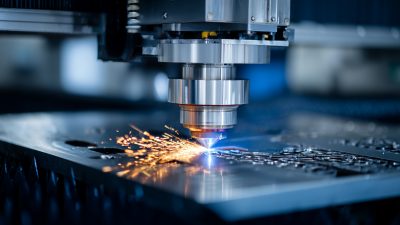
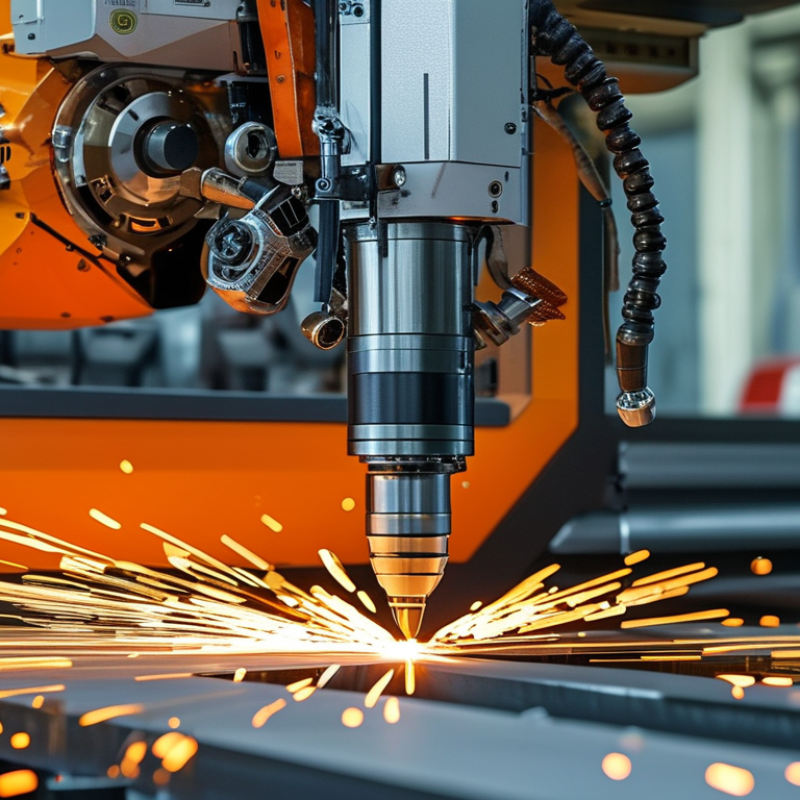
CNC laser cutting technology has transformed industrial applications significantly. This technology utilizes focused laser beams to precisely cut various materials. The result is high accuracy and intricate designs. Many industries benefit from this, including automotive, aerospace, and metal fabrication.
The effectiveness of CNC laser cutting lies in its speed and flexibility. Machines can adjust to different materials and thicknesses swiftly. For example, switching between metals and plastics only requires minor adjustments. However, some challenges persist. Operators must be highly trained to avoid errors. Misalignments can lead to material wastage and increased costs.
Moreover, ongoing maintenance is crucial to keep machines running efficiently. Regular checks on laser alignment and power settings can prevent issues. Operators are often tasked with troubleshooting problems, which requires deep understanding and experience. Despite these challenges, CNC laser cutting machines remain a key asset in modern manufacturing. This technology continues to evolve, demanding a workforce that adapts to rapid changes in machinery and techniques.
Key Features to Consider When Selecting CNC Laser Cutting Machines
When selecting CNC laser cutting machines, precision is vital. Look for machines that offer high cutting accuracy and repeatability. This ensures that every piece produced meets strict specifications. Additionally, consider the machine's maximum cutting speed. A faster machine can enhance productivity without compromising quality.
Another important feature is the type of laser used. CO2 lasers are great for organic materials, while fiber lasers excel with metals. Understanding the material you will cut is key for optimal performance. Pay attention to the thickness range a machine can handle. Some machines may be limited, which could affect your project’s versatility.
Software compatibility is also crucial. A user-friendly interface simplifies operation and can reduce training time. In some cases, unnecessary complexity can lead to operator errors. Longevity and service support should not be overlooked. Reliable machines can save costs in the long run. Evaluate whether the manufacturer offers comprehensive support and maintenance options.
Top 10 CNC Laser Cutting Machines in China: A Comprehensive List
In recent years, the demand for CNC laser cutting machines in China has surged. The precision, speed, and efficiency offered by these machines have made them essential in various industries. A market report from Statista indicates that the CNC machine tool market in China is projected to exceed $17 billion by 2025. This statistic reflects a growing reliance on CNC technology among manufacturers.
Key features of CNC laser cutting machines include high cutting speeds and the ability to process various materials. They can accurately cut metals, plastics, and wood, which broadens their application range. The latest models include advanced features such as adaptive control systems that enhance cutting quality. However, some users have reported challenges with the calibration processes.
The integration of automation in CNC laser cutting machines poses both opportunities and hurdles. While automation increases production efficiency, it also requires skilled operators. Industry insights suggest that about 30% of companies struggle to find adequately trained personnel. This gap highlights a need for ongoing training in CNC operations. As the landscape evolves, operators must adapt to new technologies and methodologies.
Top 10 Industrial CNC Laser Cutting Machines in China
This chart displays various specifications of top industrial CNC laser cutting machines in China, including power, speed, accuracy, weight, and operating area. The values represent common metrics observed in the industry.
Comparison of Performance and Efficiency Among the Top CNC Models
China's CNC laser cutting industry is vast and competitive. Recent data indicates that high-quality machines operate at speeds exceeding 20 meters per minute. This efficiency translates into substantial savings on time and labor. Many top models are designed for metals like steel, aluminum, and brass, effectively cutting thicknesses up to 25 mm.
However, not all models perform equally. Some machines struggle with maintaining precision at high speeds. As noted in industry reports, inconsistency in beam quality can lead to rough edges and wasted materials. The energy consumption of these machines varies significantly. Some newer models are engineered to be energy efficient, promising reduced operational costs without sacrificing performance.
Additionally, the software controlling these machines plays a critical role in operational efficiency. Advanced algorithms can optimize cutting paths, reducing waste. Yet not all machines integrate modern software solutions, leading to slower workflows. As more manufacturers adopt new technologies, the gap in performance and efficiency may narrow, but challenges remain.
Future Trends in CNC Laser Cutting Technology and Market Outlook
CNC laser cutting technology is continuously evolving, shaping the future of industrial manufacturing. Recent reports indicate that the global CNC laser cutting market is expected to reach $5.9 billion by 2026, growing at a compound annual growth rate (CAGR) of 7.5%. This growth hinges on advancements in precision, speed, and versatility of laser cutting machines. Efficient cutting of materials like metals, plastics, and ceramics remains crucial for manufacturers seeking to optimize production.
The integration of AI and IoT in CNC laser systems is a notable trend. These technologies enhance automation and predictive maintenance, minimizing downtime. However, the adoption rate varies, and some industries are lagging, reflecting a need for workforce training and adaptability. The shift towards green manufacturing also emphasizes energy-efficient lasers and reduced waste, indicating an environmental responsibility that manufacturers must embrace if they are to remain competitive.
While the future is promising, challenges remain. Many manufacturers are still skeptical about the return on investment in advanced laser technology. This skepticism stems from initial costs and potential operational disruptions during the transition. The industry must address these concerns to fully harness the potential of CNC laser cutting.