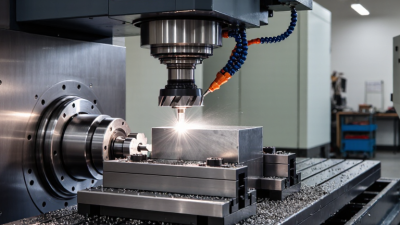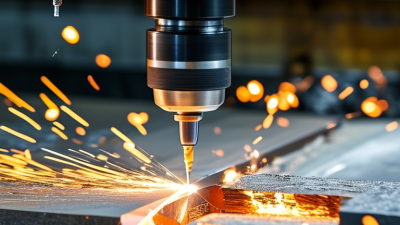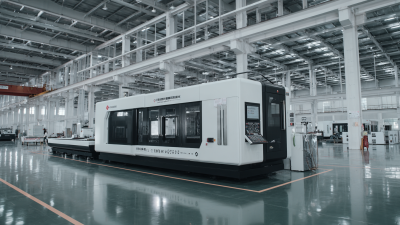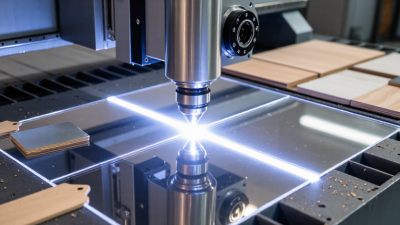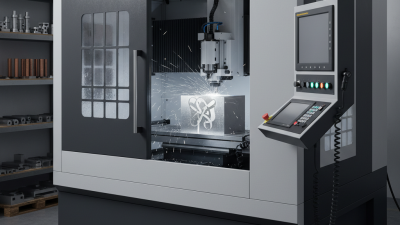


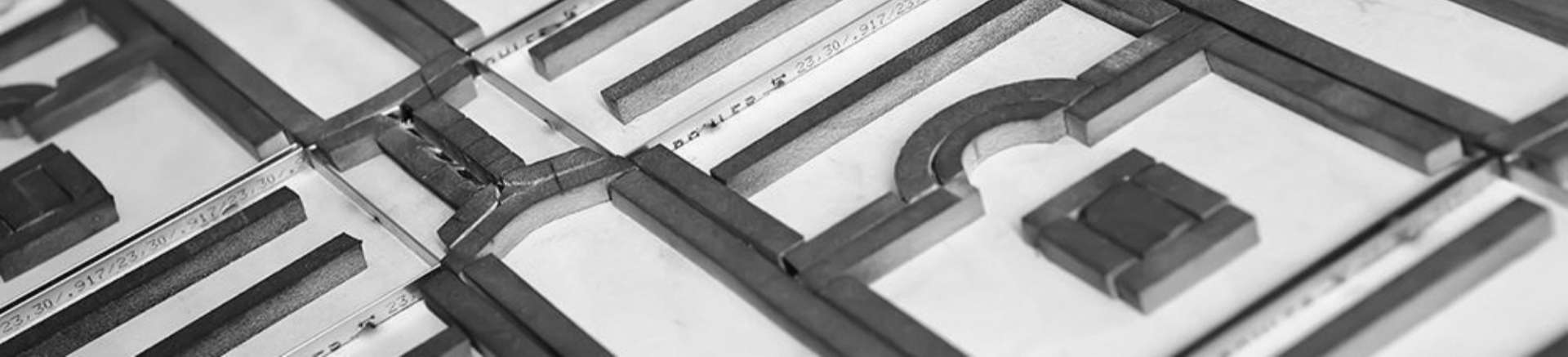
China has become a major force in the global metal cutting CNC machine industry. Its factories now supply turning centers, machining centers, grinders, and laser systems. These machines cut steel blocks, aluminum housings, and titanium parts with increasingly tight tolerances.
Market data explains the attention. Grand View Research valued the global CNC machine market at approximately USD 83.2 billion in 2022. It projects growth to about USD 128.9 billion by 2030. Fortune Business Insights also identifies automation, aerospace production, and electric vehicles as important demand drivers. However, these reports measure different product categories. Their figures should not be compared mechanically. That matters.
The supplier question is more complex than price. A reliable comparison must examine spindle speed, axis accuracy, controller stability, service response, and replacement-part availability. A workshop manager may notice the difference beside a machine at 6:30 a.m., when an alarm stops production and technical support is unavailable. Peter Zelinski, editor-in-chief of Modern Machine Shop, has described the machine tool as “the foundation of manufacturing.” That foundation must remain stable.
This guide reviews China’s leading suppliers through practical and technical criteria. It considers export experience, factory capability, certifications, software integration, and user feedback. Some rankings may remain debatable. Brand visibility does not always equal machining performance. A lower-priced metal cutting CNC machine can reduce investment costs, yet weak calibration or delayed service may create expensive downtime. The strongest supplier is therefore not simply the cheapest. It is the one that fits the material, tolerance, production volume, and long-term maintenance reality.
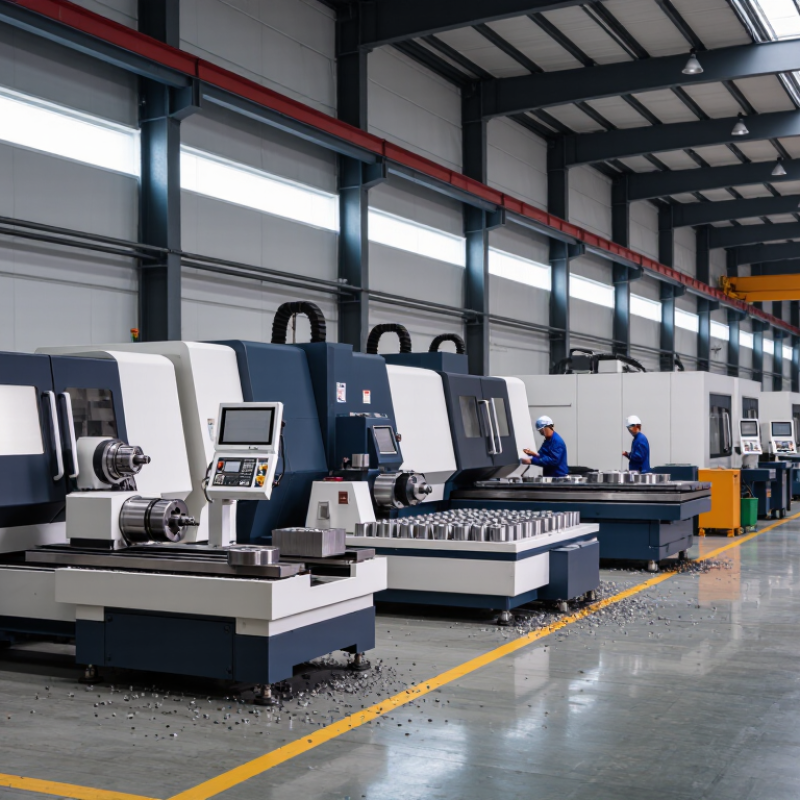
A metal cutting CNC machine is a computer-controlled system that removes material from metal stock. It uses programmed movements to guide tools such as end mills, drills, turning inserts, or abrasive cutters. The workpiece may be steel, aluminum, copper, or titanium. Cutting happens along several controlled axes. The machine reads digital code, positions the tool, and repeats each pass with consistent speed and depth.
The process is more than automated cutting. Operators must select suitable tooling, spindle speed, feed rate, coolant flow, and workholding pressure. Poor settings can leave burrs, heat marks, or inaccurate holes. According to the International Federation of Robotics’ World Robotics 2024 report, 541,302 industrial robots were installed globally in 2023. This growth shows how manufacturers are linking CNC equipment with broader automated production cells. However, robots do not replace process knowledge. A supplier should provide cutting trials, accuracy records, maintenance guidance, and operator training.
Specifications need careful reading. A larger work envelope does not guarantee better performance. Buyers should check positioning accuracy under ISO 230-2, spindle power, thermal stability, tool-change time, and service response. Grand View Research estimates that the global CNC machine market reached about USD 83.99 billion in 2023, reflecting strong industrial demand. Yet market size alone cannot identify a dependable supplier. A realistic test cut matters more. I would also question impressive brochures. Some figures describe ideal conditions, not daily factory results. The most useful supplier comparison combines measured samples, transparent data, spare-parts access, and evidence from similar metal-cutting applications.
| CNC Machine Type | Primary Cutting Method | Common Metal Materials | Typical Material Thickness | Typical Accuracy Range* | Main Advantages | Typical Applications |
|---|---|---|---|---|---|---|
| CNC Fiber Laser Cutter | Focused laser beam melts or vaporizes the material with assist gas. | Carbon steel, stainless steel, aluminum, brass, copper. | Thin sheet to medium plate; capacity depends on laser power and material. | Approximately ±0.05–±0.20 mm under suitable operating conditions. | High speed, narrow kerf, low mechanical force, and strong performance on detailed profiles. | Sheet-metal fabrication, electrical cabinets, automotive parts, and precision components. |
| CNC Plasma Cutter | An ionized gas plasma arc melts metal while high-speed gas removes molten material. | Carbon steel, stainless steel, and aluminum. | Medium to thick plate, depending on plasma power and torch configuration. | Approximately ±0.15–±0.50 mm for many production setups. | Lower operating cost than many high-power laser systems and effective for thicker steel. | Structural steel, machinery frames, agricultural equipment, and general fabrication. |
| CNC Waterjet Cutter | High-pressure water, often mixed with abrasive garnet, erodes the material. | Steel, aluminum, copper, titanium, stone, glass, and composites. | Thin sheet to very thick plate, subject to pump power and cutting speed. | Approximately ±0.08–±0.25 mm for common precision cutting conditions. | No heat-affected zone, minimal thermal distortion, and broad material compatibility. | Aerospace parts, thick metal components, heat-sensitive materials, and mixed-material work. |
| CNC Oxy-Fuel Cutter | A fuel-gas flame preheats steel and oxygen oxidizes and removes the cut zone. | Primarily mild and low-alloy carbon steel. | Medium to very thick carbon-steel plate. | Approximately ±0.50–±1.50 mm, depending on plate thickness and setup. | Suitable for heavy plate and generally economical for large, thick steel parts. | Heavy equipment, bridges, shipbuilding, pressure vessels, and structural fabrication. |
| CNC Milling Machine | Rotating cutting tools remove material from a fixed or fixtured workpiece. | Steel, stainless steel, aluminum, brass, bronze, and titanium. | Solid blocks, plates, and castings; thickness is limited by machine travel and tooling. | Approximately ±0.01–±0.05 mm for many properly maintained machines. | Creates pockets, slots, contours, holes, and complex three-dimensional surfaces. | Molds, dies, tooling, machine components, and precision mechanical parts. |
| CNC Turning Center | A stationary cutting tool removes material from a rotating workpiece. | Steel, stainless steel, aluminum, brass, bronze, and titanium. | Round bar, tube, and cylindrical stock; dimensions depend on spindle capacity. | Approximately ±0.01–±0.05 mm for many standard precision operations. | Efficient production of cylindrical, tapered, threaded, and bored components. | Shafts, bushings, fittings, pins, couplings, and other rotational components. |
*Accuracy figures are typical indicative ranges rather than guaranteed specifications. Actual results depend on machine construction, material, thickness, tooling, thermal conditions, calibration, programming, and maintenance.