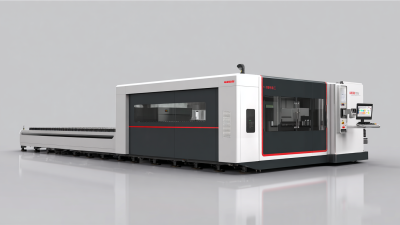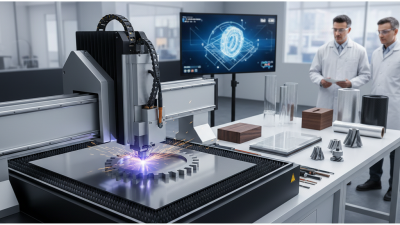


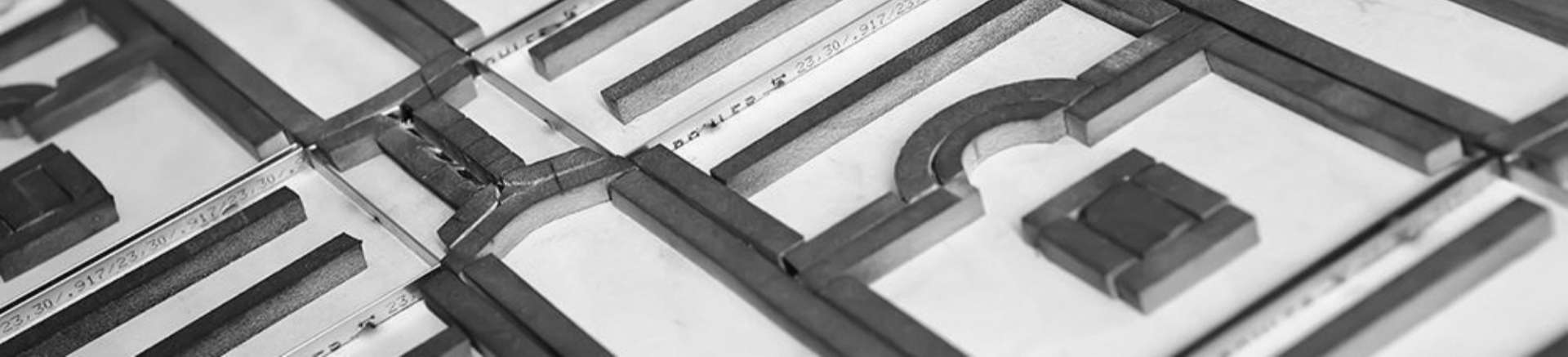
A CNC machine laser cutting machine can turn a digital drawing into a clean metal part in minutes. On the shop floor, that may mean fewer tool changes, narrow kerfs, and less manual trimming. The gains depend on the job, though. Material type, thickness, assist gas, and operator skill all affect the finished edge.
The market is growing. Grand View Research estimated the global laser cutting machine market at about USD 6.2 billion in 2023 and projected a 7.5% compound annual growth rate from 2024 to 2030. That forecast signals investment, not a guaranteed return for every shop. A buyer still needs to compare throughput, energy use, service access, and the cost of consumables against actual order volumes. Small details matter.
Laser processing expert Prof. Reinhart Poprawe, former director of Fraunhofer ILT, has described laser technology as “a key technology of the 21st century.” His point fits modern fabrication, but it should not become a sales promise. A laser cannot fix poor nesting or inconsistent material. Nor is the highest wattage always the best choice. Before investing, examine sample cuts on your own materials, inspect the edge quality, and ask how quickly local technicians can respond. The right machine should make repeatable work easier—not simply look impressive on a specification sheet.
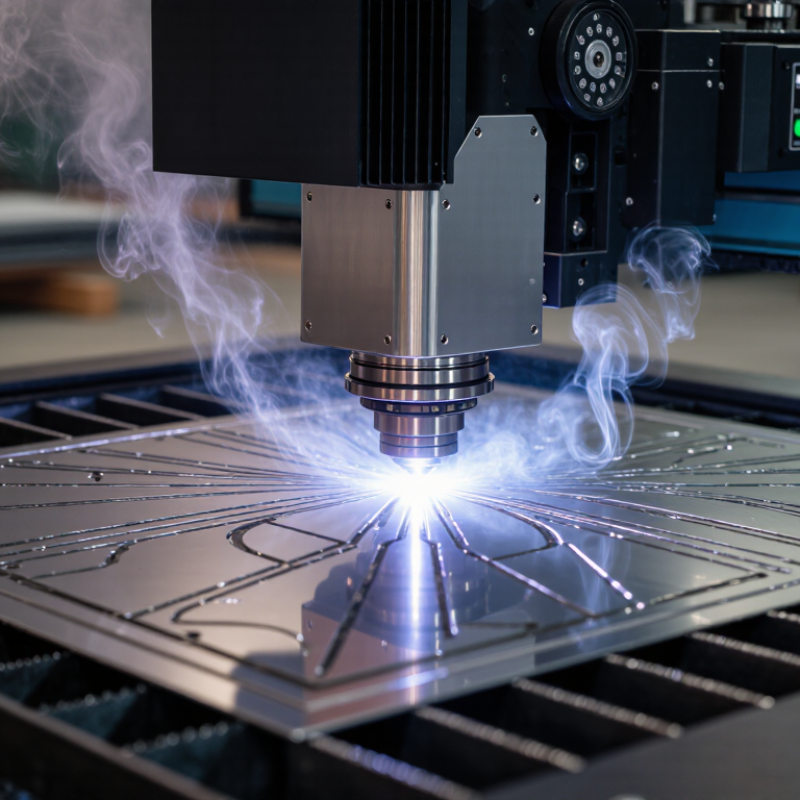
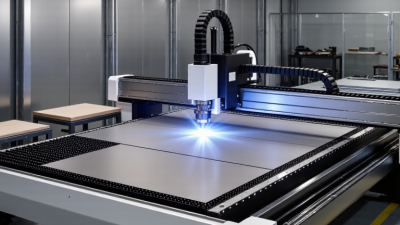
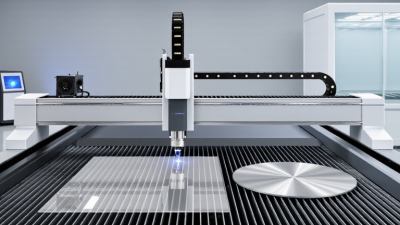
A CNC laser cutting machine combines a laser source, a motion system, and computer control to cut sheet material along programmed paths. CNC means computer numerical control. The operator prepares a drawing, converts it into machine instructions, and sets details such as power, speed, and focus. The controller then guides the cutting head or worktable with precise movements. Small errors matter.
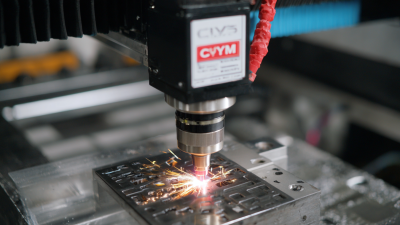
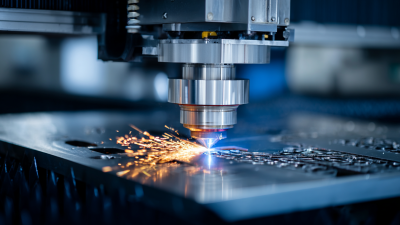
The laser beam is focused into a narrow, intense spot. It heats the material until it melts, vaporizes, or separates; an assist gas helps clear material from the cut. The right settings depend on the material and its thickness. For example, a thin metal sheet may need different power and speed from a thick acrylic panel. A test cut can reveal rough edges or excess heat before a full job begins. That step is easy to skip when production feels rushed.
Operators also check alignment, lens cleanliness, ventilation, and the machine’s protective enclosure. Results are not automatic: worn components, poor focus, or an unsuitable cutting path can affect accuracy. CNC control improves repeatability, but it does not replace careful setup or material-specific knowledge.
| Dimension | How It Works or What It Means | Business-Relevant Data |
|---|---|---|
| CNC control | A computer-controlled system follows programmed tool paths created from a digital design, moving the laser head or workpiece along specified axes. | Common configurations use X and Y motion for cutting paths, with a Z axis used for height adjustment or focus control. |
| Laser cutting process | A focused laser beam heats a small area of material. Depending on the material and process, the cut is formed by melting, vaporizing, or burning material away; assist gas helps clear the cut zone. | Assist gases commonly include oxygen, nitrogen, and compressed air. The appropriate gas depends on the material, cut quality requirements, and machine setup. |
| Fiber laser source | The beam is generated and guided through optical fiber. Fiber systems are widely used for cutting many conductive metals. | Typical emission wavelength is approximately 1.06 micrometres, which is absorbed effectively by many metals. |
| CO₂ laser source | The beam is generated in a gas-filled resonator and delivered to the cutting head through optical components. | Typical emission wavelength is approximately 10.6 micrometres. CO₂ systems are commonly used for non-metal materials such as wood, acrylic, paper, and some plastics. |
| Materials and compatibility | Material choice depends on the laser source, power, thickness, surface condition, and process settings. | Fiber systems are commonly used for carbon steel, stainless steel, and aluminum. CO₂ systems are commonly used for wood, acrylic, textiles, and paper. Some materials, including PVC, can release hazardous gases when laser-cut and should not be processed without verified material safety guidance. |
| Cutting accuracy | Accuracy depends on machine mechanics, calibration, material movement, thermal effects, focus, and the programmed cutting parameters. | There is no single accuracy figure that applies to every machine or job. Businesses should verify tolerances using sample parts and the supplier’s published specifications. |
| Kerf and nesting | Kerf is the width of material removed by the cut. Nesting software arranges parts on a sheet to use material efficiently while accounting for the kerf. | Kerf varies with the material, thickness, laser source, focus, and settings. A test cut is commonly used to establish the correct compensation value. |
| Production flexibility | Changing a job often involves loading a new design and adjusting the program, rather than making a dedicated physical cutting die. | This can suit prototypes, custom parts, short runs, and frequent design changes; setup time and programming quality still affect overall productivity. |
| Operating costs | Costs include electricity, assist gas, consumables, maintenance, labor, and material use. | Actual cost per part varies by machine power, cutting time, material, gas choice, utilization, and local energy prices. A production-cost estimate should use measured job data. |
| Safety and facility needs | Laser systems require suitable guarding, operator training, extraction or filtration, and controls for fire and process hazards. | Enclosed machines should use interlocks and protective features appropriate to the laser classification. Fume extraction and material-specific risk checks are important parts of safe operation. |